
Moroccan cuisine is not merely a collection of recipes; it is a sensory tapestry woven from centuries of history, a vibrant expression of hospitality, and a profound reflection of the country’s diverse cultural landscape. the global appreciation for traditional Moroccan Dishes has reached an all-time high, with travelers and food enthusiasts alike seeking the authentic flavors that define the Maghreb. This ultimate guide is designed to be the definitive resource for anyone looking to explore the depths of Moroccan culinary traditions, from the iconic tagines of Marrakech to the hidden street food gems of Fes.
Quick Takeaways: Moroccan Dishes
- National Dish: Couscous (traditionally served on Fridays).
- Must-Try: Tagine (slow-cooked stew), Pastilla (savory-sweet pie), and Harira (hearty soup).
- 2026 Pricing: Street food meals cost 30-60 MAD ($3-6 USD); Riad dinners range from 250-500 MAD ($25-50 USD).
- Etiquette: Eat with your right hand; bread is your primary utensil.
- Dietary: Morocco is exceptionally vegetarian-friendly, though “vegan” requires specific clarification (avoid smen).
Table of Contents
- The History and Soul of Moroccan Dishes
- Cultural Influences: Arab, Amazigh, Andalusian, and African
- The 30 Most Famous Moroccan Dishes to Try
- Regional Specialties: A City-by-City Guide
- The Ultimate Moroccan Street Food Guide (2026)
- Moroccan Desserts and Breads
- The Moroccan Spices Guide: The Secret of the Souk
- Vegetarian, Vegan, and Halal Considerations
- Local Etiquette and Dining Customs
- Practical Travel Info: Prices, Safety, and Scams
- Frequently Asked Questions (FAQ)
The History and Soul of Moroccan Dishes
The story of Moroccan food is the story of Morocco itself. For millennia, this land has been a crossroads of civilizations, each leaving an indelible mark on the kitchen. The indigenous Amazigh (Berber) people provided the foundation with staples like couscous and the slow-cooking method of the tagine. The Arab expansion in the 7th century introduced exotic spices from the East—saffron, ginger, and cinnamon—along with the concept of sweet and savory pairings.
Cultural Influences: Arab, Amazigh, Andalusian, and African
Moroccan cuisine is a “fusion” long before the term became a culinary trend. The Amazigh influence is seen in the rustic, hearty nature of the food. The Arab influence brought the refinement of the imperial courts. The Andalusian refugees fleeing the Reconquista introduced olives, citrus, and sophisticated pastry techniques. Finally, the African influence from the south added depth with ingredients like peanuts and specific spice blends found in the Sahara regions.
The 30 Most Famous Moroccan Dishes to Try
1. Couscous: The National Pride
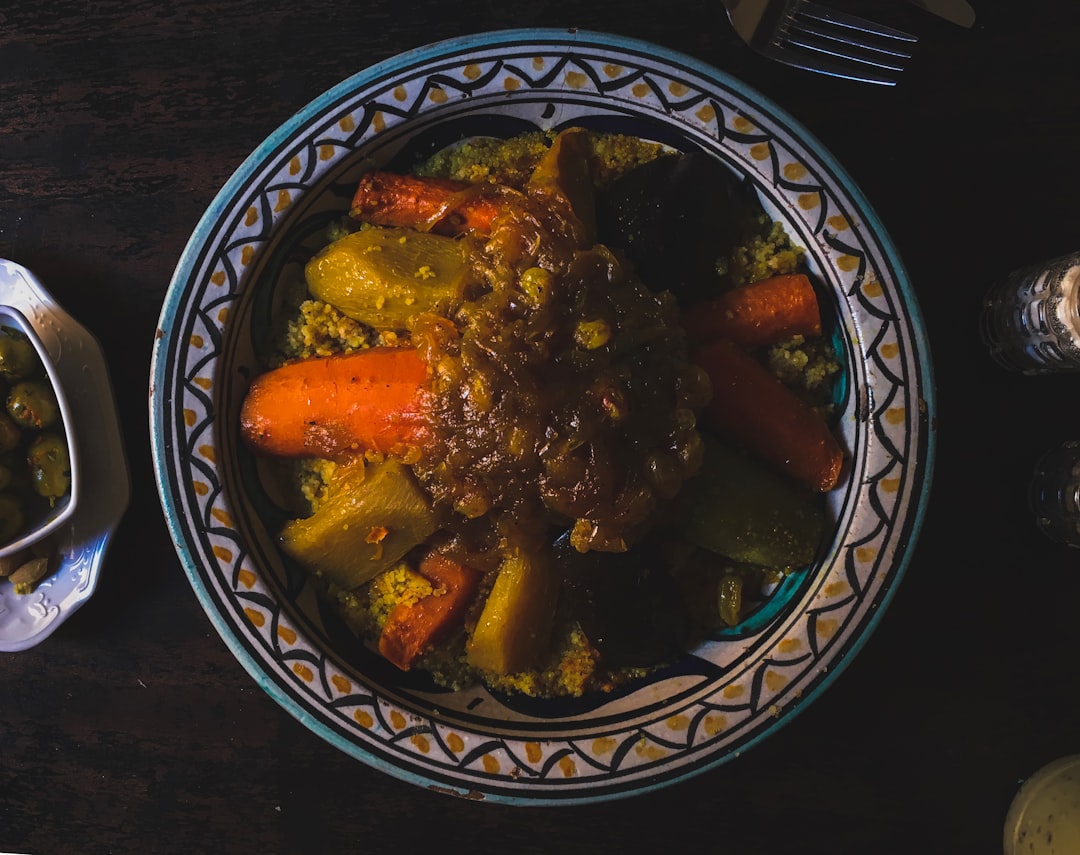
Couscous is more than a dish; it is a Friday ritual. Traditionally steamed over a simmering pot of meat and vegetables, the semolina grains become light and fluffy. The most common version is “Couscous aux Sept Légumes” (Couscous with Seven Vegetables), symbolizing abundance. In 2026, you’ll find modern variations in Casablanca, but the traditional Friday meal remains the gold standard.

2. Tagine: The Slow-Cooked Masterpiece
Named after the conical clay pot in which it is cooked, a tagine is a slow-cooked stew. Whether it’s Lamb with Prunes and Almonds or Chicken with Preserved Lemons and Olives, the tagine method ensures the meat is fall-off-the-bone tender while the flavors meld into a rich sauce. Local Tip: The best tagines are found in roadside stops (relais) where they are cooked over charcoal (majmar).
3. Pastilla (B’stilla): The Sweet and Savory Pie
A true feat of culinary engineering, Pastilla consists of layers of paper-thin warqa pastry filled with a savory mixture of pigeon (or chicken), eggs, and toasted almonds, seasoned with saffron and cinnamon, and dusted with powdered sugar. It is the ultimate wedding and celebration dish.
4. Harira: The Heartbeat of Ramadan Moroccan Dishes
This tomato-based soup with lentils, chickpeas, and often a bit of meat is the traditional way to break the fast-during Ramadan. It is hearty, zesty, and deeply comforting. In 2026, it remains a staple street food in every medina, usually served with dates and chebakia.
5. Rfissa: The Celebration Dish
Often served to celebrate a birth, Rfissa is made of shredded msemmen (pancakes) topped with chicken and a lentil sauce heavily seasoned with fenugreek and Ras el Hanout. It is a powerhouse of flavor and nutrition.
6. Mechoui: The Pit-Roasted Lamb
Whole lamb slow-roasted in a traditional underground pit until the skin is crispy and the meat is incredibly succulent. In Marrakech, head to “Mechoui Alley” near Jemaa el-Fnaa for the most authentic experience.
7. Tanjia: The Bachelor’s Stew Moroccan Dishes
A specialty of Marrakech, Tanjia is meat (usually beef or lamb) slow-cooked in an urn-shaped clay pot in the embers of the local hammam’s furnace. It is simple, meaty, and intensely flavorful. Traditionally, it was prepared by men for their social gatherings.
8. Zaalouk: The Eggplant Caviar
A cooked salad made of eggplants, tomatoes, garlic, and spices. It is a staple side dish, often eaten with fresh bread. It’s a perfect example of how Moroccan cuisine elevates simple vegetables.
9. Bissara: The Fava Bean Comfort
A thick, creamy soup made from dried fava beans, served with a generous drizzle of olive oil and a sprinkle of cumin and chili. It is the breakfast of champions in the Rif mountains and Fes.
10. Khlii: Moroccan Jerky
Preserved meat (usually beef) that has been dried and then cooked in fat. It is a traditional breakfast item, often scrambled with eggs (Khlii ma el-Beid). It has a unique, pungent flavor that is an acquired taste for some but beloved by locals.
11. Maakouda: The Potato Fritter
Small, deep-fried potato cakes that are a popular street food snack, often served in a sandwich with spicy harissa, lettuce, and tomato. Cheap, filling, and delicious.
12. Msemen: The Square Pancake
A flaky, layered flatbread that is a breakfast and tea-time favorite. It can be eaten plain, with honey and butter, or stuffed with savory fillings like spiced onions and fat (Msemen Mouammar).
13. Baghrir: The Thousand-Hole Pancake
Light and spongy semolina pancakes characterized by the tiny holes on their surface, perfect for soaking up honey and butter. They are only cooked on one side.
14. Chebakia: The Sesame Cookie
A flower-shaped cookie that is deep-fried, coated in honey, and sprinkled with sesame seeds. It is an essential accompaniment to Harira, providing a sweet contrast to the savory soup.
15. Moroccan Mint Tea: The “Berber Whiskey”
The symbol of Moroccan hospitality. Green tea is steeped with fresh mint and a generous amount of sugar, poured from a height to create a frothy head. In 2026, look for “Tea Sommeliers” in high-end riads offering regional mint varieties.
16. Briouats: The Crispy Triangles
Triangular or cylindrical pastries filled with meat (chicken or lamb) or cheese, then fried or baked. There are also sweet versions filled with almond paste.
17. Kefta: Spiced Ground Meat
Ground beef or lamb mixed with garlic, fresh coriander, parsley, and spices like cumin and paprika. Usually grilled as skewers or cooked in a tagine with eggs and tomato sauce.
18. Grilled Sardines: The Coastal Staple
Morocco is the world’s largest exporter of sardines. In coastal cities like Essaouira and Safi, fresh sardines are stuffed with chermoula (a spicy herb marinade) and grilled over charcoal.
19. Medfouna: The Berber Pizza
A specialty of the Rissani and Merzouga regions in the Sahara. It’s a stuffed bread filled with meat, fat, herbs, and sometimes hard-boiled eggs, baked in a traditional oven.
20. Loubia: White Bean Stew
A simple, hearty stew of white beans cooked in a tomato and garlic sauce with Moroccan spices. It’s a common lunch for workers and a staple in local eateries.
21. Taktouka: Pepper and Tomato Salad
A cooked salad made from roasted green peppers, tomatoes, garlic, and olive oil. It’s zesty and refreshing, often served alongside grilled meats.
22. Sfenj: The Moroccan Donut
Deep-fried dough rings, crispy on the outside and fluffy on the inside. Best eaten hot from the street vendor, often threaded onto a piece of palm frond.
23. Kalinte: The Chickpea Cake
A specialty of Tangier and northern Morocco. It’s a flan-like cake made from chickpea flour and eggs, sprinkled with cumin and salt. A must-try street snack.
24. Brochettes: Moroccan Skewers
Skewers of lamb, beef, or chicken liver, seasoned with salt and cumin and grilled over hot coals. The smell of brochettes is the signature scent of a Moroccan medina at night.
25. Babbouche: Snail Soup
A peppery, herbal broth filled with land snails. It’s believed to have medicinal properties and is a popular winter street food in Marrakech and Casablanca.
26. Khobz: The Daily Bread
The round, crusty bread that accompanies every meal. In many neighborhoods, families still take their dough to the communal oven (ferran) to be baked.
27. Amlou: The Moroccan Nutella
A thick, delicious dip made from toasted almonds, argan oil, and honey. It’s a specialty of the Souss region and is incredibly addictive.
28. Ghoriba: The Moroccan Macaroon
Shortbread-like cookies that come in many varieties—almond, coconut, or semolina. They are characterized by their cracked surface.
29. Cornes de Gazelle: Gazelle Horns
Crescent-shaped pastries filled with almond paste scented with orange blossom water. They are the most prestigious of Moroccan sweets.
30. Sellou: The Energy Paste
A unique unbaked sweet made from toasted flour, ground almonds, sesame seeds, honey, and spices. It’s traditionally served during Ramadan and for special occasions like births.
Regional Specialties: A City-by-City Guide
Morocco’s geography dictates its flavors. In Marrakech, the Tanjia reigns supreme. In Fes, the cuisine is refined and aristocratic, famous for its Pastilla and complex spice blends. Essaouira and Agadir offer the freshest Atlantic seafood, while the Sahara regions are known for “Medfouna” (Berber Pizza). In the North (Tangier/Tetouan), you’ll find Spanish influences in dishes like Paella and Tortilla, but with a Moroccan twist.
The Ultimate Moroccan Street Food Guide (2026)
Street food is the soul of the Moroccan Medina. In 2026, the scene has evolved with more “gourmet” street food stalls, but the classics remain. Safety Tip: Always look for stalls with a high turnover of local customers. If the locals are eating there, the food is fresh.

Moroccan Desserts and Breads
Bread (Khobz) is sacred in Morocco. It is used as a utensil to scoop up tagines and salads. Moroccan desserts often feature almonds, honey, and orange blossom water. In 2026, “Modern Moroccan Pastry” shops are popping up in Casablanca and Marrakech, blending French techniques with traditional flavors.
The Moroccan Spices Guide: The Secret of the Souk
The secret to Moroccan food lies in the spice blend. Ras el Hanout, meaning “head of the shop,” is a complex mix of up to 30 different spices. Other essentials include Cumin, Ginger, Turmeric, and the precious Saffron from Taliouine. Buying Tip: Never buy pre-ground spices in the tourist areas; ask for them to be ground in front of you or buy whole seeds.
Vegetarian, Vegan, and Halal Considerations
Morocco is a paradise for vegetarians, with an endless array of cooked salads and vegetable-based tagines. All meat served in Morocco is Halal. For Vegans, the challenge is smen (fermented butter) and honey. Always specify “no butter” (bla zibda) and “no meat” (bla lhem).
Local Etiquette and Dining Customs
When eating traditionally, use your right hand only. Bread is used to scoop the food. It is customary to wash your hands before and after the meal, often with a portable basin (tas) brought to the table. If you are invited to a Moroccan home, it is polite to leave a little food on the plate to show you are full.
Practical Travel Info: Prices, Safety, and Scams
Prices in 2026: A meal at a local cafe can cost as little as 30-60 MAD ($3-6), while a high-end riad dinner may be 300-600 MAD ($30-60). Safety: Stick to bottled water. Common Scam: Avoid “free” food tours offered by strangers in the street; they usually lead to overpriced restaurants where the guide gets a commission.
Frequently Asked Questions (FAQ)
1. Is Moroccan food spicy? It is flavorful and aromatic but rarely “hot” spicy. Harissa is served on the side for those who want heat.
2. Can I drink the tap water? It is recommended to stick to bottled water to avoid “Delhi Belly” (or “Marrakech Belly”).
3. What is the best time for foodies to visit? Spring (April-May) and Autumn (September-October) offer the best seasonal produce and pleasant weather for outdoor dining.
4. Is tipping expected? Yes, 10% is standard in restaurants. In small cafes, leaving a few dirhams is appreciated.
5. Can I find alcohol in Morocco? Yes, in licensed hotels, restaurants, and bars, though it is not served in traditional local eateries.
6. What is the national drink? Mint tea, often called “Berber Whiskey.”
7. Is street food safe? Generally yes, if you follow the “busy stall” rule.
8. How do I ask for the bill? “L’addition, s’il vous plaît” or “La-hsab, afak.”
9. Are there cooking classes? Yes, Marrakech and Fes are famous for half-day cooking workshops in riads.
10. What is the most expensive spice? Saffron, specifically from the Taliouine region.
11. Can I eat with my left hand? No, the left hand is considered unclean in Moroccan culture.
12. What is ‘Smen’? It is a fermented, salted butter with a very strong, cheese-like flavor.
13. Is breakfast included in Riads? Almost always, and it’s usually a feast of breads, jams, and eggs.
14. What is ‘Ras el Hanout’? A complex spice blend that varies by shop, often containing over 20 spices.
15. Can I find gluten-free options? It’s challenging as bread is a staple, but tagines (without bread) and salads are naturally gluten-free.
16. What is the best street food in Fes? The camel meat burger or the spiced sardine sandwich.
17. How do I know if a restaurant is good? Look for a “Label de Qualité” or simply check if it’s packed with locals.
18. Is food expensive in Morocco? Compared to Europe or the US, it is very affordable.
19. What is ‘Harissa’? A hot chili pepper paste with garlic, olive oil, and spices.
20. What should I bring back as a food souvenir? Argan oil, Saffron, and Ras el Hanout.
Conclusion
Traditional Moroccan food is an invitation to slow down and savor the moment. Whether you are sharing a communal plate of couscous or sipping tea overlooking the Atlas Mountains, the flavors of Morocco will stay with you long after your journey ends. For more travel inspiration, explore our Best Places to Visit in Morocco and our Marrakech Travel Guide.