
Marrakech is a city that demands your full attention. Known as the “Red City” for the distinctive ochre hue of its ramparts and buildings, it is a place where ancient traditions collide with modern luxury. Marrakech offers a sensory experience unlike any other—a labyrinth of spice-scented souks, hidden palace gardens, and a culinary scene that is gaining global acclaim. Marrakech Travel Guide: This guide is your definitive resource for navigating Marrakech with the expertise of a local and the curiosity of a first-time explorer.
Table of Contents Marrakech Travel
- Orientation: Medina vs. Guéliz
- The Essential Marrakech Checklist
- Hidden Gems: Beyond the Tourist Trail
- Where to Eat: From Street Food to Fine Dining
- The Art of the Souk: A Shopping Strategy
- Practical Planning & 2026 Travel Tips
- Frequently Asked Questions
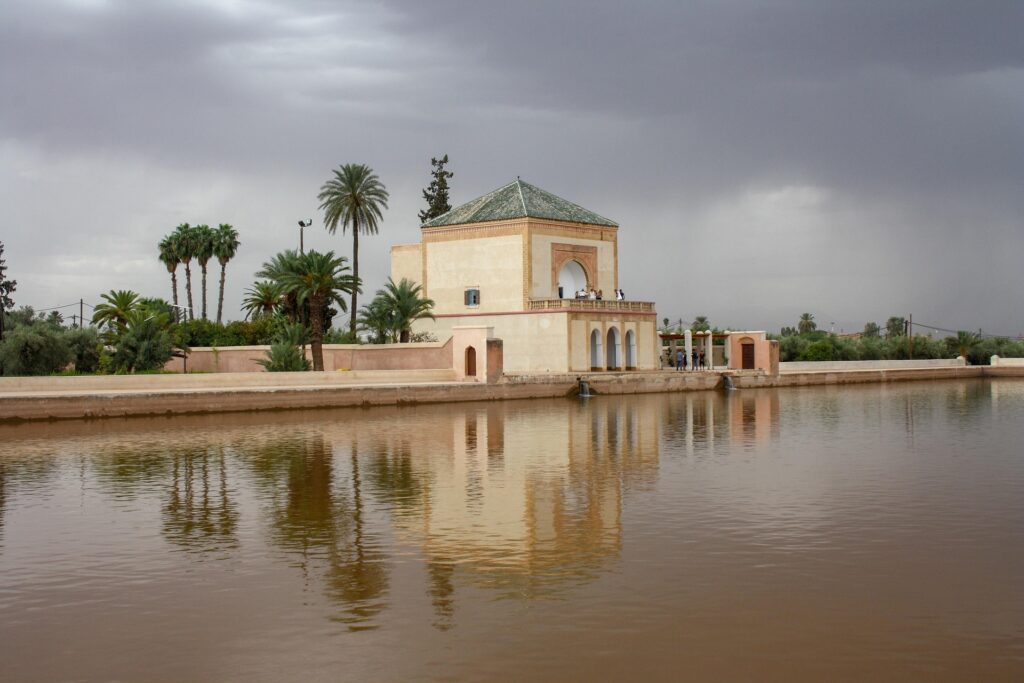
Marrakech Travel Guide: Gueliz
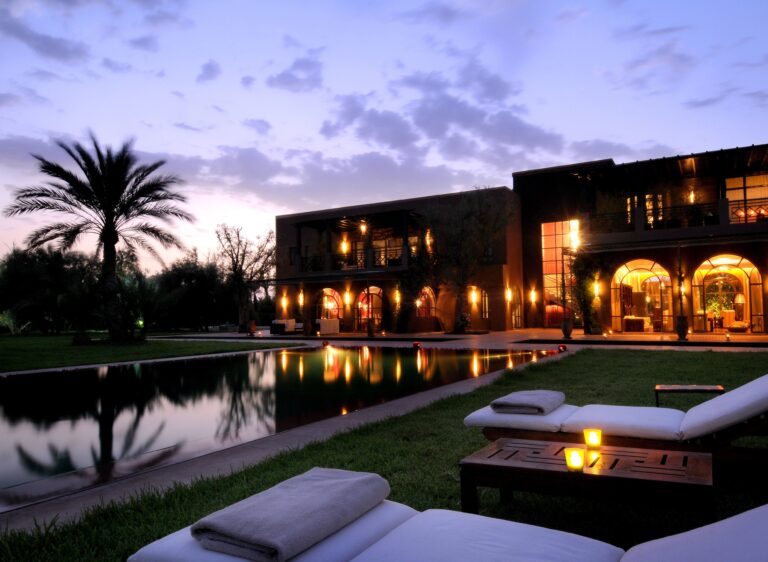
To understand Marrakech, you must understand its two halves. The Medina is the historic heart, a UNESCO World Heritage site enclosed by 12th-century walls. It is dense, chaotic, and entirely pedestrian in its narrowest parts. This is where you’ll find the traditional Riads and the famous souks.
In contrast, Guéliz (the “New City”) was developed during the French Protectorate. It features wide boulevards, high-end boutiques, art galleries, and trendy cocktail bars. For the best experience, we recommend staying in the Medina for the atmosphere but spending your evenings in Guéliz to enjoy the city’s modern nightlife.
The Essential Marrakech Checklist
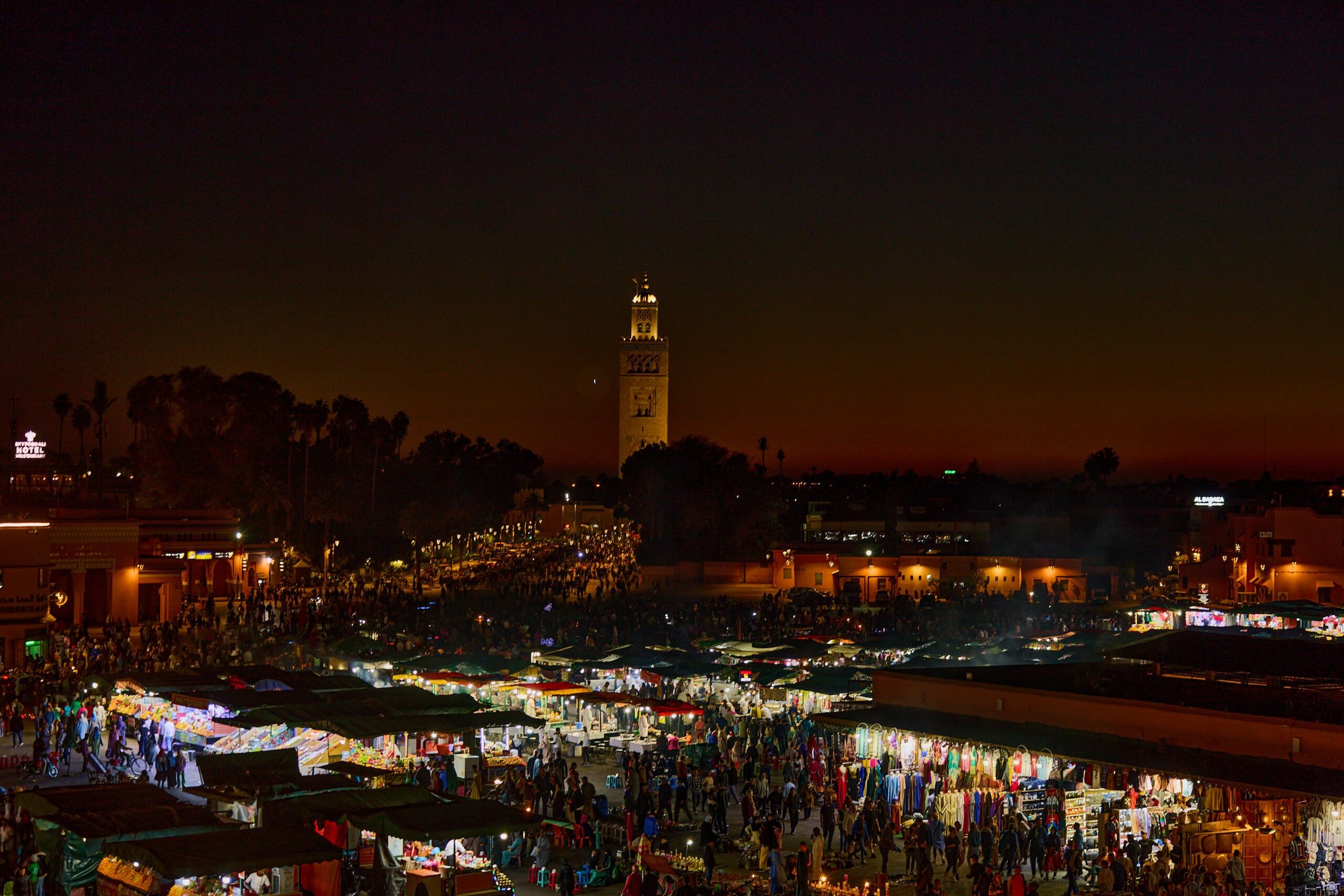
Jemaa el-Fnaa
The central square is the city’s heartbeat. By day, it’s a market; by night, it’s a theatrical spectacle. Insider Tip: Watch the transformation from a rooftop cafe like Le Grand Balcon du Café de la Poste with a mint tea in hand.
Bahia Palace
A 19th-century masterpiece of Moroccan architecture. The intricate zellige tilework and carved cedarwood ceilings are some of the finest in the country. It was built to be the greatest palace of its time, and the craftsmanship still reflects that ambition.
Jardin Majorelle & YSL Museum
Owned by Yves Saint Laurent and Pierre Bergé, this botanical garden is a burst of cobalt blue and exotic plants. It is the most visited site in Marrakech. You must book your time slot online at least 48 hours in advance; walk-ins are no longer permitted.
Hidden Gems: Beyond the Tourist Trail
While the main sites are spectacular, Marrakech rewards those who dig deeper. Visit Le Jardin Secret, a restored palace garden in the heart of the Medina that offers a peaceful escape from the noise. For art lovers, the MACAAL (Museum of African Contemporary Art Al Maaden) showcases incredible talent from across the continent in a stunning modern space.
Where to Eat: From Street Food to Fine Dining
Marrakech is a culinary capital. For an authentic experience, try Tanjia Marrakchia—a slow-cooked lamb dish unique to the city. For fine dining, La Maison Arabe offers a legendary culinary experience, while Plus 61 in Guéliz serves modern Australian-Moroccan fusion that is a favorite among expats.
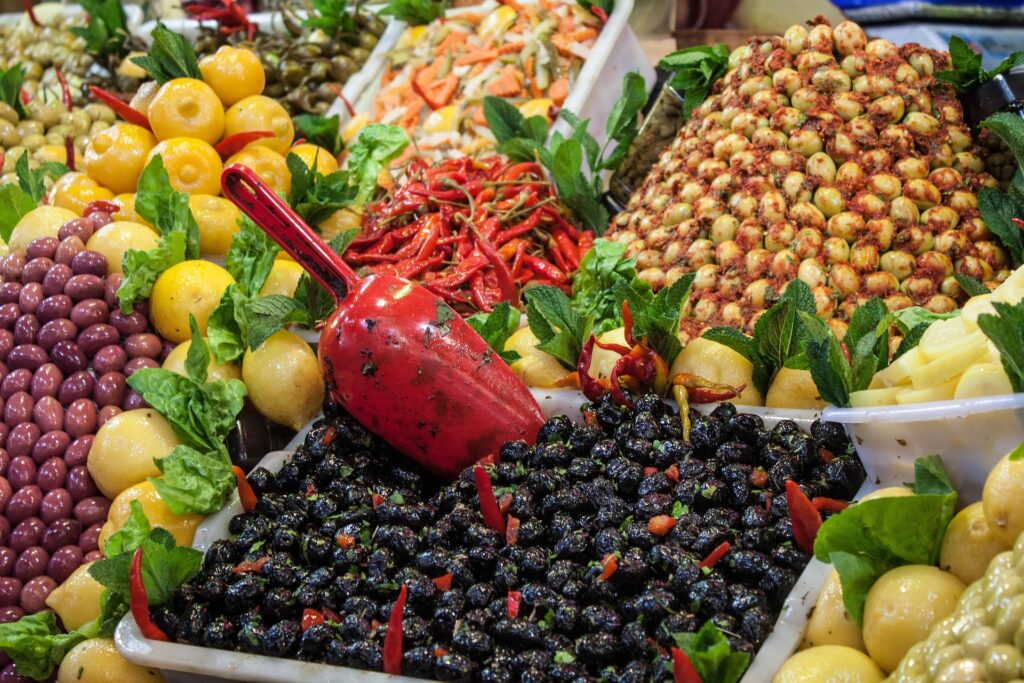
The Art of the Souk: A Shopping Strategy
Shopping in the souks is an Olympic sport. The key is to remain patient and friendly. Never accept the first price; bargaining is expected and is considered a social interaction. Focus on the Souk Semmarine for textiles and the Souk Haddadine for ironwork. If you prefer fixed prices, the Ensemble Artisanal on Avenue Mohammed V offers high-quality goods without the need to haggle.
Practical Planning (Marrakech Travel Guide)
- Best Time to Visit: March to May and September to November. Summer temperatures can exceed 45°C (113°F).
- Transport: Use the “Petit Taxis” (beige cars) for short trips. Ensure the meter is on, or agree on a price before starting. For the airport, use the official taxi rank with fixed prices.
- Etiquette: Marrakech is cosmopolitan, but modesty is still appreciated. Keep shoulders and knees covered when exploring the Medina.
- Safety: Be wary of “faux guides” who offer to show you the way. A polite but firm “Non, merci” is usually enough.
Frequently Asked Questions
1. Is Marrakech safe for solo travelers?
Yes, it is generally safe. However, solo travelers should stay alert in the Medina at night and avoid poorly lit alleys.
2. Can I drink the tap water?
It is treated, but we recommend bottled or filtered water to avoid any stomach upsets.
3. How many days do I need in Marrakech?
Three days is perfect for the main highlights. Add a fourth day for a trip to the Atlas Mountains or Agafay Desert.
4. Do I need to tip?
Yes, tipping is customary. 10% in restaurants and a few dirhams for porters or parking attendants is standard.
5. Is alcohol available?
Yes, in licensed hotels, bars, and restaurants, particularly in Guéliz and Hivernage.
6. What is the currency?
The Moroccan Dirham (MAD). Cash is king in the souks, though cards are widely accepted in hotels and Guéliz shops.
7. Is English widely spoken?
Yes, in tourist areas. However, French and Arabic are the primary languages. A few words of Arabic go a long way!
8. What should I wear?
Light, breathable fabrics. A scarf is handy for women to cover shoulders if needed.
Conclusion
Marrakech is a city that stays with you long after you leave. It is a place of intense beauty, complex history, and unmatched hospitality. By following this guide, you are prepared to navigate the Red City with confidence, ensuring your 2026 journey is as magical as the city itself. Respect the culture, embrace the chaos, and let Marrakech reveal its secrets to you.
Planning a longer trip? See our Ultimate 14-Day Morocco Itinerary for more inspiration.