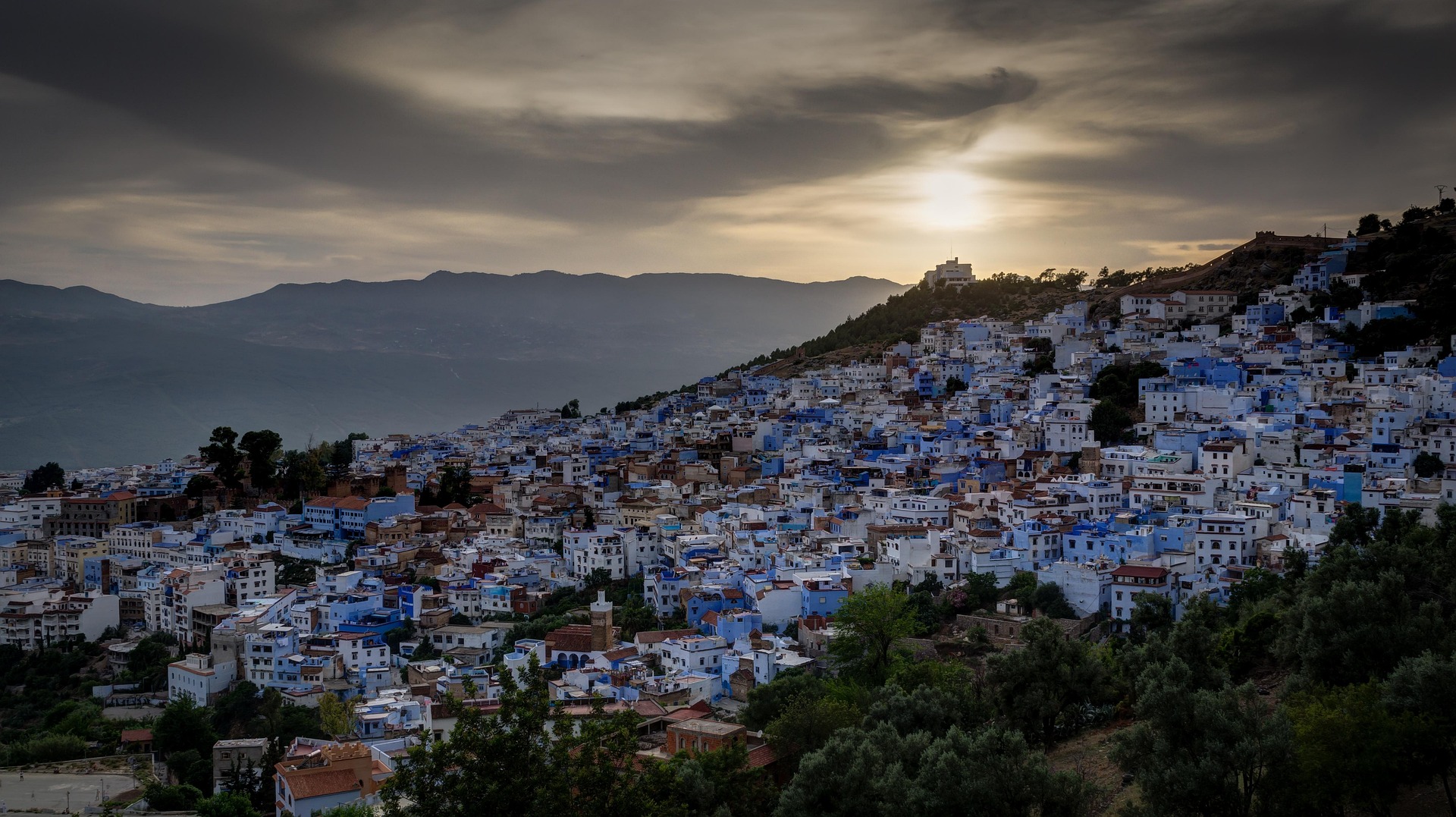
High in the Rif Mountains of northwest Morocco, there is a city that feels less like a geographical location and more like a dreamscape. Chefchaouen, famously known as the “Blue Pearl,” is a place where the sky seems to have spilled onto the earth. Every alley, every doorway, and every staircase in its ancient Medina is washed in varying shades of azure, cerulean, and indigo. But to dismiss Chefchaouen as merely a “photogenic” destination is to miss the soul of the city. Beyond the blue walls lies a rich tapestry of Andalusian history, Amazigh hospitality, and a rugged mountain landscape that offers some of the best hiking in North Africa.
As a travel journalist who has navigated the bustling souks of Marrakech and the intellectual labyrinths of Fes, I find that Chefchaouen offers something those cities cannot: a profound sense of tranquility. It is a city that invites you to slow down, to sip mint tea while watching the clouds roll over the peaks, and to lose yourself in a maze where every turn reveals a new shade of blue. In this definitive guide, we explore the best things to do in Chefchaouen, providing the local insights and practical nuances you need for an unforgettable journey.
Table of Contents
- Orientation: The Blue Pearl of the Rif
- Exploring the Blue Medina: A Sensory Journey
- Iconic Landmarks: Kasbah and Spanish Mosque
- Nature and Adventure: Hiking the Rif Mountains
- Culinary Delights: What to Eat in Chefchaouen
- Shopping: Local Crafts and Textiles
- Hidden Gems: The Chefchaouen Most Travelers Miss
- Practical Planning: Best Time, Costs, and Logistics
- Frequently Asked Questions
Orientation: The Blue Pearl of the Rif
Founded in 1471 as a small fortress to fight the Portuguese invasions of northern Morocco, Chefchaouen has a history as layered as its paint. The city was largely populated by Ghomara tribes, followed by waves of Jewish and Moorish refugees fleeing the Spanish Reconquista. This Andalusian influence is evident in the red-tiled roofs and the layout of the Medina.
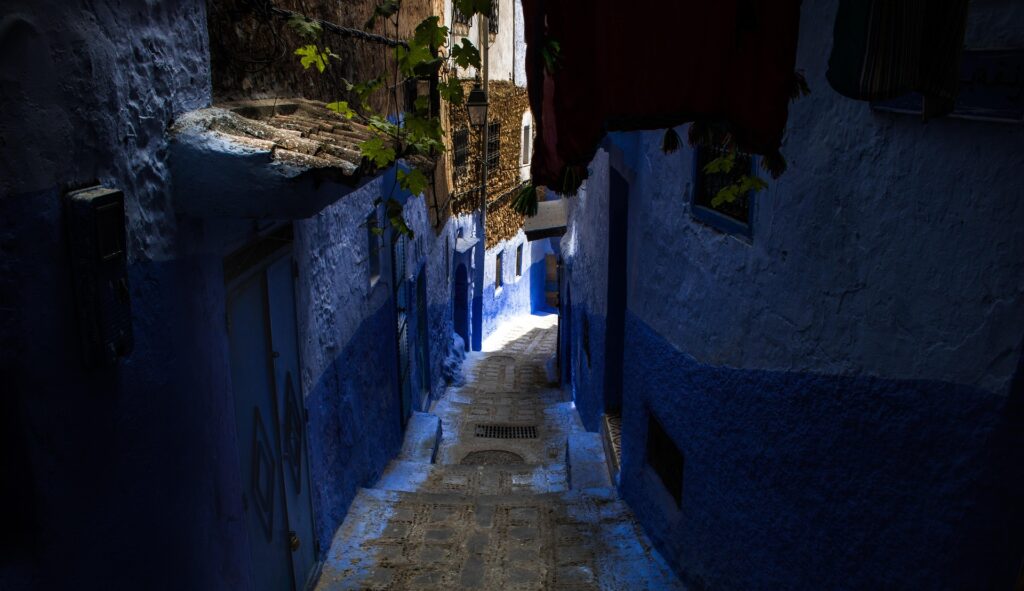
The question everyone asks is: Why is it blue? While theories range from the practical (repelling mosquitoes) to the spiritual (representing the sky and heaven), the most widely accepted reason is that the Jewish community introduced the color in the 1930s as a reminder of God. Today, the tradition is maintained by the locals, who repaint their homes several times a year, ensuring the city remains the “Blue Pearl” we know today.
Exploring the Blue Medina: A Sensory Journey
The Medina of Chefchaouen is the city’s primary attraction. Unlike the overwhelming Medinas of the south, Chefchaouen’s is relatively small and manageable. However, it is no less intricate. The best way to experience it is to start at Plaza Uta el-Hammam, the main square, and simply walk upward.
The Art of Photography
For photographers, Chefchaouen is a paradise. The way the light hits the blue walls during the “golden hour” creates a glow that is difficult to replicate elsewhere. Local Tip: Respect the residents. While the walls are public, the doorways are private homes. Always ask for permission before photographing people, and be mindful of blocking narrow passages for the sake of a photo.
Ras el-Ma: The Head of the Water
Located just outside the Medina’s eastern gate (Bab el-Ansar), Ras el-Ma is the source of the fresh mountain water that supplies the city. It is a gathering place for locals, where you can see women washing clothes in the traditional way and children playing in the cold streams. It’s a perfect spot to sit at a riverside cafe and enjoy the sound of rushing water.
Iconic Landmarks: Kasbah and Spanish Mosque
The Kasbah Museum
In the heart of Plaza Uta el-Hammam sits the 15th-century Kasbah. This restored fortress houses a small ethnographic museum and an art gallery. The real highlight, however, is the climb to the top of the tower, which offers a 360-degree view of the blue city and the surrounding mountains. The lush gardens inside the Kasbah walls provide a cool respite from the midday sun.
The Spanish Mosque (Jemaa Bouzafar)
For the best sunset view in Chefchaouen, take the 15-minute hike up the hill to the Spanish Mosque. Built by the Spanish in the 1920s but never used, it sits isolated on a ridge overlooking the city. As the sun dips below the horizon, the blue city begins to glow, and the call to prayer echoes across the valley—a truly spiritual experience.
Nature and Adventure: Hiking the Rif Mountains
Chefchaouen is the gateway to the Talassemtane National Park. The Rif Mountains are greener and more rugged than the Atlas, offering a different kind of beauty.
Akchour Waterfalls and God’s Bridge
A 45-minute grand taxi ride from the city takes you to Akchour. From here, you can hike to the “God’s Bridge”—a natural stone arch that towers 25 meters above the river—or continue to the Grand Cascade. The hike to the waterfall takes about 2-3 hours each way and leads you through lush forests and past crystal-clear swimming holes.
Jebel el-Kelaa
For serious hikers, the ascent of Jebel el-Kelaa (the mountain directly behind the city) is a challenging but rewarding day trip. The trail is steep and not always well-marked, so hiring a local guide is recommended. The view from the summit is unparalleled.
Culinary Delights: What to Eat in Chefchaouen
The food in the Rif region has its own distinct character. The focus is on fresh, mountain-grown ingredients and traditional Amazigh techniques.
- Goat Cheese (Jben): Chefchaouen is famous for its fresh goat cheese, often served with honey and bread for breakfast. You’ll see it sold in the markets wrapped in palm leaves.
- Bissara: A thick, creamy soup made from dried fava beans, topped with olive oil and cumin. It is the ultimate comfort food on a cool mountain morning.
- Riffian Tagine: Unlike the sweet-and-savory tagines of the south, Riffian tagines often feature wild herbs, olives, and preserved lemons.
- Mint Tea with Wild Herbs: In the Rif, mint tea is often enhanced with wild mountain herbs like sage or wormwood (sheeba), giving it a more complex, earthy flavor.
Shopping: Local Crafts and Textiles
Chefchaouen is a center for traditional weaving. You’ll find beautiful wool blankets, rugs, and garments that are unique to this region. The Riffian blankets, with their bold red, white, and blue stripes, are a particularly popular souvenir. Other local specialties include hand-painted cedarwood furniture and natural soaps and oils made from mountain herbs.
Hidden Gems: The Chefchaouen Most Travelers Miss
The Zaouia of Moulay Abdeslam Ben Mchich
Located about an hour from the city, this is one of the most important pilgrimage sites in Morocco. It is the burial place of a 12th-century Sufi saint and offers a deep look into the spiritual life of the Rif region. The surrounding cork oak forests are incredibly beautiful.
The Monday and Thursday Markets
If you are in town on a Monday or Thursday, head to the market area near the bus station. This is when the mountain villagers come to town to sell their produce and crafts. It is a vibrant, un-touristed experience that offers a glimpse into the real life of the Rif.
Practical Planning: Best Time, Costs, and Logistics
Best Time to Visit
Spring (March to May) is the ideal time. The mountains are lush and green, the wildflowers are in bloom, and the temperatures are perfect for hiking. Autumn (September to November) is also excellent. Winter can be cold and rainy, while summer can be crowded with domestic tourists.
Estimated Costs
- Accommodation: $40 – $80 per night for a mid-range Riad; $150+ for luxury.
- Meals: $5 – $15 for a good meal at a local restaurant.
- Transport: A grand taxi to Akchour costs about $30 for the whole car (or $5 per seat).
- Guides: $30 – $50 for a half-day guided hike or Medina tour.
Getting There
Chefchaouen does not have an airport or a train station. The most common way to arrive is by CTM bus or private transfer from Tangier (2.5 hours), Fes (4 hours), or Casablanca (6 hours). The drive through the mountains is spectacular, so try to travel during daylight hours.
Frequently Asked Questions
1. How many days do I need in Chefchaouen?
Two days is enough to see the Medina and the Spanish Mosque. If you want to hike in Akchour or the National Park, stay for three or four days.
2. Is it safe for solo travelers?
Yes, Chefchaouen is one of the safest cities in Morocco. The locals are generally very respectful and less aggressive than in the larger cities.
3. Can I drink the water?
The mountain water at Ras el-Ma is fresh, but for travelers, we recommend sticking to bottled or filtered water to avoid any stomach issues.
4. What should I wear?
Modesty is important, but Chefchaouen is slightly more relaxed than Fes. Comfortable walking shoes are essential for the steep, cobbled streets.
5. Is there nightlife in Chefchaouen?
Not in the traditional sense. Nightlife here consists of long dinners, mint tea in the square, and stargazing. Alcohol is not widely available.
6. Is it expensive?
No, Chefchaouen offers excellent value for money and is generally cheaper than Marrakech or Casablanca.
7. Do I need to speak Arabic?
No, many locals speak Spanish (due to the colonial history) and English, in addition to Arabic and Berber.
8. Can I visit as a day trip from Fes?
It is possible but not recommended. You would spend 8 hours on a bus for just a few hours in the city. It’s better to stay at least one night.
Conclusion
Chefchaouen is a place that rewards the slow traveler. It is a city of quiet moments—the steam rising from a bowl of bissara, the sound of the call to prayer echoing off the blue walls, the cool mountain air at dusk. As you explore the best things to do in Chefchaouen, remember to look beyond the blue paint. Engage with the people, explore the rugged mountains, and respect the traditions that make this city so unique. The Blue Pearl is waiting to share its magic with you; all you have to do is arrive with an open heart.
Planning a larger Moroccan adventure? Read our Marrakech Travel Guide or our Ultimate 14-Day Morocco Itinerary for more expert advice.