
Morocco has long been a whispered secret among the world’s kitesurfing elite, but in 2026, the secret is well and truly out. With over 300 days of wind, a landscape that shifts from the wild Atlantic surf to the flat-water lagoons of the Sahara, and a collection of spots that cater to everyone from absolute beginners to world-class pros, Morocco has cemented its status as the premier kitesurfing destination in North Africa. Whether you are looking for the vibrant surf culture of Essaouira or the raw, desert-meets-sea magic of Dakhla, this guide provides everything you need to plan the ultimate Moroccan kitesurfing odyssey.
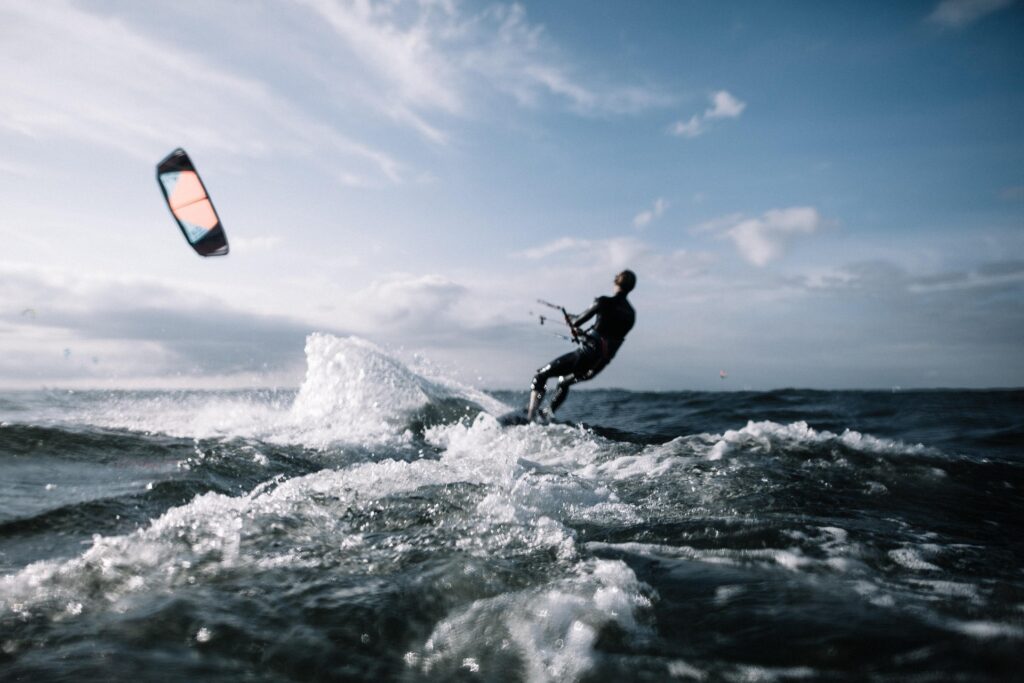
Kitesurfing in Morocco 2026: Quick Takeaways
| Category | Top Recommendation | Why? |
|---|---|---|
| Best Overall Destination | Dakhla | World-class flat water lagoon and consistent year-round wind. |
| Best for Beginners | Dakhla Lagoon | Shallow, flat water and professional schools. |
| Best for Wave Riding | Essaouira / Moulay Bouzerktoun | Consistent Atlantic swells and strong side-shore winds. |
| Best Value | Essaouira | Affordable accommodation and easy access from Marrakech. |
| Best Time to Visit | April – September | Peak wind season; Dakhla is good year-round. |
Table of Contents
- Why Kitesurfing in Morocco? The 2026 Perspective
- Dakhla: The Kitesurfing Mecca
- Essaouira: The Wind City of Africa
- Moulay Bouzerktoun: The Wave Specialist
- Sidi Kaouki: The Bohemian Alternative
- Practical Planning: Wind, Gear & Schools
- Travel Logistics for Kitesurfers
- Frequently Asked Questions
Why Kitesurfing in Morocco? The 2026 Perspective
Kitesurfing in Morocco isn’t just a sport; it’s a sensory immersion. The combination of the reliable Alizé trade winds and the diverse coastline creates a playground that is hard to beat. In 2026, the experience is more seamless than ever. Improved infrastructure, including new direct flight routes to Dakhla and Essaouira, means you can spend less time traveling and more time on the water.
Furthermore, Morocco’s commitment to sustainable tourism has led to the development of eco-friendly kite camps, particularly in the Dakhla region, ensuring that the pristine environment remains protected for future generations. Whether you are chasing your first ride or your highest jump, Morocco offers a unique blend of adventure and hospitality.
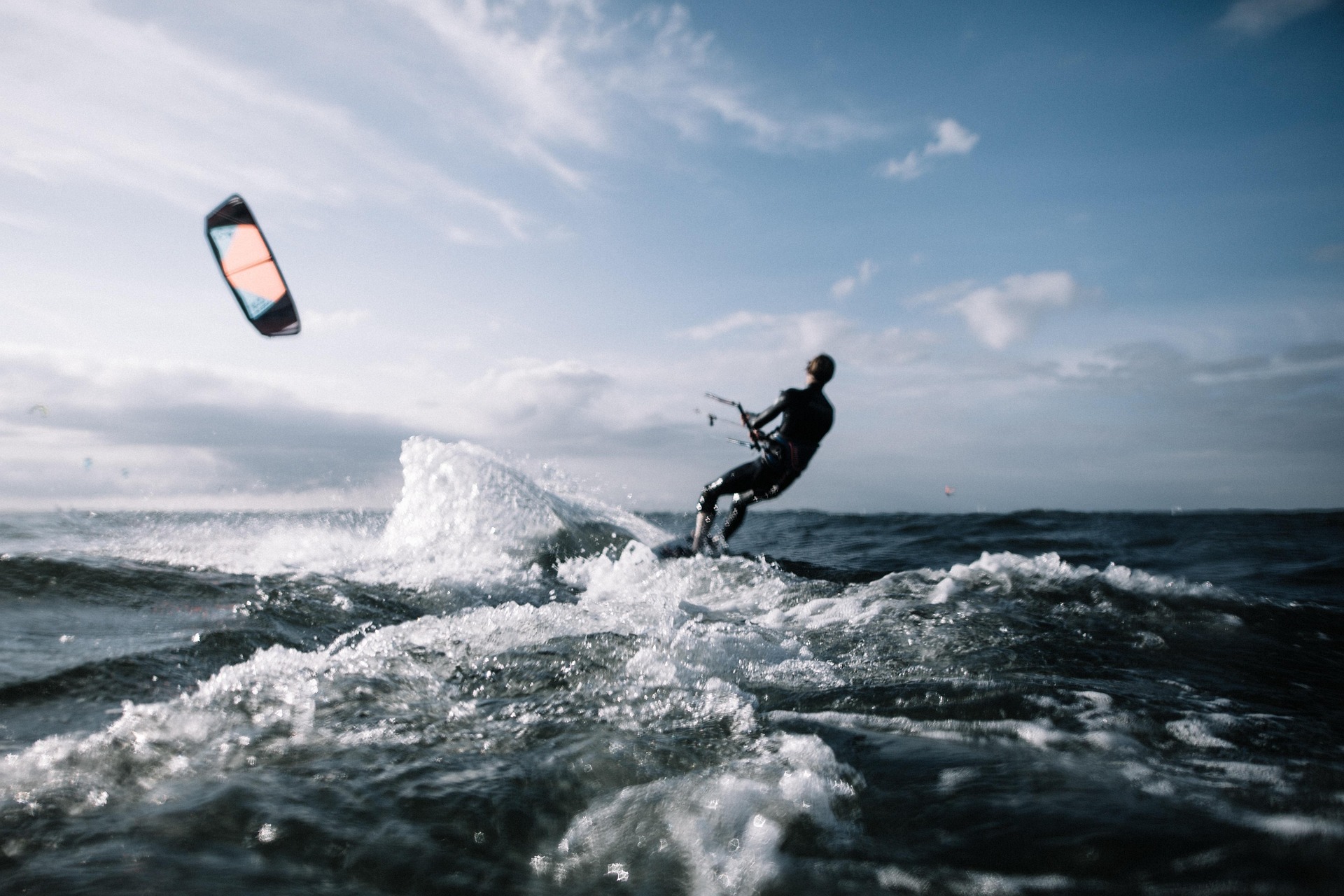
Image Opportunity: Kitesurfer in Dakhla Lagoon
Subject: A kitesurfer performing a jump in the turquoise waters of the Dakhla lagoon with the desert in the background.
Placement: After the “Why Morocco” section.
ALT Text: Kitesurfer jumping in the Dakhla lagoon, Morocco 2026, with the Sahara desert in the background.
Dakhla: The Kitesurfing Mecca
Dakhla is the undisputed capital of Moroccan kitesurfing. Located on a narrow peninsula where the Sahara meets the Atlantic, it offers a massive flat-water lagoon that is perfect for all levels. For a full guide on the region, see our Best Outdoor Activities in Morocco (2026).
1. The Lagoon
The main lagoon is a 40km stretch of flat, shallow water. It is the best place in the world to learn to kitesurf. The wind is incredibly consistent, blowing side-shore or side-onshore almost every day. In 2026, the lagoon is home to several world-class kite camps that offer all-inclusive packages, including lessons, gear rental, and accommodation.
2. The Speed Spot
Located at the edge of the lagoon, the Speed Spot offers perfectly flat water even when the wind is howling. It is a favorite for freestyle riders and those looking to break their personal speed records. Access is usually via a 4×4 tractor or boat from the main camps.
3. Foum Labouir
For those who prefer waves, Foum Labouir on the Atlantic side of the peninsula offers a world-class point break. It is best suited for intermediate to advanced riders who are comfortable in the surf. The wave is long and peeling, providing excellent opportunities for wave riding.
Essaouira: The Wind City of Africa
Essaouira is a vibrant, historic city that offers a completely different kitesurfing experience. The main bay is a large, crescent-shaped beach with consistent side-shore winds. For more on the city, check out our Essaouira Travel Guide (2026).
1. Essaouira Bay
The bay is suitable for all levels, though the water can be a bit choppy. Beginners can practice in the shallow areas, while more advanced riders can head further out to play in the waves. The atmosphere is incredibly social, with plenty of kite schools and beachfront cafes.
Moulay Bouzerktoun: The Wave Specialist
Located 25km north of Essaouira, Moulay is a world-renowned wave spot. It is not for the faint-hearted. The wind is strong, and the waves can be massive. It is a favorite for pro riders and those who live for big air and radical wave riding. The village is small and rustic, offering a true “off-the-grid” experience.
Sidi Kaouki: The Bohemian Alternative
Just south of Essaouira, Sidi Kaouki offers a more relaxed, bohemian vibe. The beach is vast and wild, with consistent wind and waves. It is a great spot for intermediate riders who want to escape the crowds of the main bay. The village is famous for its surf and kite camps, as well as its excellent local food.
Practical Planning: Wind, Gear & Schools
Wind Seasons
The best wind in Morocco is from April to September, when the Alizé trade winds are at their strongest. However, Dakhla enjoys consistent wind year-round, making it a great winter destination. Always check the forecast on sites like Windguru or Windy before you go.
Gear & Rentals
If you don’t want to travel with your gear, all major spots offer high-end rentals (Duotone, North, F-One, etc.). Expect to pay around 600-800 MAD ($60-$80) per day for a full set. Most schools also offer storage for those who bring their own equipment.
Kite Schools
Morocco has a high standard of instruction, with many IKO-certified schools. Whether you are a complete beginner or looking to improve your freestyle skills, you will find professional instructors who speak multiple languages.
Travel Logistics for Kitesurfers (2026)
- Best Time to Visit: April-September for peak wind. Dakhla is good year-round.
- Transportation: Renting a car with a roof rack is the best way to explore the coast. For Dakhla, most camps offer airport transfers.
- Currency: The Moroccan Dirham (MAD). While kite camps accept cards, you will need cash for small purchases in the villages.
- Internet: Buy an eSIM or a local SIM (Maroc Telecom) at the airport. 20GB for 200 MAD is standard in 2026.
Frequently Asked Questions
1. Is kitesurfing in Morocco safe for beginners?
Yes, especially in Dakhla. The flat, shallow lagoon and professional schools make it one of the safest places in the world to learn.
2. Do I need a wetsuit?
Yes, even in summer. The Atlantic water is cool. A 3/2mm wetsuit is usually sufficient, but in winter, a 4/3mm is recommended.
3. Can I rent gear at the spots?
Yes, all major kitesurfing hubs have rental centers with the latest equipment.
4. How do I get to Dakhla?
The easiest way is to fly. There are direct flights from Casablanca, Marrakech, and several European cities.
5. Are there other activities if there is no wind?
Yes! You can go surfing, stand-up paddling, camel riding, or explore the local souks and historic sites.
Conclusion
Kitesurfing in Morocco in 2026 is a world-class experience that combines technical challenge with unparalleled hospitality. From the flat-water paradise of Dakhla to the wild waves of Moulay, the variety is staggering. Whether you are a seasoned pro or a complete novice, the “Wind Kingdom” awaits. Ready to explore more of the coast after your session? Check out our Agadir Travel Guide for a relaxing post-kite getaway.