
Welcome to Essaouira, the “Wind City of Africa.” As we look toward 2026, this coastal sanctuary remains one of Morocco’s most enchanting destinations. Unlike the frenetic energy of Marrakech, Essaouira offers a rhythmic, salt-aired tranquility that has captivated artists, musicians, and travelers for centuries. Whether you’re here for the world-class kitesurfing, the UNESCO-listed Medina, or simply the freshest grilled sardines you’ll ever taste, this guide is your definitive resource for navigating the blue-and-white charm of Mogador.
Table of Contents
- Why Visit Essaouira?
- History of Essaouira: From Mogador to UNESCO
- Best Time to Visit & Seasonal Advice
- How to Get There: Transportation Guide
- Where to Stay: Neighborhood & Accommodation Guide
- Top 15 Things to Do in Essaouira
- Hidden Gems & Authentic Experiences
- Savoring Essaouira: Food & Local Specialties
- Practical Logistics: SIMs, Money & Safety
- Sample 3-Day Master Itinerary
- Frequently Asked Questions
Why Visit Essaouira?
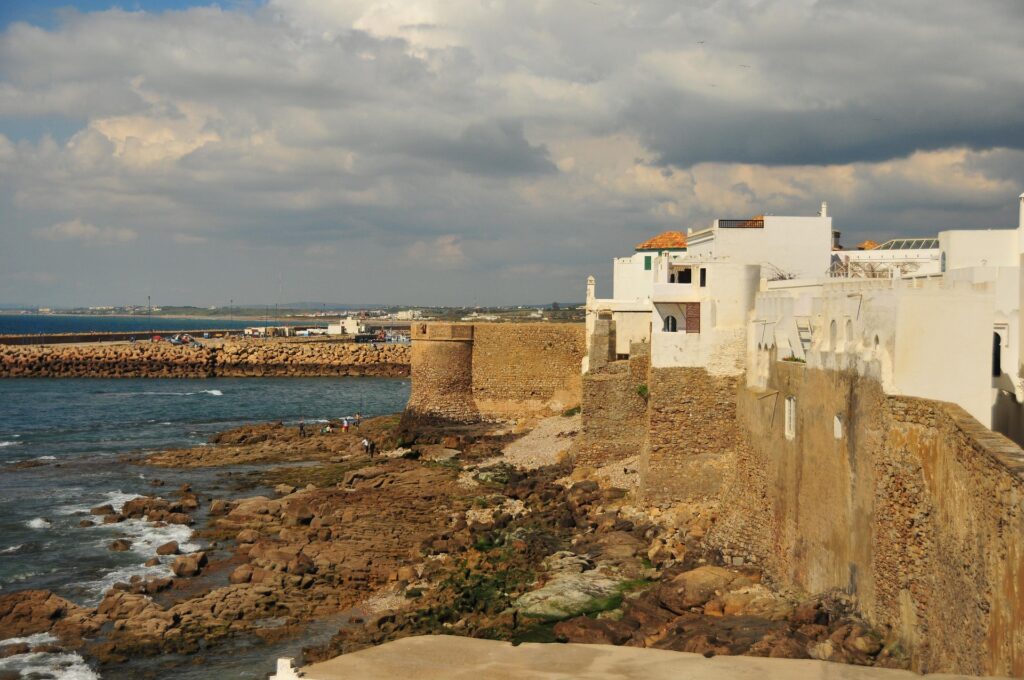
Essaouira is the perfect antidote to the heat of the Moroccan interior. Its unique microclimate, influenced by the Alizé winds, keeps the city cool year-round. It’s a place where the Atlantic Ocean meets 18th-century European military architecture, creating a backdrop that feels both ancient and surprisingly modern. It’s a hub for creativity, a paradise for water sports enthusiasts, and a culinary destination that celebrates the bounty of the sea.
History of Essaouira: From Mogador to UNESCO
Known historically as Mogador, Essaouira’s roots stretch back to prehistoric times. The Phoenicians established a purple dye factory here, utilizing the Murex shells found on the nearby Purpuraire Islands. The city we see today was largely designed in the 1760s by Sultan Sidi Mohammed ben Abdallah, who employed French architect Théodore Cornut to build a port and city capable of handling international trade. This blend of Moroccan and European urban design is what earned the Medina its UNESCO World Heritage status.
Best Time to Visit & Seasonal Advice
While Essaouira is a year-round destination, the “best” time depends on your interests:
- Spring (March to May): Ideal for sightseeing and hiking. The weather is mild, and the landscape is lush.
- Summer (June to August): Peak season for the Gnawa Festival and kitesurfing. Expect strong winds (the Alizé) and larger crowds.
- Autumn (September to November): The winds die down, making it the best time for sunbathing and calm beach days.
- Winter (December to February): Quiet and cool. Great for budget travelers and those seeking solitude, though some rain is possible.
How to Get There: Transportation Guide
Essaouira is well-connected to major Moroccan hubs:
- By Air: Essaouira-Mogador Airport (ESU) receives direct flights from several European cities. A taxi to the Medina costs a flat rate of 150 MAD ($15).
- From Marrakech: A 2.5 to 3-hour drive. CTM and Supratours buses are reliable and affordable (approx. 100 MAD). Private transfers offer more flexibility and cost around 600-800 MAD.
- From Agadir: A scenic 3-hour drive north along the coast via the N1 highway.
- Getting Around: The Medina is entirely car-free. Use Petit Taxis (Blue) for trips to the new town or the airport. Walking is the best way to explore.
Where to Stay: Neighborhood & Accommodation Guide
Choosing the right area is essential for your Essaouira experience:
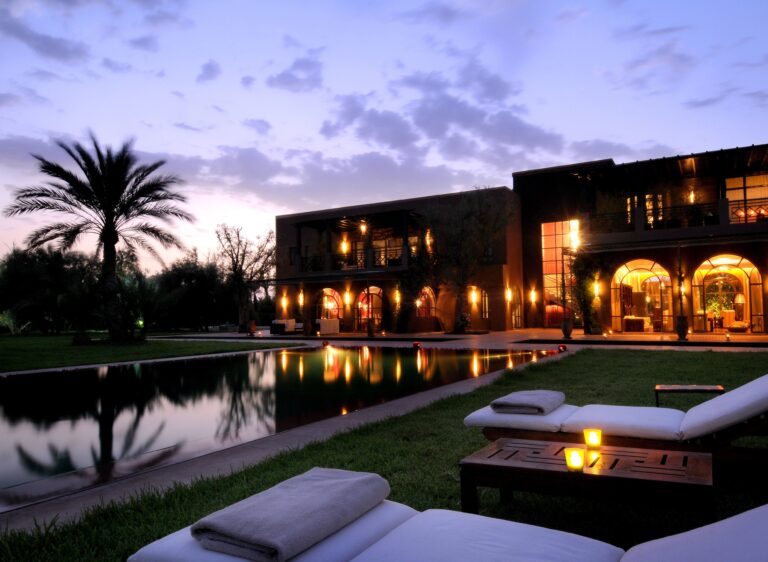
- The Medina: Best for Couples & First-Timers. Stay in a traditional riad for an authentic feel. Recommendation: Salute Maroc!
- The Kasbah: Best for Luxury & Views. The most historic part of the Medina, overlooking the ocean. Recommendation: Heure Bleue Palais.
- The Beachfront (Corniche): Best for Families & Digital Nomads. Modern hotels with pools and easy access to surf schools. Recommendation: Atlas Essaouira & Spa.
- Sidi Kaouki: 20 mins south, best for Surfers & Solo Travelers seeking a bohemian, off-grid vibe.
Top 15 Things to Do in Essaouira
1. Get Lost in the Essaouira Medina
Unlike the labyrinthine souks of Fes, Essaouira’s Medina is laid out on a grid, making it much easier to navigate. Wander through the white-washed alleys, admire the bright blue doors, and discover hidden workshops where artisans carve intricate Thuya wood furniture.
2. Walk the Skala de la Ville
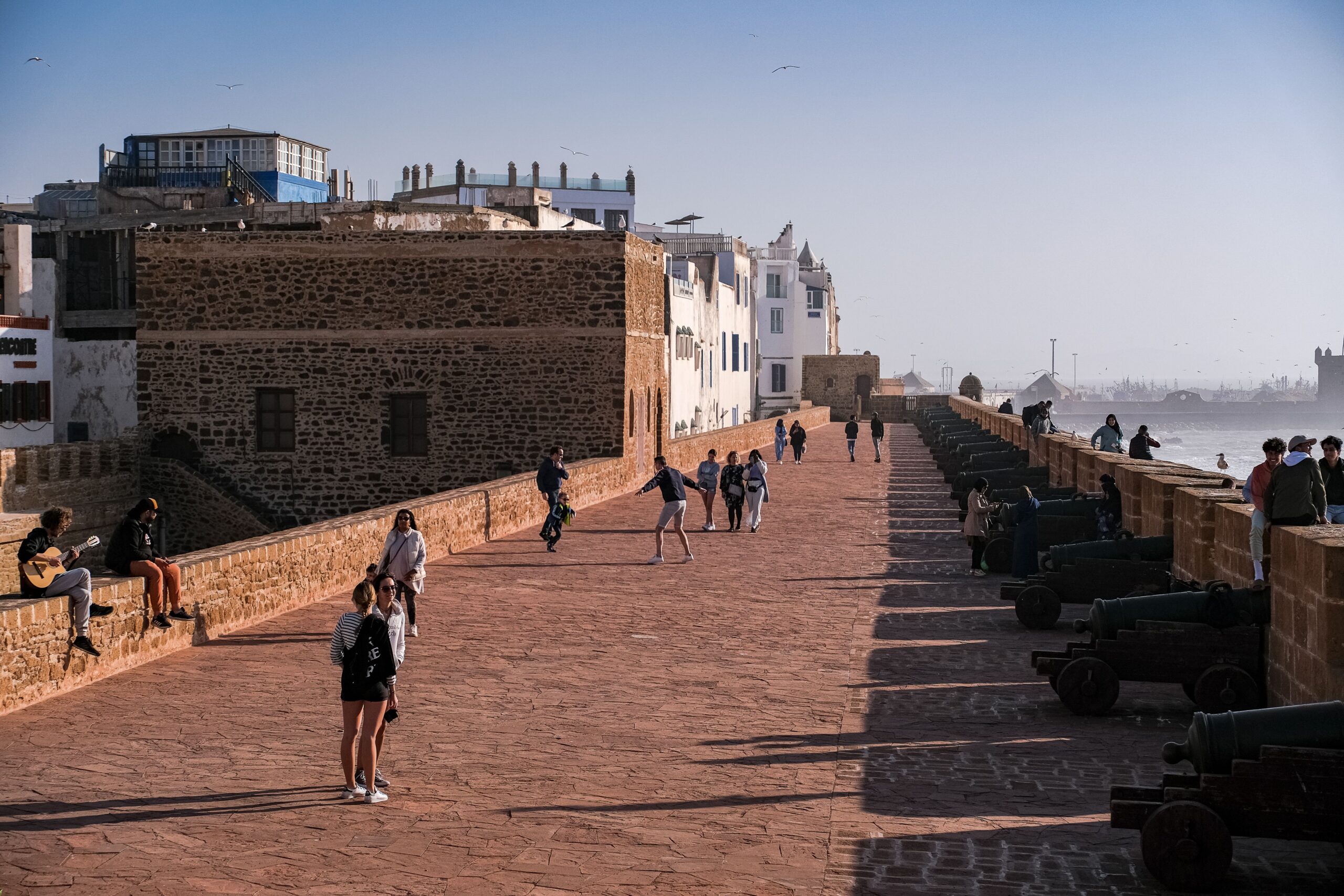
These impressive sea bastions offer the best views in the city. Walk along the ramparts where brass cannons still point toward the Atlantic, and watch the waves crash against the rocks below. It’s a prime spot for sunset photography.
3. Relax on Essaouira Beach
The wide, sandy bay stretches for miles. While it can be too windy for traditional sunbathing in the summer, it’s perfect for long walks, football matches with locals, and watching the colorful kites of surfers dancing in the sky.
4. Visit the Port of Essaouira
The port is a sensory explosion. Watch the iconic blue wooden boats return with their daily catch, see fishermen mending their nets, and dodge the opportunistic seagulls. It’s the beating heart of the city’s economy.
5. Feast at the Seafood Stalls
Just outside the port, you’ll find rows of outdoor seafood grills. Pick your fish—sea bass, red snapper, lobster, or sardines—and have it grilled to perfection on the spot. It’s a rustic, essential Essaouira experience.
6. Explore the Art Galleries
Essaouira has long been a magnet for artists. Visit the Galerie d’Art Damgaard to see works by local self-taught artists, often characterized by vibrant colors and mystical themes inspired by Gnawa culture.
7. Shop the Traditional Souks
From hand-woven blankets and leather goods to aromatic spices and Argan oil, the souks here are less aggressive than in other cities. Look for the Souk Jdid for daily essentials and the Marché aux Poissons for a glimpse into local life.
8. Camel & Horse Riding
Head to the southern end of the beach for a sunset ride. Galloping along the shoreline on an Arabian horse or taking a slow-paced camel trek through the dunes is a magical way to experience the coast.
9. Kitesurfing & Windsurfing
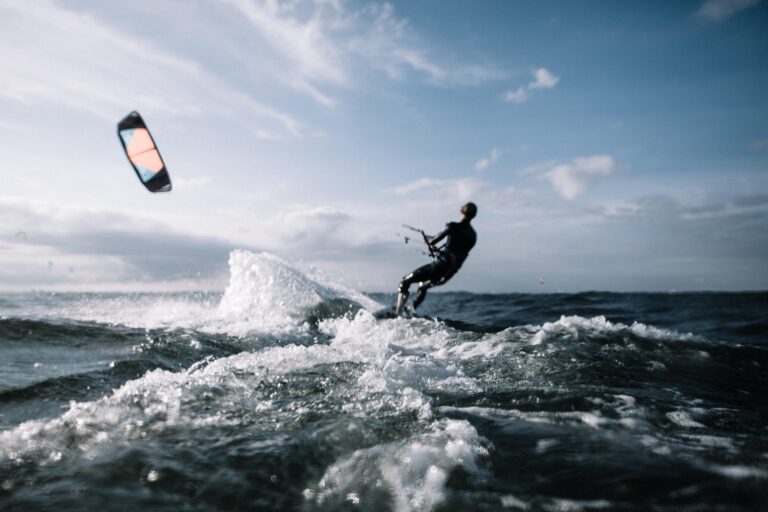
With consistent winds, Essaouira is a world-class destination for wind sports. Several schools along the beach offer lessons for all levels. 2026 sees even more eco-friendly surf camps opening up along the coast.
10. Take a Day Trip to Sidi Kaouki
Just 25km south, this bohemian surf village offers a more rugged beach experience. It’s perfect for those looking to escape the “city” and enjoy a quiet lunch by the sea.
11. Join a Moroccan Cooking Class
Learn the secrets of the perfect tagine. Many riads offer hands-on classes that start with a trip to the market to buy fresh ingredients. Recommendation: Khadija’s Kuzina.
12. Experience a Traditional Hammam
For a truly local experience, visit a neighborhood hammam. For a more luxurious treat, many boutique hotels offer high-end spa versions of this traditional scrubbing ritual.
13. Listen to Gnawa Music
Essaouira is the spiritual home of Gnawa music. Even if you aren’t here for the festival, you can often find live performances in cafes like Café de France or dedicated cultural spaces.
14. Watch Thuya Wood Carvers
The fragrant Thuya wood is native to this region. Visit the workshops under the Skala to see artisans create intricate boxes and furniture using traditional inlay techniques.
15. Visit an Argan Oil Cooperative
The road to Essaouira is lined with Argan trees. Visit a women’s cooperative to see how the “liquid gold” is extracted and support local female empowerment.
Hidden Gems & Authentic Experiences
- Le Real Mogador: A stunning art space in a former consulate building that showcases the city’s creative soul.
- Sunday Market (Had Dra): A 30-min drive away, this is one of the most authentic rural markets in Morocco.
- The Christian Cemetery: A peaceful, historic site that reflects the city’s long history of religious tolerance.
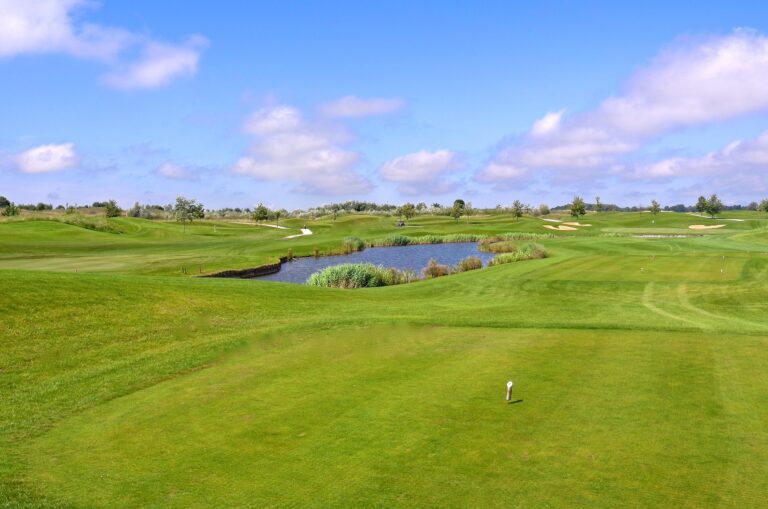
- Diabat: The village where Jimi Hendrix reportedly stayed, now home to a world-class golf course and ruins of an old palace.
Savoring Essaouira: Food & Local Specialties
Beyond the famous seafood, Essaouira has unique culinary treasures:
- Amlou: A delicious dip made of Argan oil, toasted almonds, and honey. Best bought at the local cooperatives.
- Goat Cheese: The region is famous for its fresh, tangy goat cheese. Try it at the morning market.
- Sardine Meatballs (Kafta de Sardine): A local specialty often served in a spicy tomato tagine.
- Pastries at Driss: A legendary patisserie near the main square that has been serving Moroccan and French treats since 1928.
Practical Logistics: SIMs, Money & Safety
| Service | Recommendation | Details |
|---|---|---|
| SIM Cards | Maroc Telecom or Inwi | Available at the airport or kiosks. 10GB for approx. 100 MAD ($10). |
| ATMs | Attijariwafa or BMCE | Widely available in the new town and near Medina gates. |
| Emergency | Police: 19 / Ambulance: 15 | Keep these numbers saved. Most operators speak French. |
| Currency | Moroccan Dirham (MAD) | Cash is essential for souks; cards accepted in larger hotels. |
Safety & Scams: Essaouira is very safe, but be wary of “unofficial” guides offering to take you to Argan cooperatives. Always use licensed guides. Respect the Atlantic currents; only swim in designated areas.
Sample 3-Day Master Itinerary
Day 1: The Blue & White Heart
Morning: Explore the Medina and Skala de la Ville. Lunch: Grilled sardines at the port. Afternoon: Visit the art galleries and shop for Thuya wood. Evening: Sunset at a rooftop bar in the Kasbah.
Day 2: Wind & Waves
Morning: Kitesurfing lesson or a long walk on the beach. Lunch: Beachfront cafe. Afternoon: Camel ride through the dunes to Diabat. Evening: Traditional hammam and Gnawa music performance.
Day 3: Rural Roots
Morning: Day trip to the Had Dra market (Sunday) or an Argan cooperative. Lunch: Picnic at Sidi Kaouki. Afternoon: Relax by the sea or take a cooking class. Evening: Farewell dinner at a fine-dining riad.
Frequently Asked Questions
Is Essaouira worth a day trip from Marrakech? Yes, but staying overnight is highly recommended to feel the city’s true vibe after the day-trippers leave.
Can you swim in Essaouira? Yes, but it’s often windy and the water is cool. The southern end of the beach is better for swimming.
Is it safe for solo female travelers? Yes, it’s considered one of the safest and most relaxed cities in Morocco.
What should I buy? Thuya wood carvings, Argan oil, hand-woven blankets, and silver jewelry.
Conclusion
Essaouira is more than just a destination; it’s a feeling. It’s the sound of the wind, the taste of the salt, and the warmth of the people. As you plan your 2026 journey to Morocco, make sure this coastal gem is at the top of your list. Ready to explore more? Check out our Agadir Travel Guide or plan your next stop with our Tangier Guide.