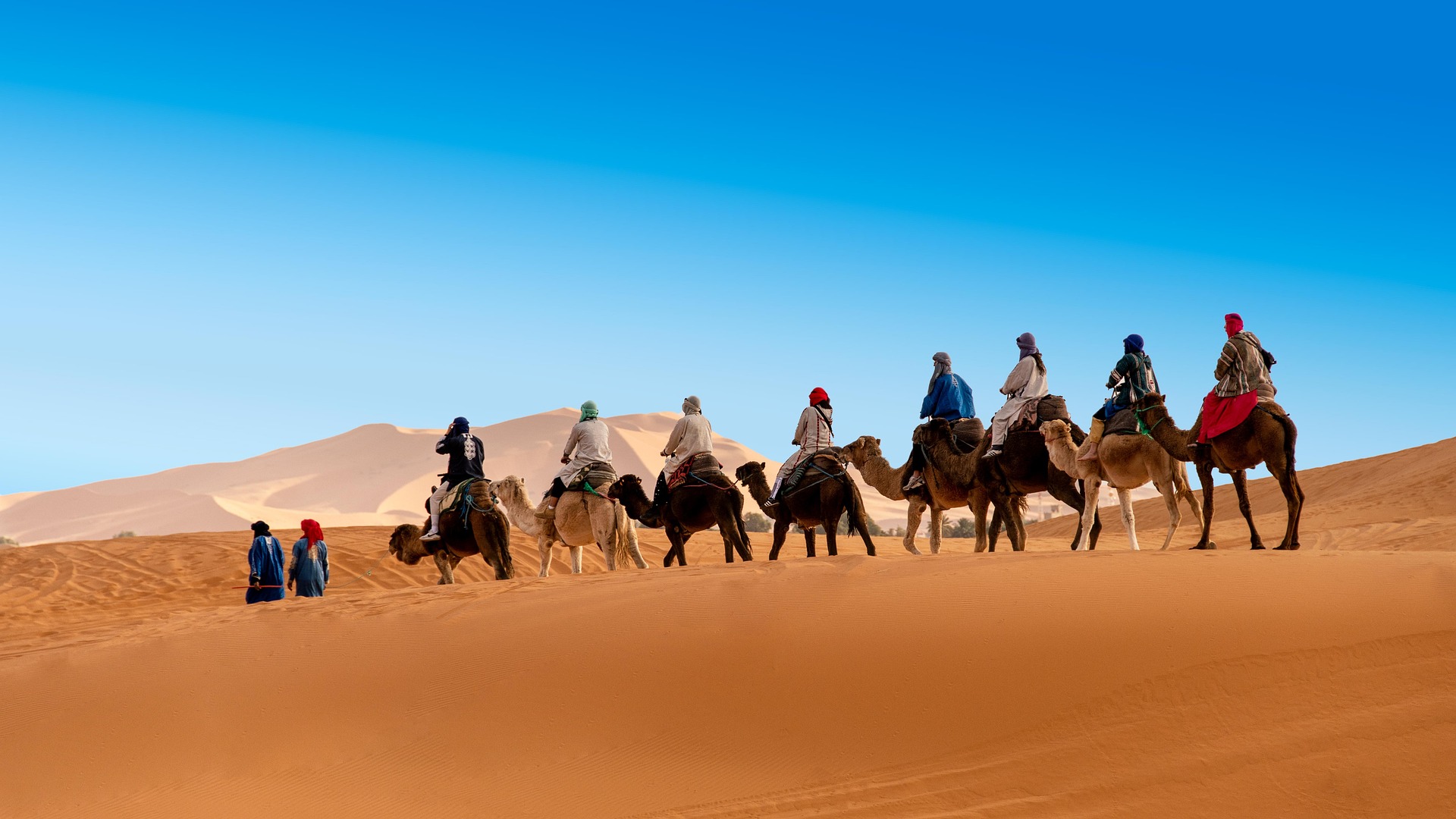
The Sahara Desert is not just a destination; it is a profound, life-altering experience that stays with you long after the golden sand has been shaken from your boots. As we look toward 2026, the Moroccan Sahara remains one of the most accessible, safe, and awe-inspiring gateways to the world’s largest hot desert. Whether you are seeking the towering, iconic dunes of Erg Chebbi or the wild, remote, and silent stretches of Erg Chigaga, this guide is designed to be the definitive resource for your journey into the golden sea of Morocco.
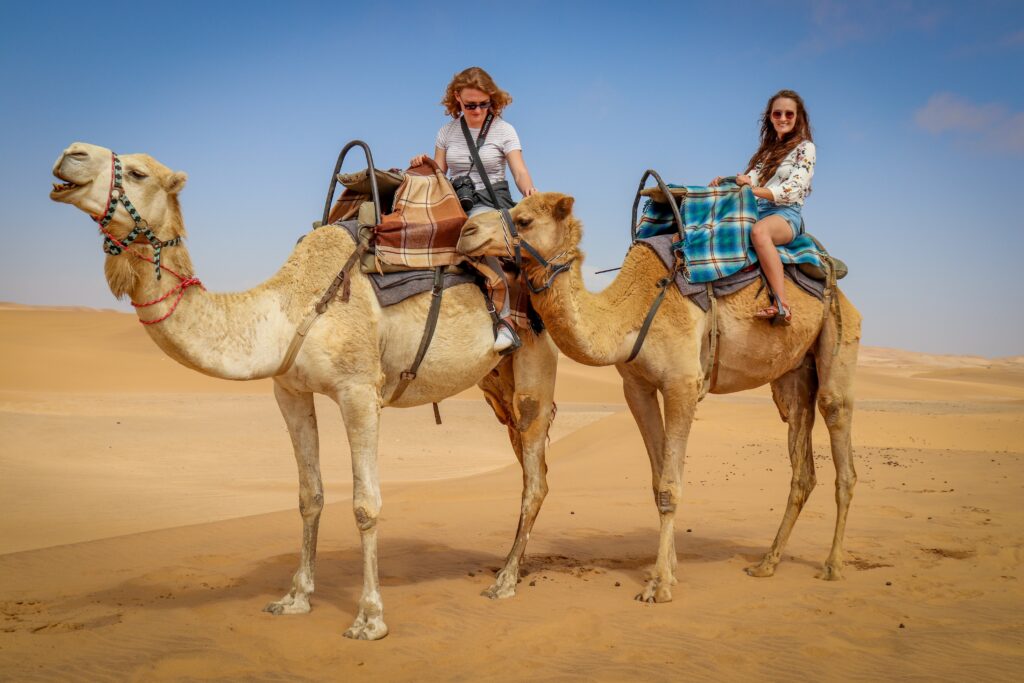
Table of Contents
- Why Visit the Moroccan Sahara?
- Erg Chebbi: The Golden Giants
- Erg Chigaga: The Wild Frontier
- Merzouga: The Gateway to the Dunes
- Zagora: The Rocky Gateway
- M’Hamid: Where the Road Ends
- Camel Trekking: The Nomadic Rhythm
- Luxury Desert Camps: Glamping in the Sahara
- Budget Desert Camps: Authentic Simplicity
- 2-Day Tours: The Quick Escape
- 3-Day Tours: The Classic Route
- 4-Day Tours: The Deep Dive
- Private vs. Group Tours
- Family Desert Tours: Adventure for All Ages
- The Sunset & Sunrise Experience
- Sandboarding: Surfing the Dunes
- Stargazing: The Infinite Canopy
- Berber Culture: The Soul of the Desert
- Desert Food: Savoring the Sands
- Best Time to Visit & Weather by Season
- The Ultimate Sahara Packing List
- Transportation: How to Reach the Dunes
- Safety Tips for Desert Travelers
- Prices & Budgeting for 2026
- Photography Tips: Capturing the Light
- Responsible Tourism: Leaving No Trace
- Frequently Asked Questions (25+ Questions)
- Conclusion
Why Visit the Moroccan Sahara?
Visiting the Sahara is a bucket-list item for a reason. It offers a silence so deep it’s almost audible, and a landscape that shifts with every gust of wind. In 2026, travelers are increasingly seeking “slow travel” and “digital detox” experiences—the Sahara provides both in abundance. From the hospitality of the local Berber (Amazigh) people to the thrill of climbing a 150-meter dune, the desert is a place of transformation. It is a landscape that humbles you, reminds you of the scale of the natural world, and offers a clarity of thought that is hard to find in the modern urban bustle.
Erg Chebbi: The Golden Giants
Erg Chebbi is the most iconic desert destination in Morocco. Located near the village of Merzouga, these dunes are famous for their towering height—reaching up to 150 meters—and their vibrant, orange-gold color. The dunes here are “classic” Sahara; they look exactly like the postcards. Because of their accessibility, Erg Chebbi is home to the widest variety of luxury camps and activities. It is the perfect choice for those who want the quintessential desert experience with a touch of comfort.
Erg Chigaga: The Wild Frontier
If Erg Chebbi is the polished star, Erg Chigaga is the wild, untamed sibling. Located further south, near M’Hamid, these dunes are more remote and harder to reach, requiring a 2-hour 4×4 journey across the rocky “hamada.” The dunes here are less concentrated but cover a much larger area, offering a sense of isolation and vastness that is unparalleled. In 2026, Erg Chigaga is the preferred choice for travelers seeking a “raw” experience, away from the crowds, where the only sound is the wind and the occasional camel bell.
Merzouga: The Gateway to the Dunes
Merzouga is a small village that serves as the primary hub for Erg Chebbi. It has evolved from a quiet nomadic outpost into a vibrant tourism center. Here, you can find everything from budget hostels to high-end kasbah hotels with swimming pools that overlook the dunes. Merzouga is also famous for its Gnawa music in the nearby village of Khamlia and the seasonal lake, Dayet Srji, which attracts flamingos during the wet months.
Zagora: The Rocky Gateway
Zagora is often the destination for shorter 2-day tours from Marrakech. While it doesn’t have the massive sand dunes of the Ergs, it offers a beautiful, flat, rocky desert landscape (hamada) and is the gateway to the lush Draa Valley. It is home to the famous “Timbuktu 52 Days” sign, a reminder of the ancient caravan routes that once crossed this region.
M’Hamid: Where the Road Ends
M’Hamid El Ghizlane is the last village before the deep Sahara begins. It is a place of profound quiet, where the paved road literally ends and the sand begins to reclaim the streets. M’Hamid is the starting point for expeditions to Erg Chigaga and is known for its authentic nomadic culture and the annual International Nomads Festival.
Camel Trekking: The Nomadic Rhythm
No Morocco desert tour is complete without a camel trek. Riding a camel into the dunes at sunset is a meditative experience. The rhythmic swaying of the animal and the silence of the sand create a connection to the ancient nomadic way of life. Most treks last between 1 to 2 hours, taking you from the edge of the desert to your overnight camp. Insider Tip for 2026: Always ensure your tour operator follows ethical animal welfare guidelines.
Luxury Desert Camps: Glamping in the Sahara
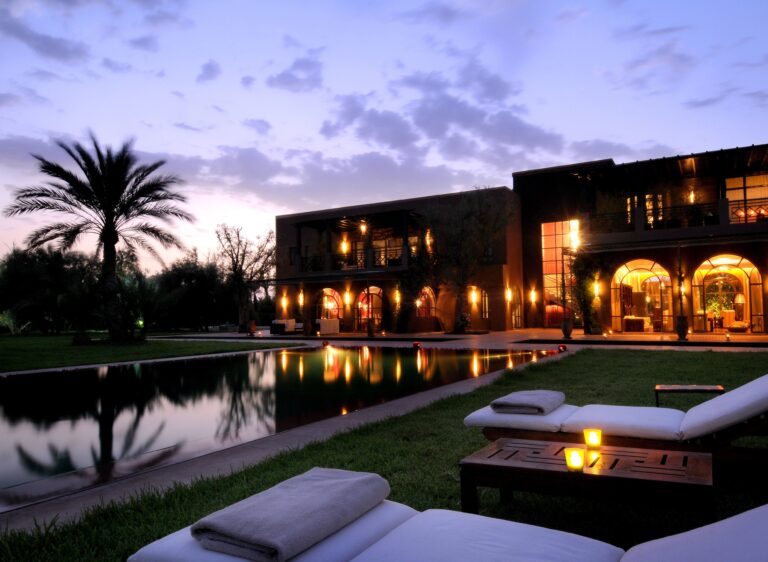
In 2026, “glamping” in the Sahara has reached new heights of sophistication. Luxury camps offer spacious, private tents with king-sized beds, high-quality linens, en-suite bathrooms with hot showers, and gourmet Moroccan dining. Many now feature eco-friendly solar power and sustainable water management systems. It is the ultimate way to experience the wilderness without sacrificing the comforts of a 5-star hotel.

Budget Desert Camps: Authentic Simplicity
For those seeking a more rugged and authentic experience, budget or standard camps offer a wonderful alternative. You will sleep in traditional nomadic-style tents, often with mattresses on the floor and shared bathroom facilities. The focus here is on the communal experience—sharing stories around a campfire, listening to traditional Berber drumming, and bonding with fellow travelers under the stars.
2-Day Tours: The Quick Escape
Short on time? A 2-day/1-night tour from Marrakech to Zagora is the most popular option. While you won’t see the massive dunes of Merzouga, you will experience the Atlas Mountains, the Draa Valley, and a night in a desert camp. It is a fast-paced but rewarding way to get a taste of the Sahara.
3-Day Tours: The Classic Route
The 3-day/2-night tour from Marrakech to Merzouga is the “Gold Standard” of Morocco desert tours. It allows enough time to visit the UNESCO site of Ait Ben Haddou, the Dades Valley, and the Todra Gorge before spending a full night in the Erg Chebbi dunes. It is the perfect balance of travel and exploration.
4-Day Tours: The Deep Dive
For a truly immersive experience, a 4-day tour is highly recommended. This allows for a “slow travel” pace, with an extra night in the desert or a stop in the remote Erg Chigaga. You can also use this time to cross the desert from Marrakech and end your journey in the spiritual city of Fes, covering the best of Morocco in one trip.
Private vs. Group Tours
Group Tours: Economical and social. Great for solo travelers or those on a budget. You will travel in a shared minibus and follow a fixed itinerary. Private Tours: Offer total flexibility, a dedicated driver/guide, and a more personalized experience. You can stop whenever you like, choose your own accommodations, and move at your own pace. In 2026, private tours are the preferred choice for families and couples.
Family Desert Tours: Adventure for All Ages
The Sahara is a giant sandbox for children. Family-friendly tours focus on shorter driving times, interactive experiences like fossil hunting, and camps with proper facilities. Most kids find the camel ride to be the highlight of their entire Moroccan holiday. We recommend private tours for families to allow for flexible bathroom breaks and snack stops.
The Sunset & Sunrise Experience
The light in the Sahara is magical. As the sun sets, the dunes shift from pale yellow to deep orange and fiery red. Waking up early to climb the highest dune near your camp for sunrise is a non-negotiable part of the experience. The crisp morning air and the first rays of light hitting the sand are truly awe-inspiring.
Sandboarding: Surfing the Dunes
For the thrill-seekers, sandboarding is a must. Most camps provide boards, and while hiking up a 100-meter dune is exhausting, sliding down is exhilarating. It is like snowboarding, but warmer and slower. It is a fun activity for all ages and a great way to burn off some energy before dinner.
Stargazing: The Infinite Canopy
With zero light pollution, the Sahara offers some of the best stargazing in the world. On a clear, moonless night, the Milky Way is vividly visible to the naked eye. Many luxury camps now provide telescopes and even guided astronomy sessions, but simply lying back on a dune and looking up is a profound experience.
Berber Culture: The Soul of the Desert
The Amazigh (Berber) people are the heart of the Sahara. Their hospitality is legendary, and their culture is deeply rooted in the desert landscape. During your tour, you will have the chance to learn about their traditional music, their nomadic history, and their deep knowledge of the stars and the sand. Sharing a cup of mint tea with a local guide is often the most memorable part of the trip.
Desert Food: Savoring the Sands
Desert cuisine is hearty and flavorful. Don’t miss Madfouna (Berber Pizza), a thick, stuffed bread filled with meat, eggs, nuts, and spices, baked in a traditional fire pit. You will also enjoy slow-cooked tagines, fresh couscous, and the ubiquitous “Berber Whiskey”—fresh mint tea served with a dramatic high pour.
Best Time to Visit & Weather by Season
Spring (March to May): The absolute best time. Pleasant days (20-25°C) and cool nights. Autumn (September to November): Another excellent window with clear skies. Winter (December to February): Sunny days but freezing nights. Summer (June to August): Brutally hot (45°C+). Most desert camps close during this time, and travel is not recommended.
The Ultimate Sahara Packing List
- Layers: The desert is hot by day and cold by night. Bring a warm jacket.
- Scarf/Turban: Essential for sun and sand protection.
- Closed Shoes: Sneakers or boots. Sandals fill with sand immediately.
- Sun Protection: High-SPF sunscreen and polarized sunglasses.
- Power Bank: Electricity in camps can be limited.
- Eye Drops: Sand can be very irritating, especially for contact lens wearers.
Transportation: How to Reach the Dunes
Most travelers reach the desert via a guided tour from Marrakech or Fes. However, you can also self-drive to Merzouga or M’Hamid. For a faster trip, consider flying from Casablanca to Errachidia (ERH), which is a 2-hour drive from Merzouga. The Supratours bus also runs a reliable overnight service from Marrakech.
Safety Tips for Desert Travelers
The Sahara is safe, but it demands respect. Always travel with a reputable guide. Drink plenty of bottled water (at least 3 liters a day) to prevent dehydration. Be mindful of the sun and use high-SPF sunscreen. If you are driving yourself, never enter the dunes without a 4×4 and a local guide who knows the terrain.
Prices & Budgeting for 2026
A standard 3-day group tour typically costs around $120 – $180 USD per person. A private luxury tour will range from $400 to $800+ USD. This usually includes transport, camel rides, accommodation, and half-board. Lunches, tips, and personal expenses are extra. In 2026, expect slightly higher prices for eco-certified tours that support local conservation.
Photography Tips: Capturing the Light
The Sahara is a photographer’s dream. Use the “Golden Hour” (just after sunrise and before sunset) for the best shadows and colors. Protect your gear from the fine sand—use a UV filter and keep your camera in a sealed bag when not in use. For stargazing shots, bring a tripod and use a long exposure (20-30 seconds).
Responsible Tourism: Leaving No Trace
As the Sahara becomes more popular, responsible tourism is vital. Avoid single-use plastics, respect local customs and dress codes, and choose tour operators that employ local guides and support community projects. Always carry your trash out of the desert and be mindful of water usage in this arid environment.
Frequently Asked Questions
1. Is it safe to travel to the Sahara? Yes, guided tours are very safe. The main risks are dehydration and sunburn.
2. Can I go to the desert without a guide? You can drive to the edge, but you must hire a guide to enter the dunes safely.
3. Are there snakes and scorpions? They exist but are rarely seen, especially in the cooler months.
4. Is there cell service? Coverage is spotty. Expect to be disconnected in the deep dunes.
5. Can children go? Yes, but private tours are better for families due to the long drives.
6. What about bathrooms? Luxury camps have en-suite bathrooms; budget camps have shared facilities.
7. How much should I tip? Plan for 100 MAD ($10) per day for your driver and 50 MAD for your camel guide.
8. Is the food safe? Yes, the food in the camps is generally very safe and delicious.
9. Do I need a sleeping bag? No, all camps provide bedding and blankets.
10. Can I visit in summer? It is not recommended due to extreme heat (45°C+).
11. How long is the drive from Marrakech? About 9-10 hours to Merzouga, including stops.
12. Is there Wi-Fi? Some luxury camps have it, but it is often slow and unreliable.
13. Can I charge my phone? Yes, most camps have charging points in the main tent or private tents.
14. What is the best month? April and October are widely considered the best months.
15. Are there mosquitoes? Very few, but it’s always good to bring some repellent.
16. Can I wear shorts? It’s better to wear long, loose clothing for sun protection and cultural respect.
17. Is alcohol available? Not usually in the camps. You should bring your own if you want it.
18. Can I do a day trip? No, the distance is too great. A minimum of 2 days is required.
19. What is the currency? Moroccan Dirham (MAD). Cash is essential in the desert.
20. Do I need a visa? Most Western citizens do not need a visa for stays up to 90 days.
21. Is the water safe to drink? Stick to bottled or filtered water.
22. Can I ride a quad bike? Yes, many camps offer quad biking as an optional activity.
23. What is the “Blue City”? That’s Chefchaouen, which is in the north, far from the desert.
24. Is there a lot of walking? Only if you want to climb the dunes. The camel does the hard work!
25. Can I see the Milky Way? Yes, on clear nights it is spectacular.
26. What is the “Berber Pizza”? It’s Madfouna, a delicious stuffed bread baked in the sand or a fire pit.
Conclusion
A journey into the Sahara Desert is more than just a vacation; it is an encounter with the sublime. The vastness of the dunes and the warmth of the Berber culture will leave a lasting impression on your soul. Whether you choose the rugged simplicity of a budget camp or the opulence of a luxury tent, the magic of the Moroccan sands awaits. Start planning your adventure today and check out our guides to the Best Places to Visit in Morocco, the Marrakech Travel Guide, and our Traditional Moroccan Food Guide to build your perfect itinerary.