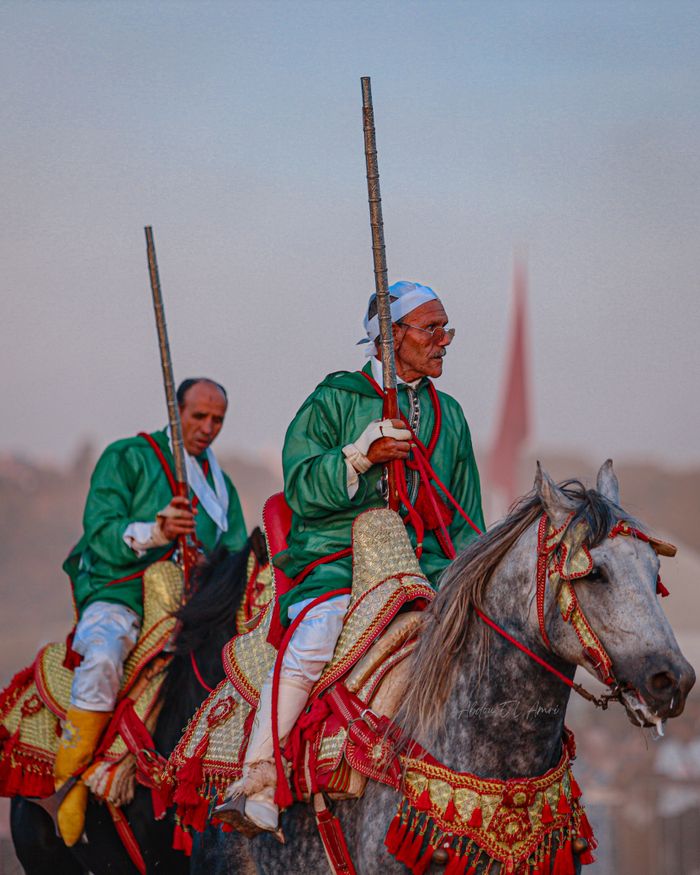
As a guide who has walked the Zellij-tiled halls of the Alhambra’s cousins in Fes and Marrakech, I can tell you that Moroccan culture isn’t something you just see—it’s something you feel in the vibration of the Gnaoua drums and the intricate patterns of a hand-carved cedar ceiling. Our heritage is a living, breathing tapestry of Amazigh, Arab, Andalusian, and African threads. Let me take you behind the carved doors and into the heart of what makes Morocco truly unique.
The Amazigh Foundation: The Soul of the Soil
Before the first Arab caravans arrived, the Amazigh (the “Free People”) were the stewards of this land. Their influence is the bedrock of our culture. – Artistry: Look at the geometric patterns in Berber rugs from the Middle Atlas. These aren’t just decorations; they are a coded language of tribal history and protection. – Language: While you’ll hear Darija (Moroccan Arabic) in the cities, in the mountains, Tamazight is the tongue of the soul. Learning a simple “Azul” (Hello) will open doors and hearts instantly.
The Imperial Craft: A Legacy of Excellence
Moroccan art reached its zenith in the imperial cities, where the Maâlems (master craftsmen) perfected techniques that have remained unchanged for a millennium. – Zellij: The intricate terracotta tilework you see in the Bou Inania Madrasa in Fes. Each tiny piece is hand-cut with a hammer. It’s a lesson in mathematical precision and spiritual devotion. – Stucco and Cedar: The “lace” of the walls and the “scent” of the palaces. The Bahia Palace in Marrakech is a prime example of how these materials create a cool, serene environment designed for contemplation.
Living Traditions: Music and Celebration
Culture in Morocco is best experienced through its rhythms. – Gnaoua: Originally brought by enslaved people from sub-Saharan Africa, this spiritual music uses the Guembri (a three-stringed lute) and Qraqeb (metal castanets) to induce a trance-like state. The Essaouira Gnaoua Festival is a world-class event you shouldn’t miss. – The Moussem: These are regional festivals celebrating local saints or harvests. The Imilchil Marriage Festival in the High Atlas is a vibrant display of tribal identity and tradition that feels like stepping back in time.
Cultural Etiquette: Navigating with Respect
To be a guest in Morocco is a high honor, but it comes with responsibilities. – Photography: Always ask before taking a photo of someone. A simple “S’il vous plaît?” or “Momkin tswira?” is essential. Respect the “No Photos” signs in sacred spaces. – The Hammam: This is our communal heart. If you go, remember it’s a place of modesty and ritual. Follow the lead of the locals, and don’t be afraid of a vigorous scrub—it’s part of the experience! – Hospitality: If offered tea, never refuse the first glass. It’s the ultimate gesture of welcome. “B’shat’k” (To your health) is the perfect response when you finish.
Conclusion: A Culture of Connection
Moroccan culture is built on the idea that we are all connected through our stories and our crafts. By looking deeper into the art and traditions of the Kingdom, you’ll find a beauty that transcends the visual. Which aspect of Moroccan art or culture fascinates you the most? Is it the music, the architecture, or the tribal traditions? Let’s start a conversation in the comments below!
Meta Title: Moroccan Culture & Art: A Local’s Guide to Traditions
Meta Description: Explore the soul of Morocco. From Amazigh rugs to Zellij tilework and Gnaoua music, discover the rich cultural heritage of the Kingdom with expert insights.
Internal Link Suggestions: 1. The Ultimate Guide to Tourism in Morocco: A Journey Through Time 2. A Culinary Adventure: Exploring the Flavors of Moroccan Food 3. From Peaks to Dunes: The Diverse Geography of Morocco