
Marrakech, the “Red City,” is a place where time seems to both stand still and race forward at a dizzying pace. this North African jewel continues to evolve, blending its ancient Berber roots with a sophisticated, modern flair that captivates every traveler. Whether you’re navigating the labyrinthine souks or finding peace in a hidden riad garden, Marrakech offers an intensity of experience that is unmatched. In this comprehensive guide, we’ll explore the top 15 things to do in Marrakech, ensuring your 2026 journey is nothing short of legendary.
1. Jemaa el-Fnaa: The Beating Heart of the City
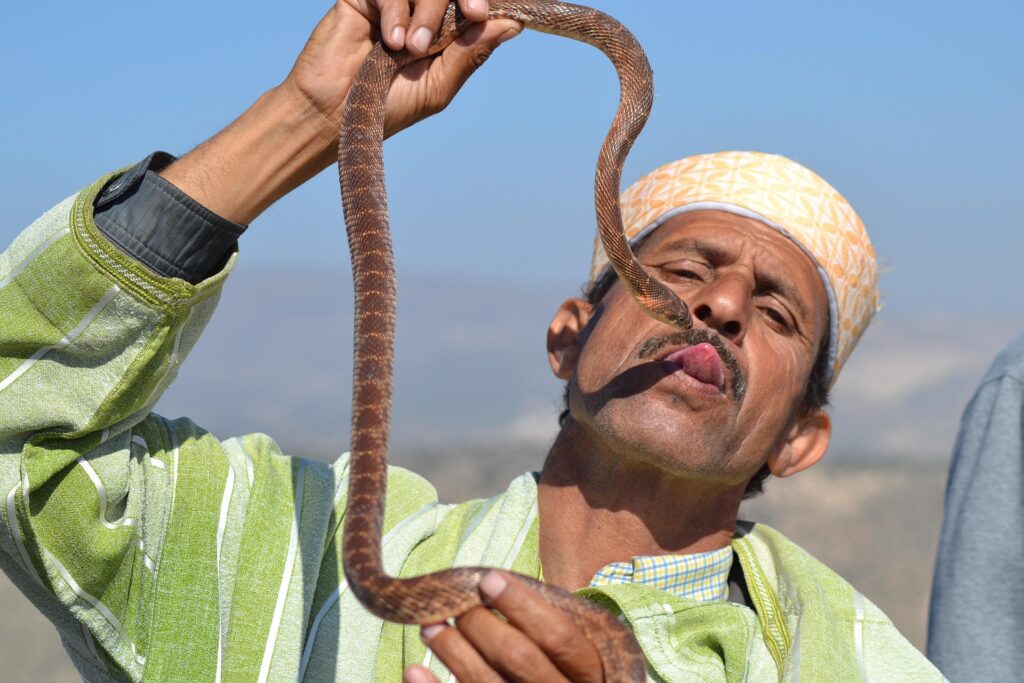
Jemaa el-Fnaa is more than just a square; it’s a living theater. By day, it’s a bustling marketplace with orange juice stalls and henna artists. As the sun sets, it transforms into a sprawling open-air kitchen filled with the smoke of grilled meats and the sounds of Gnaoua musicians, storytellers, and snake charmers.
Why it’s worth visiting: It is the cultural epicenter of Marrakech and a UNESCO Masterpiece of the Oral and Intangible Heritage of Humanity.
Best time to visit: Late afternoon to witness the transition from day to night.
Insider travel tip: Head to one of the surrounding rooftop cafés (like Le Grand Balcon du Café de la Poste) for a bird’s-eye view of the chaos with a mint tea in hand.
2. Koutoubia Mosque: An Architectural Icon
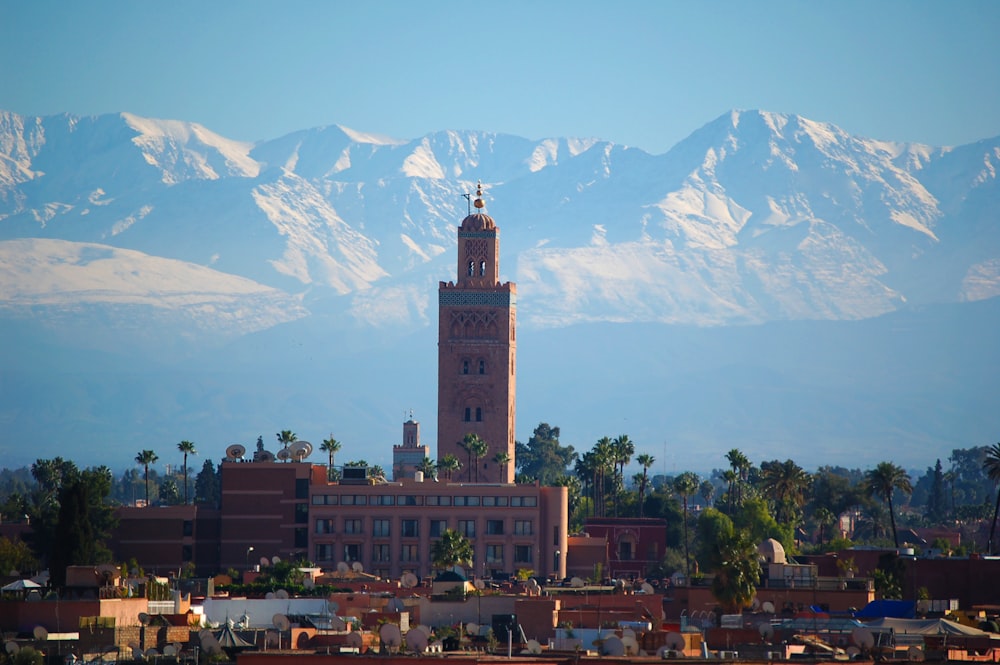
The 77-meter-high minaret of the Koutoubia Mosque is the landmark that defines the Marrakech skyline. Built in the 12th century, its Almohad architecture has influenced buildings as far away as Seville and Rabat.
Why it’s worth visiting: It’s a masterpiece of Islamic architecture and provides a sense of orientation for the entire city.
Best time to visit: At sunset, when the call to prayer echoes across the city and the stone glows orange.
Insider travel tip: While non-Muslims cannot enter the mosque, the surrounding rose gardens are public and offer the best photo opportunities.
3. Bahia Palace: A Vision of Grandeur
The Bahia Palace, meaning “brilliance,” was intended to be the greatest palace of its time. Its 160 rooms are adorned with intricate zellij tilework, carved cedarwood, and painted ceilings, surrounding peaceful courtyards.
Why it’s worth visiting: It offers a glimpse into the opulent lifestyle of 19th-century Moroccan royalty and viziers.
Best time to visit: Early morning (8:00 AM) to avoid the tour groups.
Insider travel tip: Look up! The most impressive artistry is often found in the wooden ceilings of the reception halls.
4. El Badi Palace: The Incomparable Ruins
Once a gold-encrusted marvel, El Badi Palace now stands as a majestic ruin. Built by Sultan Ahmad al-Mansur in the 16th century, it was later stripped of its riches, but the scale of the sunken gardens and massive walls remains awe-inspiring.
Why it’s worth visiting: The storks nesting on the ramparts and the underground dungeons provide a hauntingly beautiful atmosphere.
Best time to visit: Mid-morning when the light hits the orange trees in the sunken gardens.
Insider travel tip: Don’t miss the Koutoubia Minbar (prayer pulpit) housed in a small museum on-site; it’s a miracle of medieval woodworking.
5. Ben Youssef Madrasa: A Sanctuary of Learning
This former Islamic college is arguably the most beautiful building in Morocco. After extensive renovations, it reopened to showcase its stunning central courtyard, reflecting pool, and thousands of hand-carved details.
Why it’s worth visiting: The sheer density of the geometric patterns and calligraphy is a testament to Moroccan craftsmanship.
Best time to visit: Just before closing for softer light and fewer crowds.
Insider travel tip: Explore the tiny student dormitory rooms on the upper floor to see how scholars lived centuries ago.
6. Majorelle Garden: An Oasis of Cobalt Blue
Created by French painter Jacques Majorelle and later restored by Yves Saint Laurent, this botanical garden is a vibrant contrast to the red city. The “Majorelle Blue” villa is surrounded by exotic plants from five continents.
Why it’s worth visiting: It’s one of the most photographed spots in the world and a peaceful retreat from the Medina’s heat.
Best time to visit: You MUST book tickets online in advance. Aim for the first slot of the day.
Insider travel tip: Visit the Berber Museum located inside the garden for an incredible collection of traditional jewelry and textiles.
7. Yves Saint Laurent Museum: Fashion Meets Architecture
Located just steps from the Majorelle Garden, this museum is a tribute to the legendary designer who found his greatest inspiration in Marrakech. The building itself is a modern architectural marvel of terracotta brickwork.
Why it’s worth visiting: It houses a permanent collection of YSL’s iconic couture pieces and hosts world-class temporary exhibitions.
Best time to visit: Combine it with your Majorelle Garden visit (buy a combined ticket).
Insider travel tip: The museum café, Le Studio, is a chic spot for a light lunch or coffee.
8. The Medina: A Journey Through Time
The old city of Marrakech is a UNESCO World Heritage site and a sensory overload. Narrow alleys, donkey carts, and the scent of spices create an atmosphere that hasn’t changed significantly in centuries.
Why it’s worth visiting: It is the soul of the city, where you can truly get lost in the magic of Morocco.
Best time to visit: Morning for shopping, evening for atmosphere.
Insider travel tip: Download an offline map (like Google Maps or Maps.me), but don’t be afraid to get lost—it’s part of the experience.
9. Traditional Souks: The Ultimate Shopping Experience
Within the Medina lie the souks, divided by craft. From the dyers’ souk with its hanging skeins of wool to the slipper souk (Souk Smata), it’s a treasure hunter’s paradise.
Why it’s worth visiting: To see artisans at work and to practice the art of haggling for rugs, lanterns, and leather goods.
Best time to visit: Weekdays are slightly less crowded than weekends.
Insider travel tip: Never accept the first price. Aim for about 40-50% of the initial quote and enjoy the process—it’s a social interaction, not a battle.
10. Moroccan Hammam: A Ritual of Purification
A visit to a hammam is a quintessential Moroccan experience. Whether you choose a local neighborhood bath or a luxury spa, the process involves steam, black soap (sabun beldi), and a vigorous scrub with a kessa glove.
Why it’s worth visiting: It’s deeply relaxing and leaves your skin feeling incredibly soft.
Best time to visit: Late afternoon after a long day of walking.
Insider travel tip: For a luxury experience, try Royal Mansour or La Mamounia. For an authentic local feel, ask your riad host for their favorite neighborhood hammam.
11. Moroccan Food Experience: A Feast for the Senses
Moroccan cuisine is a blend of Berber, Arab, and French influences. From slow-cooked tagines and fluffy couscous to street food like harira soup and b’stilla (savory pastry), the flavors are complex and comforting.
Why it’s worth visiting: Food is the heart of Moroccan hospitality.
Best time to visit: Take a cooking class in the morning or a street food tour in the evening.
Insider travel tip: Try Tanjia—a slow-cooked meat dish unique to Marrakech, traditionally cooked in the embers of the hammam furnace.
12. Rooftop Cafés: Sunset Views and Mint Tea
Marrakech is a city of rooftops. Escaping the street-level bustle to a terrace offers a new perspective on the city, with views stretching to the Atlas Mountains.
Why it’s worth visiting: For the “Golden Hour” views and the chance to relax with a traditional Moroccan mint tea.
Best time to visit: One hour before sunset.
Insider travel tip: Nomad and Café des Épices are classics, but for something quieter, try L’Oiseau de Passage.
13. Agafay Desert: A Stone Desert Escape
If you don’t have time for the 8-hour drive to the Sahara, the Agafay Desert is just 45 minutes away. It’s a rocky, lunar-like landscape that offers stunning vistas and luxury desert camps.
Why it’s worth visiting: For camel rides, quad biking, and dinner under the stars without the long travel time.
Best time to visit: An overnight stay is best, but a sunset dinner trip is also popular.
Insider travel tip: Book a camp with a pool for a surreal “oasis” experience in the middle of the stone desert.
14. Atlas Mountains Day Trip: Into the Berber Heartland
The snow-capped High Atlas Mountains provide a dramatic backdrop to Marrakech. A day trip to the Ourika Valley or Imlil allows you to hike to waterfalls and visit traditional Berber villages.
Why it’s worth visiting: To experience the incredible natural beauty and the legendary hospitality of the Berber people.
Best time to visit: Spring (March-May) for wildflowers or Autumn (September-November) for pleasant hiking temperatures.
Insider travel tip: Hire a local guide for your hike; they provide invaluable cultural context and support the local economy.
15. Traditional Riads: The Art of Moroccan Living
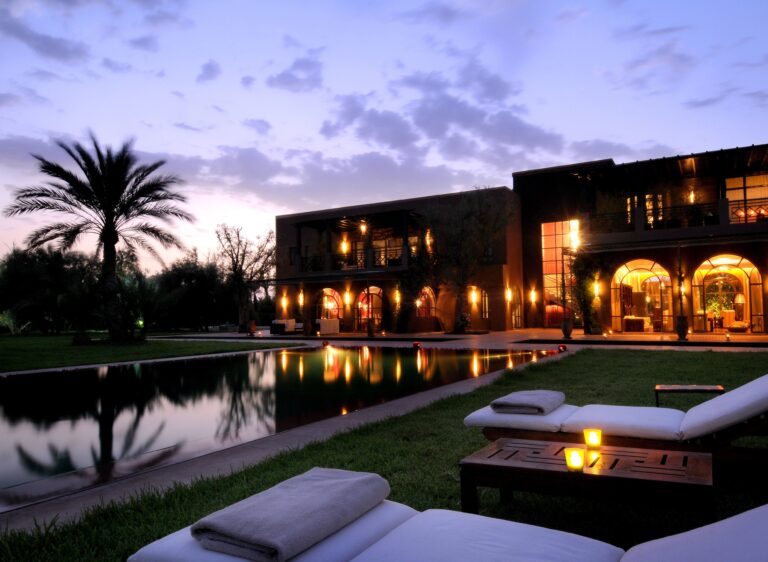
A riad is a traditional Moroccan house with an interior garden or courtyard. Staying in one is an essential part of the Marrakech experience, offering a sanctuary of calm in the heart of the Medina.
Why it’s worth visiting: The architecture, the personalized service, and the incredible breakfasts served on the terrace.
Best time to visit: Year-round, but especially cozy in winter with a fireplace.
Insider travel tip: Look for riads with only 5-10 rooms for the most intimate and authentic experience.
Travel Tips for First-Time Visitors
- Dress Respectfully: While Marrakech is cosmopolitan, it is still a conservative city. Covering shoulders and knees is appreciated.
- Learn Basic Arabic/French: “Salam Alaykum” (Hello) and “Shukran” (Thank you) go a long way. French is widely spoken.
- Cash is King: While hotels and high-end restaurants take cards, the souks and small cafés are cash-only.
- Stay Hydrated: Only drink bottled or filtered water.
- Friday is Holy: Many shops in the souks close on Friday afternoons for prayer.
Best Time to Visit Marrakech
The best times to visit are Spring (March to May) and Autumn (September to November). During these months, the weather is warm but not scorching, making it perfect for exploring the city and the mountains. Summer (July and August) can see temperatures exceeding 40°C (104°F), which can be grueling for sightseeing.
How to Get Around Marrakech
The Medina is best explored on foot. For longer distances, use “Petit Taxis” (small beige cars)—ensure they turn on the meter or agree on a price beforehand. “Grand Taxis” are better for groups or trips outside the city. In 2026, Marrakech continues to expand its eco-friendly bus network and electric bike-sharing programs.
Where to Stay in Marrakech
- Luxury: Royal Mansour or La Mamounia – The pinnacle of Moroccan craftsmanship and service.
- Mid-range: Riad Kniza or El Fenn – Stylish, comfortable, and deeply authentic.
- Budget: Riad Dia or Equity Point – Social atmospheres and great locations for a fraction of the price.
Frequently Asked Questions
1. Is Marrakech safe for solo female travelers?
Yes, but it requires awareness. Dress modestly, avoid walking alone in quiet alleys late at night, and be firm but polite with unwanted attention.
2. Do I need a visa for Morocco?
Many nationalities (including US, UK, EU, Canada) do not need a visa for stays up to 90 days. Check current 2026 regulations before travel.
3. Can I drink alcohol in Marrakech?
Yes, alcohol is available in licensed hotels, riads, and restaurants, though it is not served in most local establishments.
4. What is the currency?
The Moroccan Dirham (MAD). It is a closed currency, so you can only get it once you arrive in Morocco.
5. Is the water safe to drink?
It is recommended to stick to bottled or filtered water to avoid stomach upsets.
6. How much should I tip?
Tipping is customary. 10% in restaurants and a few dirhams for small services is standard.
7. Is English widely spoken?
In tourist areas, yes. However, French and Arabic are the primary languages.
8. Can I visit mosques as a non-Muslim?
Most mosques in Morocco are closed to non-Muslims, with the notable exception of the Hassan II Mosque in Casablanca.
Conclusion
Marrakech is a city that demands your full attention and rewards you with memories that last a lifetime. From the sensory explosion of Jemaa el-Fnaa to the serene beauty of the Atlas Mountains, it is a destination that truly has it all. As you plan your 2026 adventure, remember to embrace the chaos, savor the flavors, and let the magic of the Red City unfold. Ready to start your journey? Check out our guide to the Best Places to Visit in Morocco to expand your itinerary!
For more official travel information, visit the Moroccan National Tourism Office or check the latest updates on Lonely Planet Marrakech.