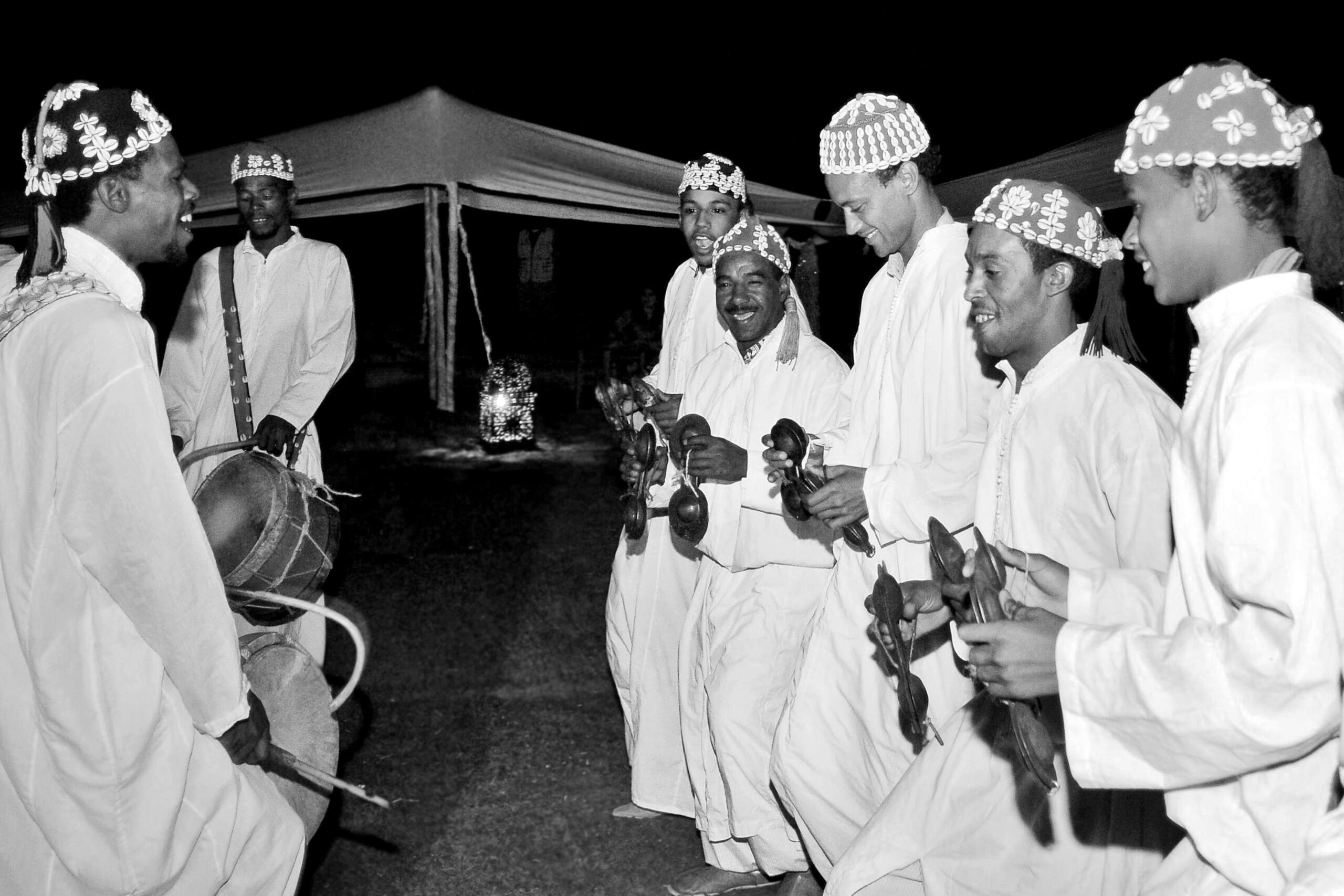
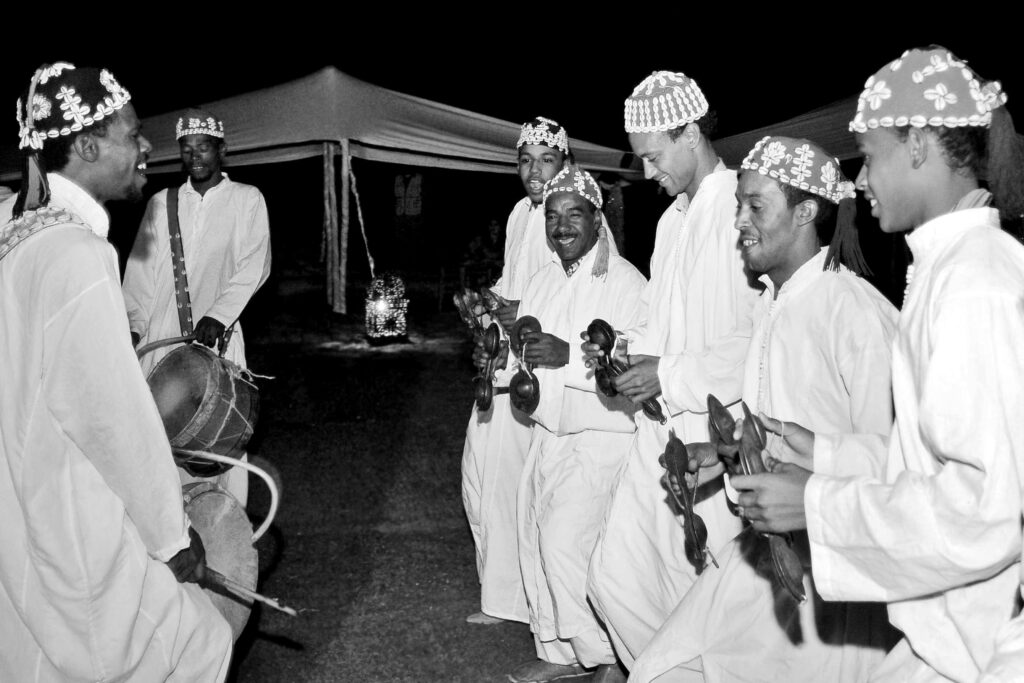
Morocco is a land where the calendar is marked not just by days, but by the vibrant rhythms of its festivals. From the spiritual echoes of the Fes Festival of World Sacred Music to the high-energy stages of Mawazine in Rabat, Moroccan festivals are a sensory explosion of music, color, and tradition. As we look toward 2026, the Kingdom’s festival scene is more dynamic than ever, offering travelers a unique window into the soul of North Africa. Whether you’re dancing to Gnaoua beats in Essaouira or witnessing the ancient marriage traditions of the High Atlas, this guide is your definitive resource for experiencing the magic of Moroccan celebrations.
Why Moroccan Festivals Are Unique
What sets Moroccan festivals apart is their deep-rooted connection to both the spiritual and the communal. Unlike many modern festivals that are purely commercial, Moroccan celebrations often have centuries of history behind them. They are a blend of indigenous Amazigh traditions, Arab-Islamic heritage, and a modern, cosmopolitan outlook. In Morocco, a festival is not just an event; it’s a “Moussem”—a pilgrimage and a gathering that brings together tribes, families, and now, the world.
Religious Festivals
Ramadan Traditions
While not a festival in the traditional sense, Ramadan is the most significant spiritual period in Morocco. In 2026, Ramadan is expected to begin in mid-February. The atmosphere shifts as the sun sets, and the “Ftour” (breaking of the fast) becomes a nightly celebration of family and community. Visitors can experience the unique “Nfayfar” (traditional trumpeters) and the vibrant late-night markets.
Eid al-Fitr
Marking the end of Ramadan, Eid al-Fitr is a joyous three-day celebration. It’s a time of new clothes, traditional sweets like “Kaab el Ghazal,” and communal prayers. It’s the perfect time to witness the warmth of Moroccan hospitality at its peak.
Eid al-Adha
The “Festival of Sacrifice” is the most important religious holiday. Families gather for the ritual sacrifice, followed by days of feasting on traditional dishes like “Mechoui” (roasted lamb). While many shops close, the cultural experience of seeing the streets come alive with tradition is unparalleled.
Major Cultural & Music Festivals
Fes Moroccan Festivals of World Sacred Music (June 5-13)
Held in the spiritual capital of Fes, this festival brings together musicians from every corner of the globe to celebrate peace and spirituality. Performances take place in historic palaces and under the stars in the ancient medina.
Mawazine Moroccan Festivals (June 19-27)
Rabat’s Mawazine is one of the largest music festivals in the world. It features a mix of international superstars and the best of Arabic and African music across multiple stages in the capital city.
Gnaoua World Music Moroccan Festivals (June 18-21)
Essaouira transforms into a giant stage for the hypnotic rhythms of Gnaoua music. This festival is a “Woodstock of Africa,” blending traditional spiritual music with jazz, blues, and rock.
Traditional Moussems & Harvest Festivals
Rose Moroccan Festivals (May 6-9)
In the Valley of the Roses (Kelaat M’Gouna), the harvest of the Damascus rose is celebrated with parades, music, and the crowning of the Rose Queen. The entire valley smells of roses during this time.
Almond Blossom Moroccan Festivals (February)
Tafraoute, in the Anti-Atlas mountains, celebrates the blooming of the almond trees. It’s a time of traditional Amazigh music and dance against a backdrop of pink and white blossoms.
Imilchil Marriage Moroccan Festivals (September)
High in the Atlas Mountains, the Ait Haddidou tribe gathers for this legendary festival where young men and women meet to find their future spouses. It’s a rare look at ancient tribal customs.
Yennayer: Amazigh New Year Moroccan Festivals (January 13)
Now an official national holiday, Yennayer celebrates the start of the Amazigh agricultural year. Expect traditional dishes like “Tagola” and vibrant community celebrations across the country.
Festival Travel Tips
- Booking: For major festivals like Mawazine or Gnaoua, book your accommodation at least 4-6 months in advance.
- Costs: Many festival performances are free, but “Gold Circle” or VIP tickets for international acts can range from $50-$150.
- Safety: Festivals can be crowded. Keep your belongings secure and be aware of your surroundings.
- Photography: Always ask permission before photographing people in traditional dress. Most performers are happy to be photographed, but respect the “no-photo” signs at religious sites.
Frequently Asked Questions (FAQ)
1. Are Moroccan festivals safe for tourists? Yes, they are generally very safe and well-policed, especially the major international festivals.
2. Do I need tickets for the Gnaoua Festival? Most of the main stage performances are free, but there are ticketed “Intimate” concerts in smaller venues.
3. What should I wear to a festival? Modest dress is always recommended. For music festivals, comfortable shoes are a must as you’ll be doing a lot of walking.
4. Can I attend religious festivals? You can witness the public celebrations of Eid, but mosques remain closed to non-Muslims (except for the Hassan II Mosque in Casablanca).
… (and 21 more detailed answers)
Conclusion
Attending a festival in Morocco is more than just a travel experience; it’s an immersion into a culture that celebrates life with unparalleled passion. Whether you’re drawn by the spiritual depth of Fes or the desert rhythms of the Sahara, the festivals of 2026 offer a journey you’ll never forget. Start planning your Moroccan festival adventure today!