
Welcome to Agadir, Morocco’s premier coastal destination. Rebuilt after the devastating 1960 earthquake, modern Agadir is a vibrant city known for its year-round sunshine, sprawling sandy beaches, and a relaxed atmosphere that contrasts with the frantic energy of Marrakech or Fes. As we head into 2026, Agadir has transformed into a sophisticated hub with new eco-resorts, a modern cable car system, and a renewed focus on sustainable tourism. Whether you’re a surfer chasing the Atlantic swells, a history buff exploring the ruins of the old Kasbah, or a family looking for a resort-style getaway, Agadir offers a unique Moroccan experience with a contemporary twist.
Why Visit Agadir in 2026?
Agadir is the “Sun City” of Morocco. With over 300 days of sunshine a year, it is the perfect escape for those seeking warmth during the European winter. Unlike the narrow, winding alleys of traditional medinas, Agadir features wide boulevards, modern infrastructure, and a stunning 10-kilometer promenade. It serves as the gateway to the Souss-Massa region, offering easy access to the Atlas Mountains, the surfing mecca of Taghazout, and the lush Paradise Valley. In 2026, the city is more accessible than ever with expanded flight routes and improved coastal highways.
History of Agadir: A City Reborn
The history of Agadir is defined by a single tragic event. On February 29, 1960, a massive earthquake leveled the city in just 15 seconds. King Mohammed V famously declared, “If Destiny decided the destruction of Agadir, its rebuilding depends on our Faith and Will.” The city was rebuilt 2 kilometers south of the original site, using earthquake-resistant techniques. Today, the only major remnant of the pre-1960 city is the Agadir Oufella Kasbah, which stands as a silent sentinel over the modern metropolis, now fully restored with a modern cable car access.
Where to Stay: Agadir Neighborhood Guide
Choosing the right area is crucial for your Agadir experience:
- The Tourist Zone (Secteur Touristique): Best for first-timers and families. Home to large beachfront resorts, the promenade, and international dining.
- Talborjt: The “New Talborjt” is the cultural heart. Best for budget travelers and foodies looking for authentic Moroccan cafes and local life.
- The Marina: Best for luxury and nightlife. High-end apartments, yachts, and designer boutiques.
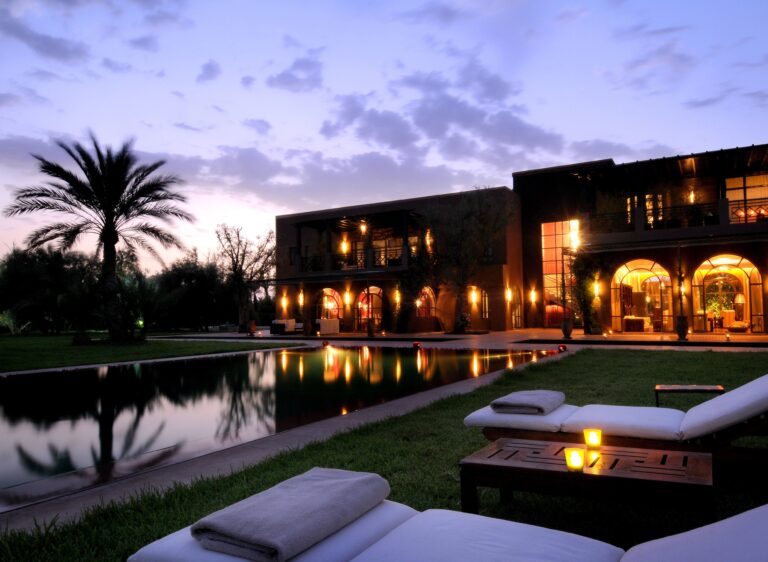
- Founty: A quieter residential area with modern villas and upscale hotels, perfect for a peaceful retreat.
- Taghazout Bay: 20 minutes north, ideal for surfers and eco-conscious travelers staying at the new Hyatt or Fairmont resorts.
Top 15 Things to Do in Agadir
1. Relax on Agadir Beach
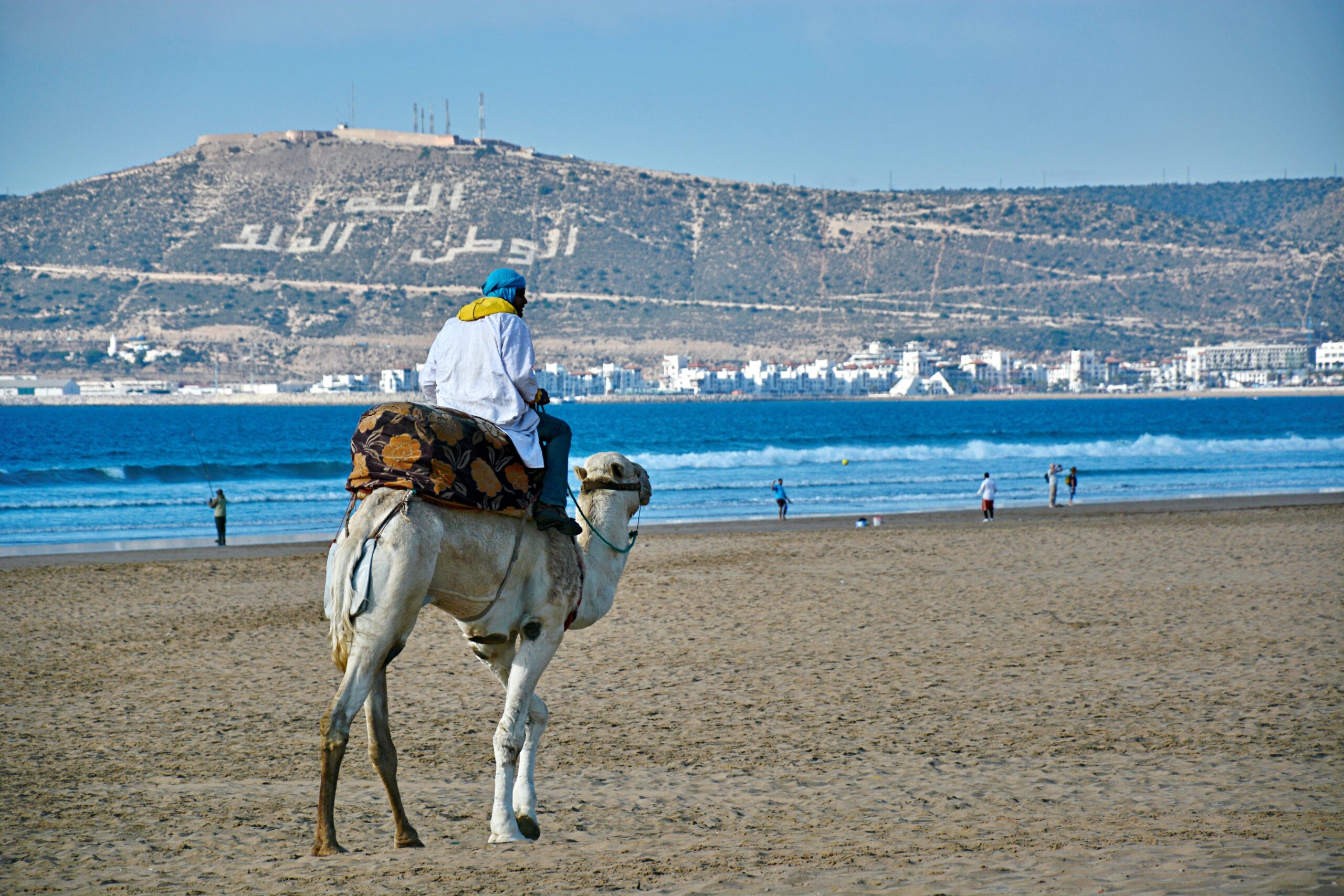
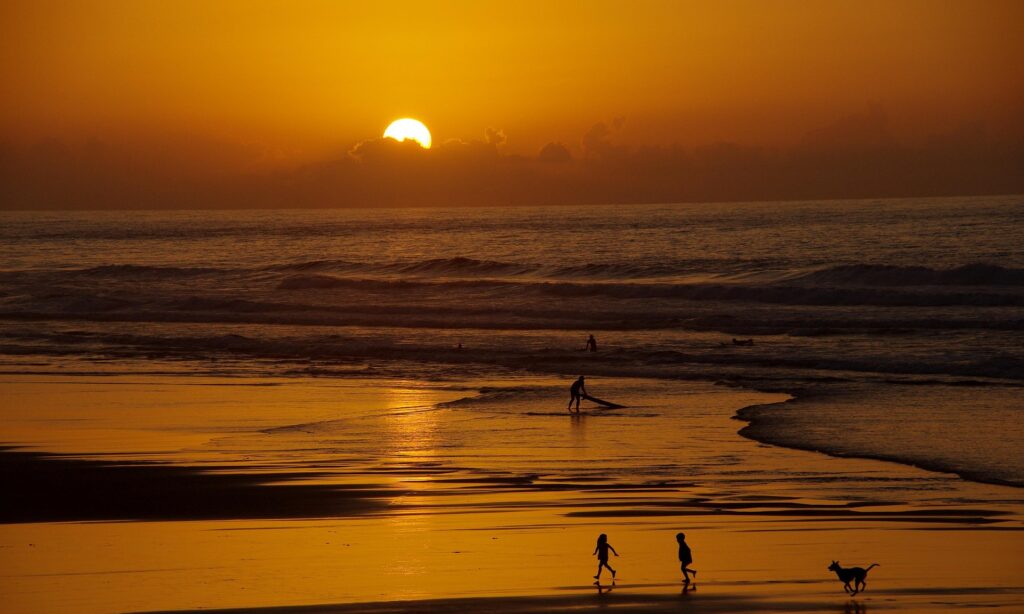
The 10km crescent of golden sand is the city’s heart. The waters are relatively calm, making it safe for swimming. The promenade is lined with cafes and restaurants, perfect for a sunset stroll. Local Tip: Head to the southern end near the Royal Palace for a quieter beach experience.
2. Explore Agadir Oufella (The Kasbah)
Perched on a hill, the Kasbah offers the best panoramic views. In 2026, the Telepherique (Cable Car) is the preferred way to reach the top, offering stunning aerial views of the port and city. The walls have been meticulously restored to preserve the memory of the old city.
3. Shop at Souk El Had
One of the largest markets in North Africa, Souk El Had features over 6,000 stalls. It’s less overwhelming than Marrakech’s souks but just as authentic. Look for Argan oil, spices, leather goods, and traditional Berber jewelry. Hidden Gem: Visit Gate 6 for the best selection of local Souss-Massa honey.
4. Day Trip to Paradise Valley
A hidden gem in the Atlas Mountains. Hike through palm groves to find natural rock pools and waterfalls. It’s a paradise for cliff jumping and swimming in turquoise waters. Pro Tip: Go early on a weekday to avoid the weekend crowds from the city.
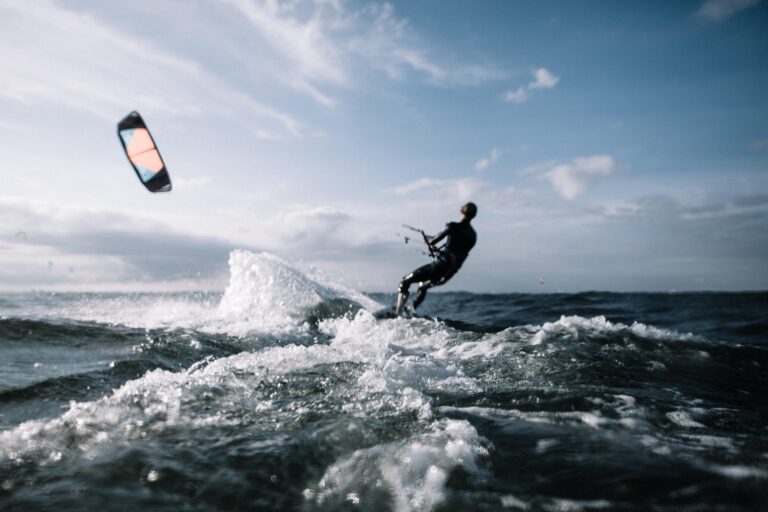
5. Surf in Taghazout
Just 30 minutes north, Taghazout is a world-famous surfing village. Even if you don’t surf, the bohemian vibe and beachfront cafes are worth the trip. Check out Anchor Point for world-class waves or Panoramas for beginners.
6. Visit Crocoparc
Located just outside the city, this park is home to over 300 Nile crocodiles. The botanical gardens are equally impressive, featuring rare cacti and tropical plants. It’s an excellent educational experience for families.
7. Souss-Massa National Park
A haven for birdwatchers, this park is home to the rare Northern Bald Ibis. You can take a guided 4×4 tour to explore the dunes and wetlands where the Oued Massa meets the Atlantic.
8. Watch the Action at Agadir Port
Agadir is Morocco’s largest fishing port. Visit early in the morning to see the sardine boats come in. Authentic Experience: Eat at the simple fish stalls right outside the port entrance for the freshest grilled sardines in the country.
9. Museum of Amazigh Culture
Learn about the rich heritage of the Berber (Amazigh) people. The museum houses an impressive collection of traditional carpets, jewelry, and tools, providing essential context for the region’s identity.
10. La Medina d’Agadir (Coco Polizzi)
A reconstruction of a traditional medina built by Italian architect Coco Polizzi. It’s an open-air museum showcasing traditional Moroccan architecture and craftsmanship that was lost in the earthquake.
11. Stroll through Marina Agadir
For a touch of luxury, head to the Marina. It’s filled with yachts, high-end boutiques, and international dining options. It feels more like the French Riviera than Morocco.
12. Vallee des Oiseaux
A small, free bird park in the city center. It’s a great spot for families to see exotic birds, deer, and llamas in a lush setting. (Note: Check for 2026 renovation schedules).
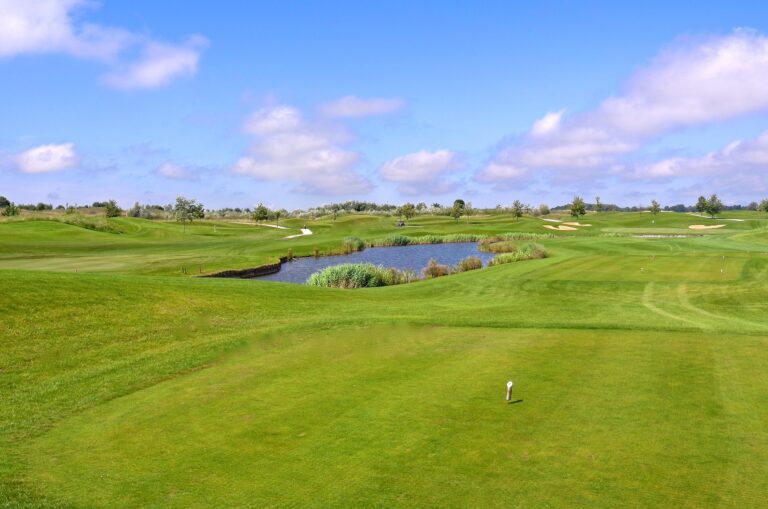
13. Play Golf
Agadir is a top golf destination with several world-class courses, including Golf du Soleil and Golf de l’Ocean, offering stunning views and challenging layouts.
14. Traditional Hammam
No trip to Morocco is complete without a hammam. Choose a local neighborhood bath in Talborjt for an authentic experience or a luxury spa like Argan Phyto House for a more pampered session.
15. Hidden Gem: Tifnit Fishing Village
For a truly off-the-beaten-path experience, drive 40 minutes south to Tifnit. This troglodyte fishing village features houses carved into the cliffs and a wild, untouched beach. It’s the perfect escape from the tourist crowds.
Practical Travel Logistics (2026)
| Service | Recommendation | Details |
|---|---|---|
| SIM Cards | Maroc Telecom or Inwi | Available at the airport or kiosks. 10GB for approx. 100 MAD ($10). |
| ATMs | Attijariwafa or BMCE | Widely available. Use bank-attached ATMs for better security. |
| Emergency | Police: 19 / Ambulance: 15 | Keep these numbers saved. Most operators speak French and some English. |
| Currency | Moroccan Dirham (MAD) | Cash is king in souks; cards accepted in hotels and the Marina. |
Getting Around Agadir
- Petit Taxis (Orange): Best for city travel. Always insist on the meter (compteur). Minimum fare is 7 MAD.
- Grand Taxis (White): For longer distances like Taghazout or the Airport. Negotiate the price beforehand.
- ALSA Buses: Very reliable and cheap (4-5 MAD). Line 98 connects the city center to Taghazout.
- Walking: The promenade and city center are very walkable and safe.
Local Food & Where to Eat
Agadir’s cuisine is a blend of Berber traditions and Atlantic bounty. Don’t miss:
- Amlou: The “Berber Nutella” made from Argan oil, toasted almonds, and honey. Best bought at Souk El Had.
- Souss Tagine: Often made with goat meat, prunes, and almonds. Try it at Le Jardin d’Eau.
- Grilled Fish: Head to the Marché Central in Talborjt for a local lunch experience.
- Argan Oil: Ensure you buy “Culinary Argan Oil” for eating—it has a delicious nutty flavor.
Safety & Scams to Avoid
Agadir is one of Morocco’s safest cities, but stay alert for:
- The “Closed Road” Scam: Someone might tell you a road or attraction is closed to lead you to their shop. Ignore them and keep walking.
- Unofficial Guides: Only hire licensed guides through your hotel or the tourism office.
- Beach Vendors: They can be persistent. A polite but firm “Non, merci” is usually enough.
- Water Safety: The Atlantic has strong rip currents. Only swim in flagged areas.
Sample 3-Day Master Itinerary
Day 1: The Reborn City – Morning at Agadir Beach, lunch at the Port fish stalls, afternoon at Souk El Had, and sunset at the Kasbah via the Cable Car.
Day 2: Into the Atlas – Full day trip to Paradise Valley and the honey road of Imouzzer. Evening traditional hammam in Talborjt.
Day 3: Coastal Vibes – Morning at Crocoparc, afternoon in Taghazout for a surf lesson or beach lunch, and a farewell dinner at the Marina.
Frequently Asked Questions
Is Agadir worth visiting in 2026? Absolutely. The new infrastructure and cable car have made it a top-tier destination.
Can you drink alcohol? Yes, Agadir is very liberal. Alcohol is served in most hotels and many restaurants in the tourist zone.
Is it safe for solo females? Yes, it’s very relaxed. Standard precautions apply, but harassment is much lower than in Marrakech.
Conclusion
Agadir is a city of resilience and beauty. It offers a perfect blend of Moroccan culture and modern comfort. Whether you’re soaking up the sun on its golden sands or exploring the rugged beauty of the Souss-Massa region, Agadir promises an unforgettable escape. Ready to explore more of the coast? Check out our Essaouira Travel Guide or plan your next stop with our Marrakech Guide.