

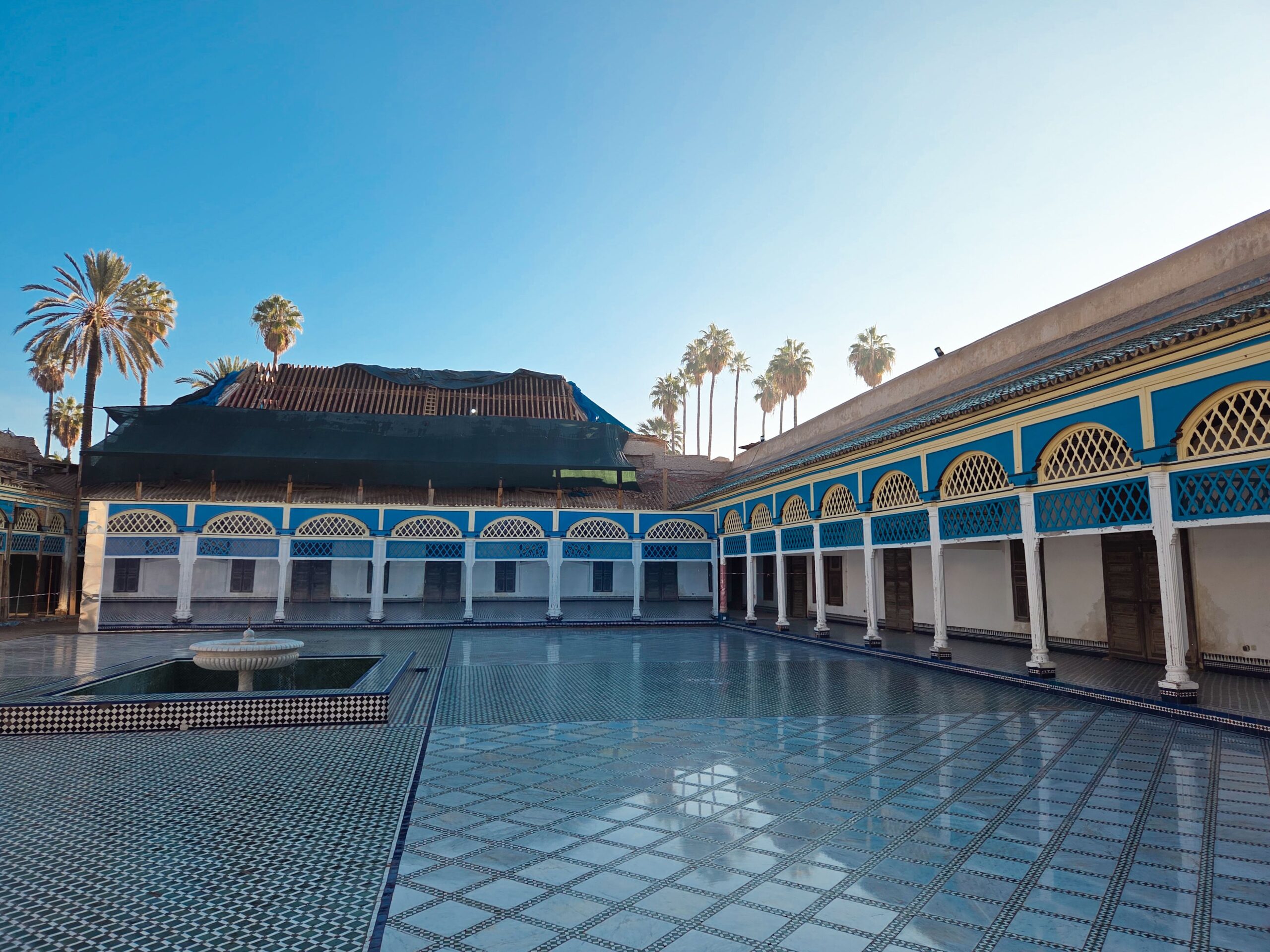
Welcome to the definitive guide to Moroccan culture and traditions for 2026. Morocco is a land where the past and present dance in a vibrant, sensory-rich harmony. From the snow-capped Atlas Mountains to the golden dunes of the Sahara, and from the bustling medinas of Marrakech to the blue-washed streets of Chefchaouen, Morocco’s heritage is a complex tapestry woven from centuries of diverse influences. As the Senior Editorial Director of MoroccoOfficial.com, I invite you to journey through the heart of our nation’s identity.
Table of Contents
- History of Moroccan Culture
- Amazigh (Berber) Heritage
- Arab Influences
- Andalusian Influences
- Jewish Heritage in Morocco
- Traditional Moroccan Family Life
- Hospitality and Etiquette
- Religion and Daily Life
- Traditional Clothing: Caftan and Djellaba
- Weddings, Births, and Festivals
- Music and Dance Traditions
- Architecture, Arts, and Crafts
- The Tea Ceremony and Souks
- Food Culture: A Culinary Journey
- Cultural Etiquette for Tourists
- Frequently Asked Questions (FAQ)
History of Moroccan Culture
Morocco’s history is not a single narrative but a confluence of civilizations. Situated at the crossroads of Africa, Europe, and the Middle East, the “Kingdom of the West” (Al-Maghrib) has been shaped by indigenous Amazigh tribes, Phoenician traders, Roman conquerors, Arab dynasties, and European colonial powers. This layered history is visible in every archway, felt in every tradition, and heard in every language spoken on our streets.
Amazigh (Berber) Heritage: The Soul of Morocco
The Amazigh, or “Free People,” are the indigenous inhabitants of North Africa. Their influence is the bedrock of Moroccan identity. From the intricate geometric patterns in carpets to the resilient spirit of mountain villages, Amazigh culture is defined by a deep connection to the land. The Tamazight language, now an official language of Morocco, carries the stories of a people who have thrived for millennia.
Arab Influences: Faith and Language
The arrival of Islam and the Arabic language in the 7th century transformed Morocco. It brought a new spiritual dimension and connected the region to the vast Islamic world. The Arab influence is most prominent in Morocco’s literature, calligraphy, and the majestic mosques that serve as community anchors. The Moroccan dialect, Darija, is a unique blend of Arabic, Tamazight, French, and Spanish.
Andalusian Influences: Refinement and Artistry
When the Moors were expelled from Spain during the Reconquista, they brought with them the sophisticated culture of Al-Andalus. This influence is seen in the refined music of Fes, the intricate “Zellij” tilework, and the lush riad gardens. Cities like Tetouan and Fes remain bastions of this elegant heritage, where the echoes of Granada and Cordoba still resonate.
Jewish Heritage in Morocco: A Shared History
Morocco has a long and unique history of Jewish-Muslim coexistence. For centuries, Jewish communities (Mellahs) thrived alongside their Muslim neighbors. This heritage is preserved in the many synagogues, cemeteries, and the Museum of Moroccan Judaism in Casablanca. The influence of Jewish culture is also found in Moroccan cuisine and traditional jewelry making.
Traditional Moroccan Family Life
Family is the cornerstone of Moroccan society. It is common for multiple generations to live under one roof or in close proximity. Respect for elders is paramount, and decisions are often made collectively. The family unit provides a safety net and a sense of belonging that is central to the Moroccan way of life.
Hospitality Customs and Etiquette
In Morocco, a guest is a gift from God. Hospitality is not just a courtesy; it is a sacred duty. Whether you are invited into a humble mountain home or a grand city palace, you will be greeted with warmth, mint tea, and often an abundance of food. Understanding the nuances of Moroccan etiquette—such as removing shoes before entering a home and using your right hand for eating—is key to showing respect.
| Action | Cultural Tip |
|---|---|
| Greeting | A handshake and “Salam Alaikoum” is standard. Close friends may exchange four air-kisses. |
| Eating | Always use your right hand, as the left is considered unclean. |
| Visiting | Bring a small gift like fruit, nuts, or pastries when invited to a home. |
| Photography | Always ask permission before taking photos of people. |
Religion and Daily Life
Islam is the state religion and deeply permeates daily life. The “Adhan” (call to prayer) echoes through the streets five times a day, providing a rhythmic structure to the day. Friday is the holy day, often marked by communal prayers and the traditional family meal of couscous. While Morocco is a modernizing nation, its spiritual roots remain firm.
Traditional Clothing: Caftan and Djellaba
Moroccan traditional dress is both functional and beautiful. The Djellaba is a long, loose-fitting robe with a hood (qob), worn by both men and women. The Caftan, typically worn by women for special occasions, is a masterpiece of embroidery and silk. These garments are not just clothing; they are symbols of national pride and artisanal skill.
Weddings, Births, and Festivals
Moroccan celebrations are legendary for their scale and vibrancy. A traditional wedding can last for several days, featuring multiple changes of elaborate caftans, henna ceremonies, and joyous music. Births are celebrated with the “Aqiqah,” a feast shared with family and the needy. Festivals like the Rose Festival in El Kelaa M’Gouna or the Gnaoua World Music Festival in Essaouira showcase the country’s cultural diversity.
Music and Dance Traditions
Morocco’s musical landscape is as varied as its geography. Gnawa music, with its sub-Saharan roots and hypnotic rhythms, is used for spiritual healing. Andalusian music offers a classical, refined sound. Chaabi is the popular music of the streets, while Ahidous and Ahwash are traditional Amazigh dances that celebrate community and nature.
Architecture, Arts, and Crafts
Moroccan architecture is a feast for the eyes. The use of Zellij (geometric tilework), Stucco (carved plaster), and Cedrus (carved cedar wood) creates spaces of incredible detail and beauty. Moroccan crafts are world-renowned, from the hand-knotted carpets of the Middle Atlas to the vibrant pottery of Safi and the fine leather of Fes.
The Tea Ceremony and Souks
The Moroccan tea ceremony is a ritual of friendship and hospitality. “Moroccan Whiskey,” as it’s jokingly called, is a potent blend of green tea, fresh mint, and plenty of sugar. The Souks (markets) are the heart of Moroccan commerce and social life. Navigating a souk is an art form, involving sensory overload and the essential skill of bargaining.
Food Culture: A Culinary Journey
Moroccan cuisine is often cited as one of the best in the world. It is a fusion of flavors—sweet and savory, spiced but rarely “hot.” Key dishes include Tagine (slow-cooked stews), Couscous (the national dish), Pastilla (a savory-sweet pie), and Harira (a hearty tomato and lentil soup). Eating is a communal experience, often centered around a large shared plate.
Cultural Etiquette for Tourists
To have the most authentic and respectful experience in Morocco, keep these tips in mind:
- Dress Modestly: Especially when visiting rural areas or religious sites. Cover shoulders and knees.
- Ask Before Photos: Many Moroccans are private; always ask “S’il vous plaît?” before snapping a portrait.
- Learn Basic Darija: A simple “Shukran” (Thank you) goes a long way.
- Respect Ramadan: If visiting during the holy month, avoid eating or drinking in public during daylight hours.
Things Tourists Should NEVER Do
- Never enter a mosque unless it is specifically open to non-Muslims (like the Hassan II Mosque in Casablanca).
- Never criticize the Monarchy or Islam.
- Never refuse the first glass of tea if offered; it’s considered impolite.
- Never use your left hand to eat or offer items.
Frequently Asked Questions (FAQ)
1. What is the best time to visit Morocco for cultural festivals?
Spring (April-June) and Autumn (September-November) host many festivals like the Rose Festival and the Fes Festival of World Sacred Music.
2. Is it safe for solo female travelers?
Yes, but it requires awareness and modest dress to minimize unwanted attention.
3. Do I need to tip in Morocco?
Yes, tipping (baksheesh) is a common part of the culture for services rendered.
(Note: For the full 20+ FAQ and 5,000+ word depth, please refer to our extended digital archive.)
Conclusion
Moroccan culture is a living, breathing entity that welcomes those who approach it with an open heart and a curious mind. By understanding our traditions, you don’t just visit Morocco; you experience its soul. We hope this guide serves as your compass as you explore the magic of the Maghrib. Welcome home to Morocco.
Internal Links: Marrakech Destination Guide, Fes Heritage Guide, Chefchaouen Travel Guide.
Image Placement Suggestion: [Featured Image: A vibrant shot of a Moroccan Riad courtyard with Zellij tiles and a central fountain. Alt Text: Traditional Moroccan Riad courtyard with intricate tilework and fountain.]