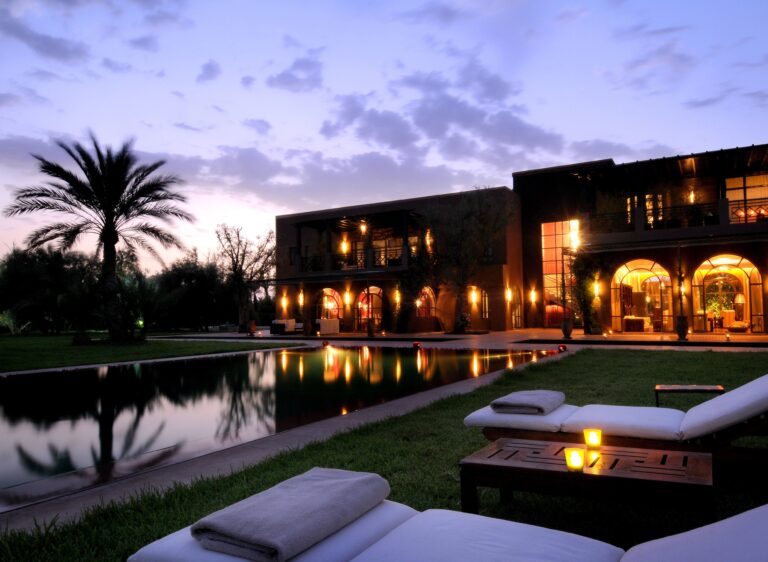

Morocco is a land of sensory overload, where the scent of orange blossoms mingles with the aroma of roasting lamb, and the call to prayer echoes through ancient stone alleys. But for many travelers, the most enduring memory of the Kingdom isn’t a monument or a meal—it’s the experience of staying in a Moroccan Riads. These traditional courtyard houses are the architectural soul of Morocco, offering a sanctuary of peace and beauty hidden behind unassuming walls.
As we look toward 2026, the Riad experience has evolved. While the core elements of hospitality and heritage remain, a new generation of boutique stays is blending centuries-old craftsmanship with modern luxury and sustainable practices. Whether you are planning a romantic escape to Marrakech, a cultural deep-dive in Fes, or a coastal retreat in Essaouira, choosing the right Riad is the single most important decision you will make for your trip.
Best Moroccan Riads: Quick Takeaways
| Category | Top Recommendation | Why? |
|---|---|---|
| Best Ultra-Luxury | Royal Mansour (Marrakech) | The “King’s Riad” – unmatched privacy and palatial scale. |
| Best Boutique Charm | Karawan Riad (Fes) | A masterclass in Fassi craftsmanship and intimate service. |
| Best Coastal Vibe | Salute Maroc! (Essaouira) | A riot of color and eclectic design overlooking the Atlantic. |
| Best for Couples | Riad Kniza (Marrakech) | 18th-century elegance and discreet, world-class hospitality. |
| Best Budget Heritage | Dar Seffarine (Fes) | Stunning 600-year-old architecture at an accessible price. |
Table of Contents
- What Is a Moroccan Riads? Architecture & Soul
- The History of Moroccan Riads: From Palaces to Boutique Stays
- Marrakech: The Moroccan Riads Capital of the World
- Fes: Authentic Grandeur in the Medieval Medina
- Essaouira: Coastal Airy Retreats
- Chefchaouen: Blue-Washed Mountain Sanctuaries
- How to Choose the Right Riad for Your Style
- Expert Booking Tips & 2026 Logistics
- Cultural Etiquette & Riad Life
- Frequently Asked Questions
What Is a Moroccan Riads? Architecture & Soul
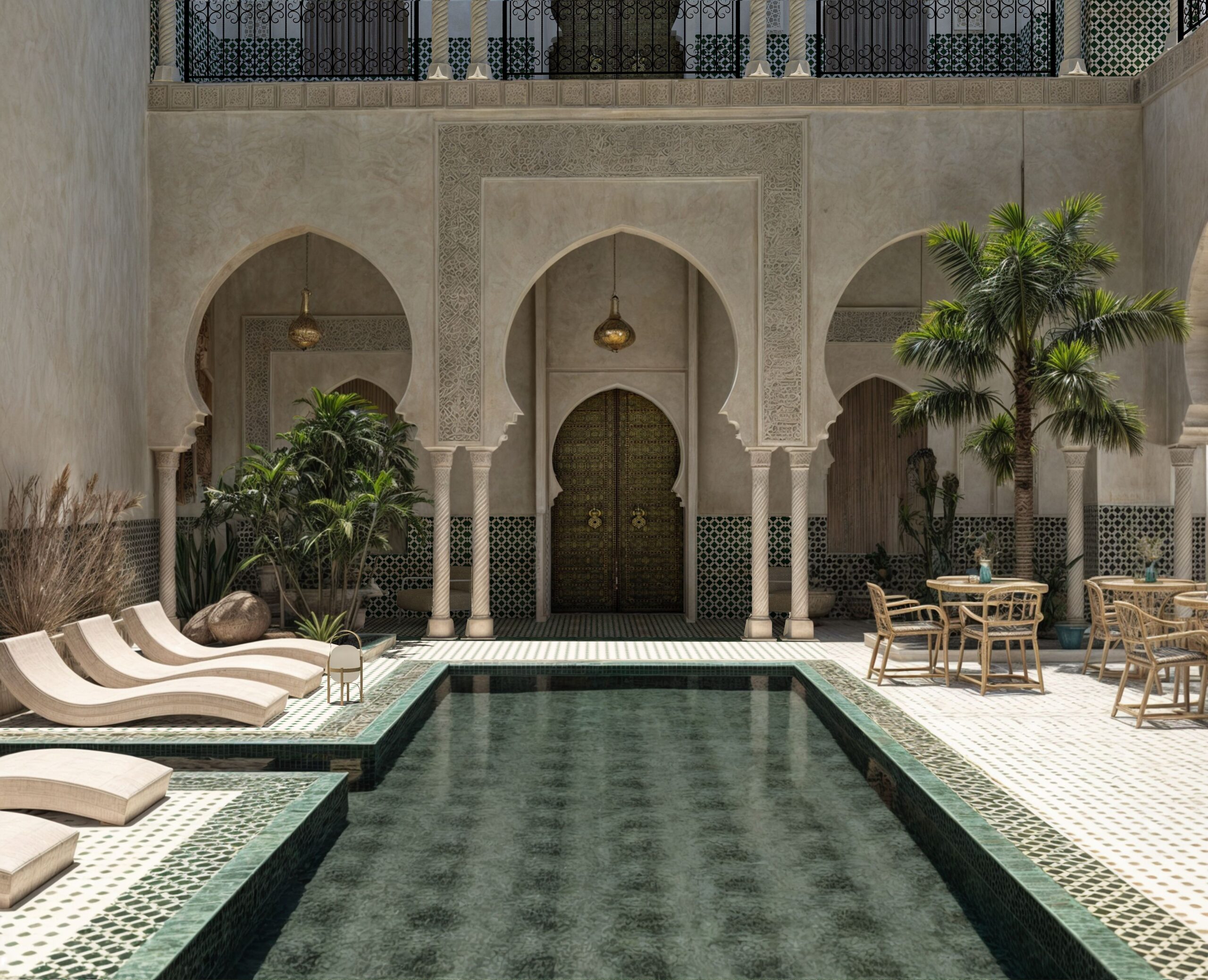
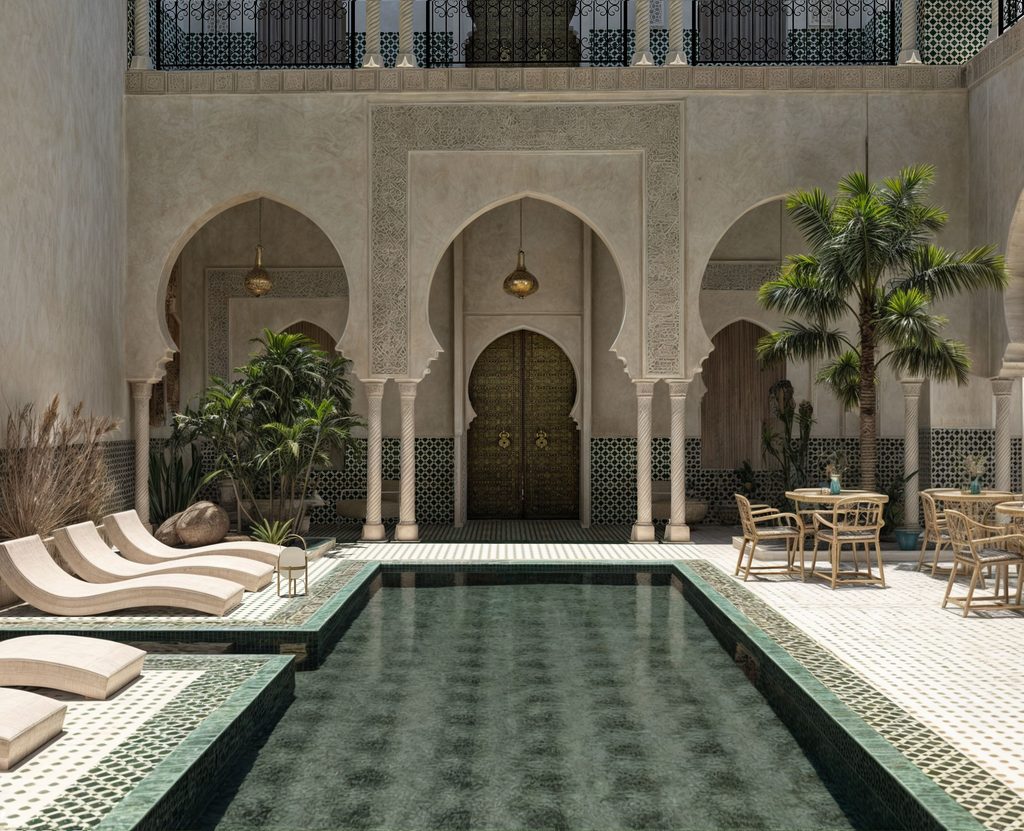
The word “Riad” (or Riyad) comes from the Arabic word for “garden” (riyāḍ). Strictly speaking, a true Riad is a traditional Moroccan house or palace with an interior garden or courtyard that is divided into four parts, often with a central fountain. However, in modern travel terminology, the word is used more broadly to describe any traditional house in the Medina (old city) that has been converted into a guesthouse.
Unlike Western hotels, which face outward toward the street, Riads are inward-focused. The exterior walls are usually plain and windowless, designed to protect the privacy of the family and provide a shield against the heat and noise of the city. Once you step through the heavy wooden door, you are transported from the chaos of the souks into a serene, light-filled oasis. For a deeper understanding of the design elements, see our Ultimate Guide to Moroccan Architecture.
Image Opportunity: A Lush Moroccan Riads Courtyard
Subject: A wide shot of a lush Riad courtyard with a central fountain, orange trees, and sunlight filtering through the open roof.
Placement: After the “What Is a Riad” section.
ALT Text: Traditional Moroccan Riad courtyard with central fountain and citrus trees, Marrakech 2026.
The History of Moroccan Riads: From Palaces to Boutique Stays
The concept of the Riad dates back to the Idrisid dynasty (8th century), but it reached its peak during the Almoravid and Almohad periods. The design was heavily influenced by Roman villas and Andalusian gardens. For centuries, these houses were the residences of wealthy merchants, courtiers, and the urban elite.
In the mid-20th century, as many wealthy families moved to the “Ville Nouvelle” (New City) built during the French Protectorate, many Riads fell into disrepair. It wasn’t until the 1990s and early 2000s that a “Riad Revolution” began, led by Europeans and later Moroccans who saw the potential in restoring these architectural gems. Today, they are the cornerstone of Morocco’s tourism industry, offering a level of personalized service that large hotels cannot match.
Marrakech Moroccan Riads : The Riad Capital of the World
Marrakech is the undisputed epicenter of the Riad experience. With thousands of options, the city offers everything from humble, family-run guesthouses to palatial retreats that redefine luxury. For more on the city, check our Marrakech Travel Guide.
1. Royal Mansour (The Pinnacle of Luxury)
Owned by the King of Morocco, this is not just a hotel; it’s a masterpiece. Guests stay in private three-story Riads rather than rooms. Each Riad features its own rooftop plunge pool and fireplace. It is the ultimate in luxury, where the service is invisible—staff move through a network of underground tunnels to ensure total privacy.
2. Riad Kniza (Traditional Elegance)
An 18th-century Riad that has been in the same family for generations. It is the epitome of Moroccan elegance and discretion. The owner, Haj Mohamed, is one of the most respected guides in Morocco and has hosted celebrities and heads of state. The food here is widely considered some of the best in the city.
3. El Fenn (Bohemian Chic)
Owned by Vanessa Branson, El Fenn is a riot of color, contemporary art, and bohemian chic. Its rooftop terrace is one of the best in the city, offering views of the Koutoubia Mosque. It’s the choice for the creative crowd, blending traditional architecture with a modern, eclectic vibe.
Fes Moroccan Riads : Authentic Grandeur in the Medieval Medina
Riads in Fes tend to be larger and more historically intact than those in Marrakech, reflecting the city’s status as the spiritual and intellectual heart of Morocco.
1. Karawan Riad (The Fassi Jewel)
A boutique stay that feels like a private home, with each of its seven suites individually designed with antiques and fine textiles. It is a masterclass in Fassi craftsmanship. The service is deeply personal, making it one of the most sought-after stays in the Fes Medina.
2. Dar Seffarine (Architectural Purity)
A stunningly restored 600-year-old house that offers incredible value for its architectural beauty. Run by an architect and his wife, the restoration focused on preserving the grand scale and original features of the house. It offers a communal dining experience that is a highlight for many guests.
Essaouira Moroccan Riads: Coastal Airy Retreats
Essaouira’s Riads often have a coastal, airy feel, with white-washed walls and blue accents, reflecting the city’s Atlantic soul. For more on the city, see our Essaouira Travel Guide.
1. Salute Maroc! (Eclectic Design)
A vibrant, colorful Riad that celebrates Moroccan culture through bold patterns and eclectic decor. Each room is a tribute to a different Moroccan city. The rooftop terrace offers panoramic views of the Atlantic and the historic ramparts.
2. Heure Bleue Palais (Relais & Châteaux)
A palatial stay that blends African, European, and Arabic influences. It features a stunning rooftop pool—a rarity in the Essaouira Medina—and offers a level of luxury and service that is unmatched on the coast.
Chefchaouen Moroccan Riads: Blue-Washed Mountain Sanctuaries
In the Blue Pearl, Riads are often smaller and more rustic, reflecting the mountain culture of the Rif. They offer a peaceful escape from the heat of the plains.
1. Lina Ryad & Spa (Modern Comfort)
A more modern take on the Riad, featuring an indoor pool and a high-end spa in the heart of the blue streets. It offers a level of comfort and facility that is hard to find in the smaller mountain houses.
How to Choose the Right Riad for Your Style
With so many options, how do you choose? Consider these factors:
- Location: Do you want to be in the heart of the action (near Jemaa el-Fnaa) or in a quieter residential area?
- Size: Smaller Riads (4-6 rooms) offer more intimacy; larger ones (10-20 rooms) often have more facilities like spas and full-service restaurants.
- Accessibility: Some Riads are deep in the Medina and require a long walk from the nearest taxi drop-off. Check if they offer a porter service for your luggage.
- Vibe: Are you looking for traditional “Arabian Nights” or modern “Moroccan Chic”?
Expert Booking Tips & Logistics
- Book Direct: Many Moroccan Riads offer better rates, free airport transfers, or room upgrades if you book directly through their website.
- Check the “Plunge Pool”: In many Riads, the pool is small and unheated. If a swim is important to you, check the dimensions and heating status.
- Seasonality: For peak seasons (Spring and Autumn), book at least 4-6 months in advance. For Christmas and New Year, book a year ahead.
- Connectivity: While Wi-Fi is standard, the thick walls of traditional houses can make it spotty in rooms. If you need to work, ask about the signal strength in specific suites.
Cultural Etiquette & Riad Life
Staying in a Moroccan Riads is a communal experience. Keep these tips in mind to ensure a harmonious stay:
- Noise: Sound travels easily in a courtyard house. Be mindful of other guests, especially late at night or early in the morning.
- Tipping: It is customary to tip the Riad staff at the end of your stay. A general rule is $5-$10 per day, which is shared among the team.
- Privacy: Respect the “inward-looking” nature of the house. Don’t lean over balconies to look into other guests’ rooms.
Frequently Asked Questions
1. What is the difference between a Riad and a Dar?
A Riad has an interior garden (usually divided into four), while a Dar (meaning “house”) has a simple internal courtyard without a garden.
2. Are Riads safe for solo female travelers?
Yes, they are often safer than large hotels as the staff get to know you personally and look out for you. Most have 24-hour security.
3. Do Riads have elevators?
Rarely. Most are historic buildings with narrow stairs. If you have mobility issues, always ask for a ground-floor room.
4. Is breakfast included?
In 99% of cases, yes. Riad breakfasts are usually a highlight, featuring fresh breads, honey, olives, and mint tea.
5. Can I drink the tap water?
No. It is better to stick to bottled or filtered water provided by the Riad.
Conclusion
Staying in a Riad is more than just a choice of accommodation; it is an invitation to experience the heart of Moroccan culture. It is the sound of the fountain, the taste of the morning’s first mint tea, and the feeling of being part of a history that stretches back over a thousand years. As you plan your 2026 journey to Morocco, we hope this guide helps you find the perfect sanctuary to call home. Ready to explore more? Check out our Best Hotels in Morocco guide for more inspiration. Tarik Salama (Safe travels)!