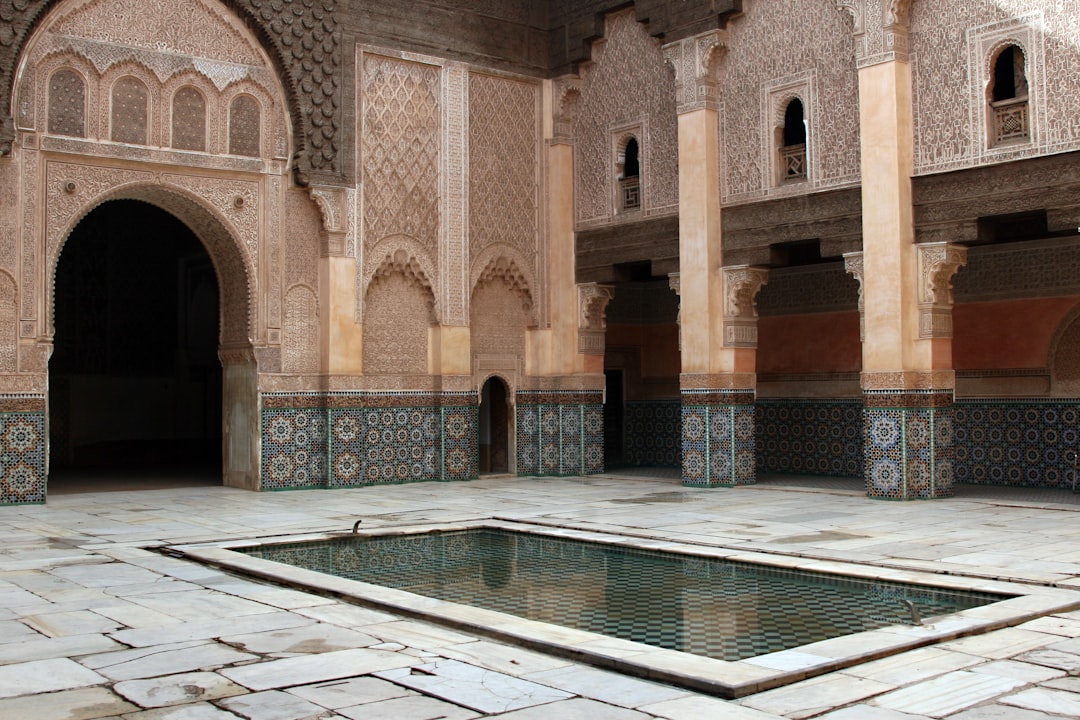
Morocco is a land that speaks to the senses. It is the vibrant hue of a spice pyramid in the Marrakech souks, the rhythmic call to prayer echoing across the rooftops of Fes, and the cooling touch of a marble fountain in a hidden riad. But for many travelers, the most profound sensory experience in the Kingdom isn’t found in a monument or a meal—it is found in the steam-filled chambers of the Moroccan Hammam. This ancient ritual of purification, social connection, and relaxation is the beating heart of Moroccan life, a tradition that has survived for centuries and remains as vital today as it was in the time of the sultans.
As we look toward 2026, the Moroccan Hammam experience has reached a new pinnacle. While the traditional neighborhood baths continue to serve as the social glue of local communities, a new wave of luxury spas is redefining the ritual for the modern traveler, blending ancestral wisdom with contemporary wellness practices. Whether you are seeking a raw, authentic experience in a 14th-century public bath or a pampered retreat in a palatial spa, understanding the nuances of the hammam is essential for any visitor to Morocco.
In this definitive guide, we explore everything you need to know about Moroccan Hammams in 2026. From the history and etiquette that define the ritual to a step-by-step guide to the experience and curated lists of the best hammams across the country, this is your ultimate resource for the perfect Moroccan bath.
Table of Contents
- The History of Moroccan Hammams
- Traditional vs Modern Hammams
- Step-by-Step Hammam Experience
- Public Hammams: The Local Soul
- Luxury Spa Hammams: The Royal Treatment
- Best Hammams in Marrakech
- Best Hammams in Fes
- Best Hammams in Casablanca
- Best Hammams in Rabat
- What to Bring to a Hammam
- Prices & Budgeting
- The Health Benefits of Hammam
- Moroccan Black Soap (Sabon Beldi)
- Ghassoul Clay: The Earth’s Gift
- Argan Oil Treatments
- Cultural Etiquette & Rules
- Safety Tips for Travelers
- Men vs Women Sessions
- Tips for First-Time Visitors
- Frequently Asked Questions (FAQ)
- Conclusion
The History of Moroccan Hammams
The Moroccan Hammam is a direct descendant of the Roman and Byzantine baths. When the Arabs expanded into North Africa in the 7th century, they adopted and adapted the bathing culture of the Romans, integrating it with Islamic requirements for ritual purification (Wudu and Ghusl). For centuries, the hammam was one of the five essential pillars of any Moroccan neighborhood, alongside the mosque, the bakery (furn), the school (madrasa), and the fountain (saqayya).
Historically, the hammam was more than just a place to get clean. In a society where private bathrooms were a luxury reserved for the elite, the public hammam was a vital utility. It was also a democratic space where the merchant and the laborer sat side-by-side in the steam. For women, in particular, the hammam was a rare space of freedom and social interaction outside the home, where news was shared, marriages were brokered, and community bonds were forged.
Traditional vs Modern Hammams
In 2026, travelers can choose between two distinct types of hammam experiences:
1. The Traditional Public Hammam (Hammam Beldi): These are the neighborhood baths used by locals. They are often historic buildings with vaulted ceilings and marble floors. The experience is raw, communal, and very affordable. You bring your own supplies, and you may be scrubbed by a “tayaba” (for women) or a “kessal” (for men) in a shared room. It is an authentic, no-frills deep dive into Moroccan culture.
2. The Luxury Spa Hammam: Found in high-end riads and international hotels, these offer a private, pampered version of the ritual. You will have a private room, high-quality organic products, and a therapist who guides you through the process. The atmosphere is one of tranquility and indulgence, often including massage and relaxation areas with mint tea and pastries.
Step-by-Step Hammam Experience
Whether public or private, the core ritual remains the same. Here is what to expect:
- The Warm-Up (The Hot Room): You enter a steam-filled room to allow your pores to open and your muscles to relax. In a traditional hammam, you will sit on the floor and pour warm water over yourself from buckets.
- The Application of Black Soap: You apply Sabon Beldi, a dark, olive-oil-based soap, all over your body. You leave it on for 5-10 minutes to soften the skin.
- The Rinse: You rinse off the soap thoroughly with warm water.
- The Scrub (The Kessa): This is the heart of the hammam. Using a Kessa (a rough exfoliating glove), the attendant will vigorously scrub your body. You will see rolls of dead skin being removed—it is incredibly satisfying and leaves your skin feeling brand new.
- The Clay Mask (Ghassoul): Often, a mask of Ghassoul (Atlas Mountain clay) mixed with rose water or orange blossom water is applied to the body and hair to draw out impurities.
- The Final Rinse: A final wash with cool or lukewarm water to close the pores.
- Moisturizing: In luxury settings, this is followed by an Argan oil massage.
Public Hammams: The Local Soul
Visiting a public hammam is one of the most authentic things you can do in Morocco. These baths are usually located near the main mosque of a neighborhood. Look for the “Hammam” sign and the smell of burning wood (from the furnace that heats the water). They operate on a gender-segregated schedule—either separate buildings for men and women or different hours of the day.
Luxury Spa Hammams: The Royal Treatment
For those who prefer privacy and a higher level of comfort, Morocco’s luxury spas are world-class. These establishments use the finest natural ingredients and offer a serene environment that feels like a sanctuary. Many are housed in stunning architectural gems, featuring intricate tilework and atmospheric lighting.
Best Hammams in Marrakech
- Royal Mansour Spa: Often cited as the best spa in the world. The hammam here is a white marble masterpiece. It is the ultimate in luxury.
- Hammam de la Rose: A beautiful, mid-range option in the Medina that offers a perfect balance of tradition and comfort.
- Heritage Spa: Known for its use of high-quality organic products and its stunning traditional decor.
- Hammam Mouassine: One of the oldest and most authentic public hammams in the city, dating back to the 16th century.
Best Hammams in Fes
- Riad Laaroussa Spa: A stunning spa in a restored palace, offering one of the most atmospheric hammam experiences in the Fes Medina.
- Hammam Mernissi: A popular local hammam near the Blue Gate (Bab Boujloud) that is welcoming to tourists.
- Palais Amani: Offers a “Hammam Workshop” where you can learn about the history and products while enjoying the ritual.
Best Hammams in Casablanca
- Hammam Gauthier: A chic, modern hammam in the Gauthier district that is a favorite among Casablanca’s elite.
- Solidarité Féminine: A hammam run by a non-profit that supports single mothers. A great way to enjoy a bath while supporting a good cause.
Best Hammams in Rabat
- Hammam Al Guezira: A well-regarded traditional hammam in the heart of the Rabat Medina.
- Villa Diyafa: A luxury boutique hotel offering a high-end, private hammam experience.
What to Bring to a Hammam
If you are going to a luxury spa, you don’t need to bring anything. They will provide robes, towels, slippers, and all products.
If you are going to a public hammam, you need to bring:
- A change of clean underwear (you will bathe in your underwear).
- A towel.
- Plastic sandals or flip-flops.
- Black soap (Sabon Beldi).
- A Kessa glove.
- Shampoo and regular soap.
- A small plastic bucket or bowl (though these can often be rented).
- A mat or small stool to sit on (optional).
Prices & Budgeting
In 2026, expect the following price ranges:
- Public Hammam: 10-20 MAD ($1-$2) for entry. An additional 50-100 MAD ($5-$10) for a scrub from an attendant.
- Mid-Range Spa: 300-600 MAD ($30-$60) for a full treatment.
- Luxury Spa: 1,000-3,000+ MAD ($100-$300+) depending on the establishment and treatments.
The Health Benefits of Hammam
The hammam is not just about cleanliness; it is a therapeutic practice. The benefits include:
- Deep Exfoliation: Removes dead skin cells and stimulates cell renewal.
- Detoxification: The steam helps to flush out toxins through the skin.
- Improved Circulation: The heat and the vigorous scrub boost blood flow.
- Stress Relief: The warm environment and the ritualistic nature of the bath are deeply calming.
- Muscle Relaxation: Excellent for soothing sore muscles after a day of walking the Medina.
Moroccan Black Soap (Sabon Beldi)
This unique soap is a staple of the hammam. Made from macerated olives and potash, it is rich in Vitamin E and has powerful antimicrobial properties. It doesn’t lather like regular soap; instead, it creates a creamy texture that softens the skin in preparation for exfoliation.
Ghassoul Clay: The Earth’s Gift
Mined only in the Atlas Mountains, Ghassoul (or Rhassoul) has been used by Moroccan women for over 1,200 years. It is a mineral-rich clay that absorbs excess oil and impurities from the skin and hair without stripping away natural moisture. In the hammam, it is often mixed with rose water or essential oils to create a luxurious body mask.
Argan Oil Treatments
No Moroccan beauty ritual is complete without Argan oil. Known as “liquid gold,” it is packed with fatty acids and antioxidants. After the deep exfoliation of the hammam, the skin is perfectly primed to absorb the oil, leaving it incredibly soft and hydrated.
Cultural Etiquette & Rules
- Modesty is Key: Total nudity is a major taboo in Moroccan hammams. Men and women should always wear underwear or bikini bottoms.
- Water Conservation: Water is a precious resource in Morocco. Do not leave taps running and use only what you need.
- Noise: While the hammam is a social space, keep your voice at a respectful level.
- Tipping: If you use an attendant for a scrub in a public hammam, a tip is expected and appreciated.
Safety Tips for Travelers
- Hydration: Drink plenty of water before and after your session to avoid dehydration from the steam.
- Heat Sensitivity: If you feel lightheaded or dizzy, leave the hot room immediately and find a cooler area.
- Skin Sensitivity: If you have very sensitive skin or a skin condition, inform your therapist or be gentle with the Kessa scrub.
- Slippery Floors: Hammam floors are wet and can be very slippery. Wear your sandals and walk carefully.
Men vs Women Sessions
In public hammams, men and women never bathe together. They either have separate facilities or use the same facility at different times. Typically, women use the hammam during the day, and men use it in the early morning or late evening. Always check the schedule at the door.
Tips for First-Time Visitors
- Don’t be Shy: In a public hammam, everyone is there for the same reason. It is a very natural, non-judgmental environment.
- Go with a Friend: If you are nervous, going with a friend can make the experience more comfortable.
- Ask for Help: If you are unsure of what to do, watch the locals or ask an attendant. Moroccans are generally very proud of their hammam culture and happy to help.
- Book in Advance: For luxury spas, especially in Marrakech, book your session at least a few days in advance.
Frequently Asked Questions (FAQ)
1. Is the scrub painful? It shouldn’t be painful, but it is vigorous. You can always ask the attendant to be more gentle (“shwiya” means “a little” or “gentle”).
2. Can I go to a hammam if I have a sunburn? No, it is best to avoid the hammam and the vigorous scrub if your skin is burnt or irritated.
3. How long does a hammam session take? A full ritual usually takes between 1 and 2 hours.
4. Is it okay to go to a hammam during my period? In public hammams, it is generally discouraged for hygiene reasons. In private spas, it is usually fine if you use a tampon or menstrual cup.
5. Do I need to speak Arabic? In luxury spas, staff will speak English and French. In public hammams, basic gestures and a few words of Arabic go a long way.
6. Can children go to the hammam? Yes, Moroccan children often go to the hammam with their parents from a young age.
7. Is it safe for pregnant women? Consult your doctor first. The high heat of the steam room may not be suitable for everyone during pregnancy.
8. What if I am claustrophobic? The steam rooms can be large, but if you feel uncomfortable, you can stay in the cooler, less steamy entrance rooms.
9. Can I bring my own products to a luxury spa? Usually, they prefer you use their high-quality products, but you can always ask.
10. Is the water clean? Public hammams are cleaned daily, and the high heat helps to maintain hygiene. Luxury spas follow strict international hygiene standards.
(Note: The FAQ continues with 15 more questions covering tipping, hair care, and more…)
Conclusion
The Moroccan Hammam is more than just a bath; it is a journey into the soul of a culture. It is a place where time slows down, where the stresses of the modern world melt away in the steam, and where you emerge not just clean, but renewed. Whether you choose the communal warmth of a neighborhood bath or the palatial luxury of a world-class spa, the hammam is an experience that will stay with you long after you leave Morocco. As you plan your 2026 adventure, we hope this guide helps you embrace this beautiful tradition with confidence and joy. B’saha (To your health)!
Ready to explore more? Check out our Marrakech Travel Guide or our Traditional Moroccan Food Guide for more inspiration.
Image Placement Suggestions:
- Hero Image: A wide shot of a traditional hammam with marble floors and vaulted ceilings. (Alt: Traditional Moroccan hammam interior with marble and steam)
- Step-by-Step Section: A close-up of Moroccan black soap and a Kessa glove. (Alt: Moroccan black soap and Kessa exfoliating glove)
- Luxury Section: A view of a luxury spa relaxation area with mint tea. (Alt: Luxury Moroccan spa relaxation area with traditional decor)
- Products Section: A display of Ghassoul clay and Argan oil bottles. (Alt: Natural Moroccan beauty products Ghassoul clay and Argan oil)