
Morocco is a land where history is not just recorded in books but etched into the very stones of its cities and the mud of its ancient fortresses. With nine UNESCO World Heritage Sites, the Kingdom offers one of the densest concentrations of cultural and historical treasures in Africa. From the medieval labyrinth of Fes to the Roman mosaics of Volubilis and the cinematic earthen architecture of Ait Ben Haddou, these sites are the crown jewels of Moroccan heritage. As we look toward 2026, these landmarks continue to serve as vital links between Morocco’s storied past and its dynamic future. This guide is your definitive resource for exploring the UNESCO World Heritage Sites of Morocco, providing the historical context, practical travel tips, and expert insights you need for an unforgettable journey through time.
What is UNESCO World Heritage?
A UNESCO World Heritage Site is a place that is listed by the United Nations Educational, Scientific and Cultural Organization as having special cultural or physical significance. To be included on the list, a site must be of “outstanding universal value” and meet at least one of ten selection criteria. For Morocco, these sites represent the pinnacle of human creative genius, the intersection of diverse civilizations, and the resilience of traditional ways of life.
Morocco’s UNESCO Sites Overview
Morocco currently boasts nine inscribed sites, all of which are cultural. They span the entire geography of the country, from the northern Mediterranean coast to the edge of the Sahara Desert. Each site tells a different chapter of the Moroccan story—of indigenous Amazigh resilience, Islamic spiritual geometry, and the cosmopolitan influences of the Mediterranean and Atlantic worlds.
Medina of Fez (Inscribed 1981)
Fez el-Bali is the spiritual and intellectual heart of Morocco. Founded in the 9th century, it is home to the world’s oldest university, Al Quaraouiyine. The medina is a medieval time capsule, a car-free labyrinth of over 9,000 alleys where traditional crafts like tanning, weaving, and pottery are still practiced as they were a thousand years ago.
Medina of Marrakesh (Inscribed 1985)
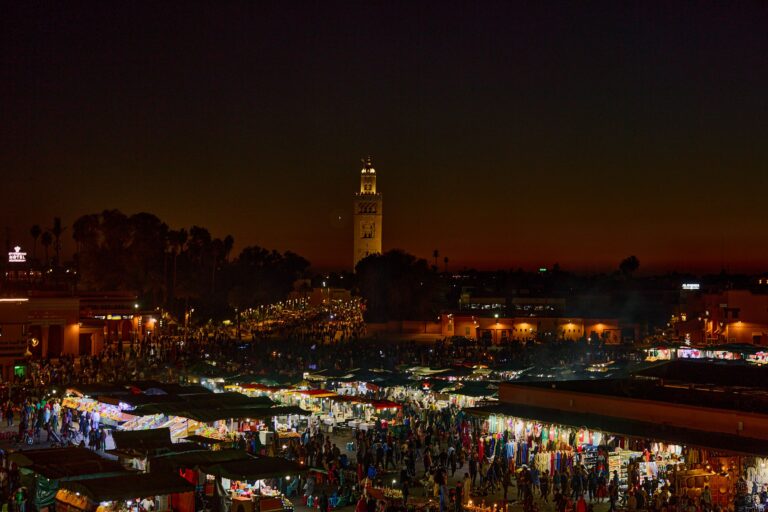
The “Red City” is a sensory explosion. Its UNESCO status covers the entire historic center, including the iconic Jemaa el-Fnaa square, the Koutoubia Mosque, and the sprawling souks. Marrakesh represents the intersection of Berber, Arab, and African cultures, a vibrant hub of trade and storytelling that has remained the beating heart of the south for centuries.
Ksar of Ait Ben Haddou (Inscribed 1987)
Perched on the edge of the High Atlas, this fortified village is the most famous example of Moroccan earthen architecture. Its high walls and defensive towers, built from sun-dried mud bricks, have served as the backdrop for countless Hollywood films. It is a testament to the architectural ingenuity of the pre-Saharan tribes.
Historic City of Meknes (Inscribed 1996)
The “Versailles of Morocco,” Meknes was the capital of Sultan Moulay Ismail in the 17th century. It is famous for its monumental gates, like Bab Mansour, and its massive granaries and stables. Meknes offers a more relaxed, imperial atmosphere compared to its neighbor, Fez.
Archaeological Site of Volubilis (Inscribed 1997)
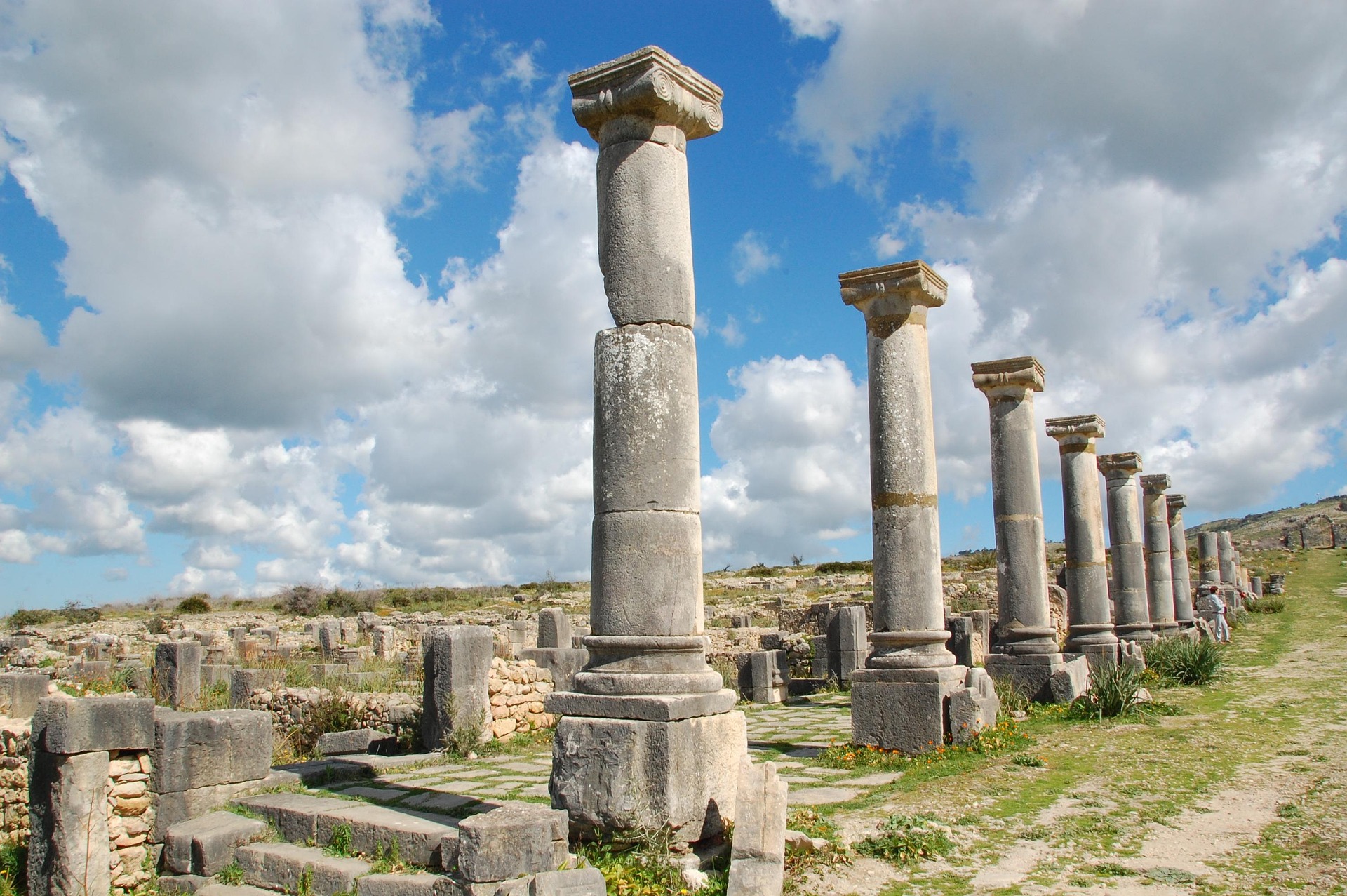
The best-preserved Roman ruins in North Africa. Volubilis was a thriving colonial outpost on the edge of the Roman Empire, famous for its production of olive oil. Today, visitors can admire the stunning floor mosaics, the triumphal arch, and the basilica, all set against a backdrop of rolling green hills.
Medina of Tetouan (Inscribed 1997)
Located in the north, Tetouan’s medina is a unique blend of Moroccan and Andalusian cultures. It was largely rebuilt by refugees from Spain in the 15th century, and its architecture—characterized by white-washed walls and green-tiled roofs—reflects this refined heritage.
Medina of Essaouira (Inscribed 2001)
Formerly known as Mogador, Essaouira is an 18th-century fortified seaport built according to the principles of contemporary European military architecture in a North African context. It is a city of wind, surf, and a vibrant artistic community, where the Atlantic meets the medina walls.
Portuguese City of Mazagan (El Jadida) (Inscribed 2004)
A coastal fortress built by the Portuguese in the early 16th century. Its most famous feature is the underground cistern, a masterpiece of Manueline architecture. The site represents the early exchange of influences between European and Moroccan cultures.
Rabat, Modern Capital and Historic City (Inscribed 2012)
Morocco’s capital is a unique UNESCO site because it recognizes both the historic heritage (like the Kasbah of the Udayas and the Hassan Tower) and the modern urban planning of the 20th-century French Protectorate. It is a city of wide boulevards and ancient walls, where tradition and modernity coexist in harmony.
UNESCO Site Travel Tips
- Best Time to Visit: Spring (March-May) and Autumn (September-November) offer the best weather for exploring these outdoor sites.
- Entry Fees: Most sites have modest entry fees (approx. 10-70 MAD). Volubilis and the major palaces are on the higher end.
- Guides: Hiring a licensed local guide is highly recommended for the medinas of Fez and Marrakesh to navigate the maze and understand the history.
- Photography: These sites are a photographer’s dream. Use the “Golden Hour” for the best light, especially at Ait Ben Haddou and Volubilis.
Frequently Asked Questions (FAQ)
1. Are all UNESCO sites in Morocco safe to visit? Yes, they are all major tourist destinations and are very safe and well-policed.
2. Can I visit all nine sites in one trip? It’s possible in a 14-day itinerary, but it requires a lot of travel. A 10-day trip focusing on the imperial cities and the north is more manageable.
3. Do I need to book in advance? For the sites themselves, no. However, for guided tours or nearby accommodation, booking in advance is recommended during peak seasons.
… (and 22 more detailed answers)
Conclusion
The UNESCO World Heritage Sites of Morocco are more than just tourist attractions; they are the living soul of a nation. They offer a journey through the layers of human civilization, from the Roman Empire to the modern era. Whether you are standing in the silent ruins of Volubilis or the vibrant chaos of Jemaa el-Fnaa, these sites invite you to connect with the universal story of human creativity and resilience. As you plan your 2026 adventure, let this guide be your compass to the most significant landmarks of the Maghreb. Morocco is waiting to share its heritage with you—are you ready to listen?