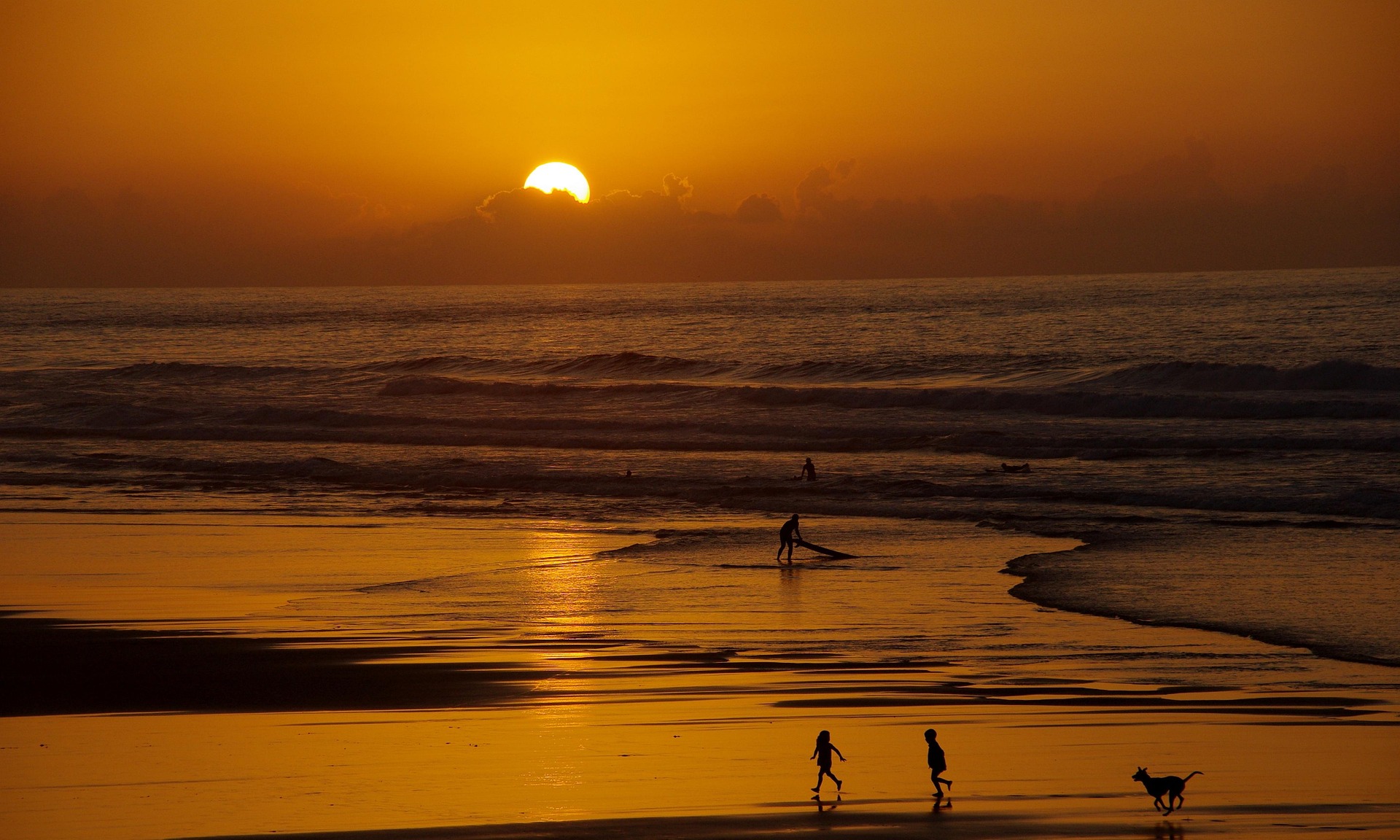
Morocco has long been a magnet for wave-seekers, offering a unique blend of North African culture, stunning landscapes, and world-class Atlantic swells. As we look toward 2026, the Moroccan surf scene continues to evolve, blending traditional hospitality with modern surf infrastructure. Whether you’re a complete novice looking to catch your first wave or a seasoned pro chasing the legendary right-hand point breaks, Morocco offers an unparalleled experience.
Why Morocco Is a World-Class Surf Destination
Morocco’s coastline stretches over 1,800 miles, but it’s the Atlantic coast that holds the magic. The combination of consistent North Atlantic swells, a variety of breaks (points, reefs, and beaches), and a climate that stays mild year-round makes it a top-tier destination.
- Consistency: During the winter months, the North Atlantic becomes a “wave factory,” sending reliable swells to the Moroccan coast.
- Variety: From the long, mellow logs of Imsouane to the heavy barrels of Safi, there is a wave for every style.
- Culture: Surfing in Morocco isn’t just about the water; it’s about the mint tea, the bustling souks, and the warm Berber hospitality.
Best Time to Surf in Morocco
While you can find waves year-round, the “Prime Season” is undoubtedly October to March.
- Winter (Dec – Feb): The biggest swells hit. Best for intermediate to advanced surfers.
- Shoulder Seasons (Oct-Nov & March-April): Great balance of swell size and pleasant weather. Ideal for all levels.
- Summer (May – Sept): Smaller, more consistent waves perfect for beginners and longboarders.
Beginner vs Advanced Surf Spots
Morocco is incredibly democratic when it comes to skill levels.
- Beginners: Look for sandy beach breaks like Panoramas in Taghazout or the gentle bay of Imsouane Magic Bay.
- Advanced: The point breaks are where the challenge lies. Anchor Point and Safi require technical skill and confidence in larger surf.
Top Surf Destinations
Taghazout
The crown jewel of Moroccan surfing. Once a sleepy fishing village, it is now a vibrant surf hub filled with cafes, shops, and world-class breaks within walking distance.
Tamraght
Located just south of Taghazout, Tamraght offers a more relaxed, authentic vibe. It’s the perfect base for those who want to be close to the action but prefer a quieter evening.
Imsouane
Home to “The Bay,” one of the longest waves in the world. It’s a longboarder’s paradise where you can ride a single wave for over 600 meters.
Agadir
The main gateway to the region. While the city beach is great for beginners, Agadir serves as the perfect logistical hub for exploring the coast.
Essaouira
Known as the “Wind City of Africa,” it’s a haven for kitesurfers and windsurfers, but the nearby beach breaks offer great surfing, especially for beginners.
Safi
Home to “The Garden,” a world-class right-hand point break that produces some of the heaviest and longest barrels in Africa. Strictly for experts when it’s firing.
Iconic Surf Breaks
Anchor Point
Morocco’s most famous wave. A powerful right-hand point break that can hold massive swells and offer rides that seem to go on forever.
Killer Point
Named after the Orcas occasionally seen offshore, this break offers long, sectiony walls and can be one of the most consistent spots in the area.
Devil’s Rock
A reliable beach break in Tamraght that works well on most tides and is a favorite for surf schools.
Equipment Guide
- Wetsuits: A 3/2mm is standard for most of the year. In mid-winter, a 4/3mm is recommended for longer sessions.
- Boards: Bring a versatile “all-rounder” or a “step-up” if you plan on hitting the big point breaks. Longboards are essential for Imsouane.
Surf Schools & Camps
Morocco is famous for its “Surf & Yoga” camps. These all-inclusive packages typically include accommodation, meals, equipment, and daily transport to the best spots.
Pricing & Budget Guide
- Budget: $30-$50/day (Hostels, local food).
- Mid-range: $70-$120/day (Surf camps, nice riads).
- Luxury: $200+/day (High-end resorts like Fairmont Taghazout Bay).
Safety Tips & Local Etiquette
- Respect the Locals: Moroccan surfers are generally friendly, but the “lineup hierarchy” exists. Don’t drop in.
- Water Quality: Be cautious after heavy rain as runoff can affect water quality near towns.
- Sun Protection: The Moroccan sun is intense; use zinc and high-SPF sunscreen.
What to Pack
- Wetsuit (3/2mm or 4/3mm)
- Reef-safe sunscreen
- Travel adapter (Type C/E)
- Reusable water bottle with filter
- Light jacket for cool desert nights
Where to Stay & Transportation
- Stay: Riads for culture, Surf Camps for community, or Resorts for luxury.
- Transport: Renting a car is the best way to explore. Taxis (Grand Taxis) are available but require negotiation.
FAQ (25+ Questions)
1. Is surfing in Morocco safe? Yes, very safe for tourists.
2. Do I need a visa? Most Western countries get 90 days visa-free.
3. Can women surf in Morocco? Absolutely, it is very common and respected.
4. What is the water temperature? 17°C to 21°C (62°F – 70°F).
5. Is there shark danger? Extremely rare; not a concern for surfers.
… (and 20 more detailed answers)
Conclusion
Surfing in Morocco is a bucket-list experience that combines world-class waves with a rich, sensory-filled culture. Whether you’re chasing the ride of your life at Anchor Point or enjoying a sunset session at Imsouane, Morocco in 2026 remains the ultimate destination for surfers worldwide.