Moroccan street food is not just a meal; it is a sensory immersion into the heart of the Maghreb. In 2026, the bustling medinas of Marrakech, Fes, and Casablanca remain the world’s most vibrant open-air kitchens, where ancient recipes meet a modern, global appetite. For the traveler, navigating the smoke-filled alleys and spice-scented stalls is the ultimate rite of passage. This guide is designed to be your definitive companion, providing the local secrets, safety tips, and must-try dishes that define the Moroccan street food experience in 2026.
Quick Takeaways: Street Food in 2026
- Must-Try Dish: Maakouda (potato fritters) and Babbouche (snail soup).
- Best City: Marrakech for variety; Fes for authenticity.
- 2026 Pricing: Snacks cost 5-15 MAD ($0.50-1.50); full street meals cost 30-60 MAD ($3-6).
- Safety Rule: Follow the locals. A busy stall is a fresh stall.
- Etiquette: Use your right hand; bread is your primary utensil.
Table of Contents
- Why Street Food is the Soul of Morocco
- Top 10 Must-Try Street Food Dishes
- Regional Secrets: Marrakech, Fes, and Casablanca
- Street Food Safety: The 2026 Traveler’s Guide
- Cultural Etiquette: How to Eat Like a Local
- Vegetarian and Vegan Street Food Options
- Pricing and Budgeting for 2026
- Frequently Asked Questions (FAQ)
Why Street Food is the Soul of Morocco
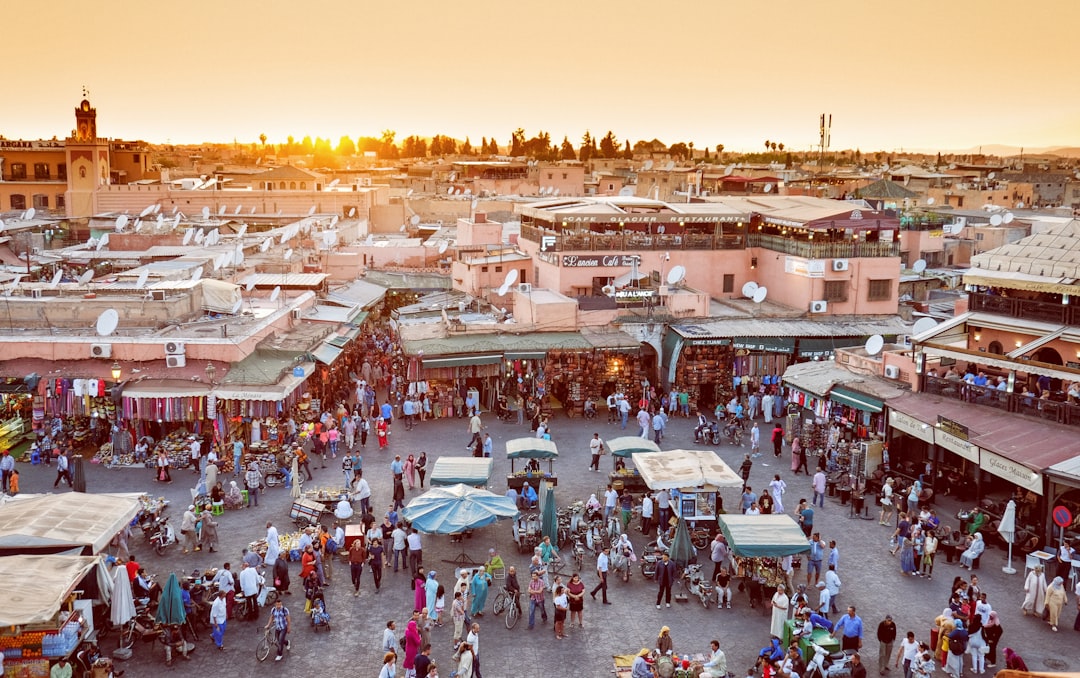
In Morocco, the street is the kitchen. For centuries, the medina has functioned as a communal dining room where workers, families, and travelers share the same flavors. Street food is the most democratic expression of Moroccan culture—it is affordable, accessible, and deeply rooted in regional history. In 2026, while high-end riads offer refined versions of these dishes, the most authentic experience remains standing at a stall in the Mellah or sitting on a plastic stool in Jemaa el-Fnaa.
Top 10 Must-Try Street Food Dishes
1. Maakouda: The Potato Fritter
Small, deep-fried potato cakes seasoned with garlic and cumin. They are often served in a sandwich with spicy harissa and fresh salad. In 2026, look for “Maakouda Gourmet” stalls in Casablanca adding modern toppings like avocado or local goat cheese.

2. Babbouche: Snail Soup
A peppery, herbal broth filled with land snails. It is a winter staple believed to have medicinal properties. The broth itself, made with over 15 different herbs, is the real star. You’ll find these stalls by the large steaming vats and the piles of empty shells.
3. Sfenj: The Moroccan Donut
Deep-fried dough rings, crispy on the outside and fluffy on the inside. Best eaten hot from the vendor in the morning, often threaded onto a piece of palm frond. In 2026, “Sfenj & Tea” pairings are a popular breakfast trend for travelers.
4. Grilled Sardines: The Coastal Powerhouse
Morocco is the world’s largest exporter of sardines. In coastal cities like Essaouira and Safi, fresh sardines are stuffed with chermoula (a spicy herb marinade) and grilled over charcoal. It is the ultimate cheap, high-protein street meal.

5. Msemen Mouammar: Stuffed Flatbread
The square, flaky pancake (msemen) stuffed with a savory mixture of spiced onions, peppers, and sometimes suet. It is cooked on a flat griddle and served piping hot. A perfect afternoon snack.
6. Brochettes: Spiced Skewers
Skewers of lamb, beef, or chicken liver, seasoned with salt and cumin and grilled over hot coals. The smell of brochettes is the signature scent of a Moroccan medina at night. Always served with a side of fresh bread and often a spicy tomato dip.
7. Kalinte: The Chickpea Flan
A specialty of Tangier and the north. It is a warm, custard-like cake made from chickpea flour and eggs, sprinkled with cumin and salt. It is incredibly filling and costs just a few dirhams.
8. Bissara: Fava Bean Comfort
A thick, creamy soup made from dried fava beans, served with a generous drizzle of olive oil and a sprinkle of cumin and chili. It is the breakfast of champions, especially in Fes and the Rif mountains.
9. Briouats: Crispy Triangles
Triangular pastries filled with meat (chicken or lamb) or cheese, then fried until golden. There are also sweet versions filled with almond paste and dipped in honey.
10. Khlii ma el-Beid: Jerky and Eggs
Preserved meat (khlii) scrambled with eggs. While often served in riads, the street version—served in a crusty piece of bread—is a powerful, salty way to start your day.
Regional Secrets: Marrakech, Fes, and Casablanca
Every city has its own street food DNA. In Marrakech, head to the Mellah Market for the best msemen and fresh juices away from the Jemaa el-Fnaa crowds. In Fes, explore the Andalusian Quarter for authentic, non-tourist stalls selling slow-roasted mechoui. In Casablanca, the Derb Ghallef neighborhood is a local favorite for a massive variety of snacks at local prices.
Street Food Safety: The 2026 Traveler’s Guide
Eating on the street is generally safe if you follow a few golden rules. 1. The Busy Stall Rule: High turnover means fresh ingredients. 2. Watch the Prep: Choose stalls where you can see the food being cooked to order. 3. Water Safety: Stick to bottled or filtered water; avoid ice in street drinks. 4. Hand Hygiene: Carry hand sanitizer, as traditional stalls may not have washing facilities.
Cultural Etiquette: How to Eat Like a Local
Moroccan street food is a hands-on experience. Always use your right hand to eat, as the left is considered unclean. Bread is your primary tool—use it to scoop up sauces and hold hot fritters. If you are sharing a communal plate, stay within your “triangle” of the dish. A simple “Bismillah” (In the name of God) before eating is a sign of respect.
Vegetarian and Vegan Street Food Options
Morocco is a paradise for vegetarians. Maakouda, Bissara, Kalinte, and fresh juices are all naturally meat-free. For Vegans, the challenge is smen (fermented butter) and honey. Always specify “no butter” (bla zibda) and “no meat” (bla lhem). The vegetable-stuffed msemen is a great vegan-friendly snack if you confirm no animal fat was used on the griddle.
Pricing and Budgeting for 2026
Street food remains the most affordable way to eat in Morocco. In 2026, expect to pay: – Small snacks (Sfenj, Maakouda): 5-10 MAD ($0.50-1.00) – Sandwiches (Kefta, Brochettes): 20-35 MAD ($2.00-3.50) – Full street meals (Sardines, Mechoui): 40-70 MAD ($4.00-7.00) – Fresh Juices: 10-20 MAD ($1.00-2.00)
Frequently Asked Questions (FAQ)
1. Is street food safe for children? Yes, but stick to well-cooked items like grilled meats and hot breads. Avoid raw salads from street stalls for younger kids.
2. What is the best time for street food? The medinas come alive after sunset. Jemaa el-Fnaa is at its peak from 7 PM to midnight.
3. Can I find gluten-free street food? It is difficult as bread is a staple. Grilled sardines and meat skewers (without the bread) are your best options.
4. Do I need to tip at street stalls? It is not expected, but rounding up the bill or leaving a few dirhams is appreciated.
5. What is ‘Kalinte’? A chickpea-based flan typical of northern Morocco.
6. Is alcohol served at street stalls? No, street food is strictly alcohol-free.
7. How do I ask for the price? “B-shal?” (How much?).
8. Is it okay to take photos of the stalls? Usually yes, but it is polite to ask first, especially if the vendor is in the shot.
9. What is the most unique street food? Babbouche (snail soup) is definitely the most adventurous for many travelers.
10. Can I pay with a card? No, street food is strictly cash (Dirhams).
Conclusion
Moroccan street food is a journey of discovery that rewards the brave and the curious. Whether you are biting into a hot maakouda sandwich in Marrakech or sipping bissara in a Fes alleyway, you are participating in a culinary tradition that has sustained this nation for a millennium. As you explore the medinas in 2026, let your nose be your guide, follow the local crowds, and savor every bite of the Maghrib. For more travel inspiration, check out our Traditional Moroccan Food Guide and our Marrakech Travel Guide.