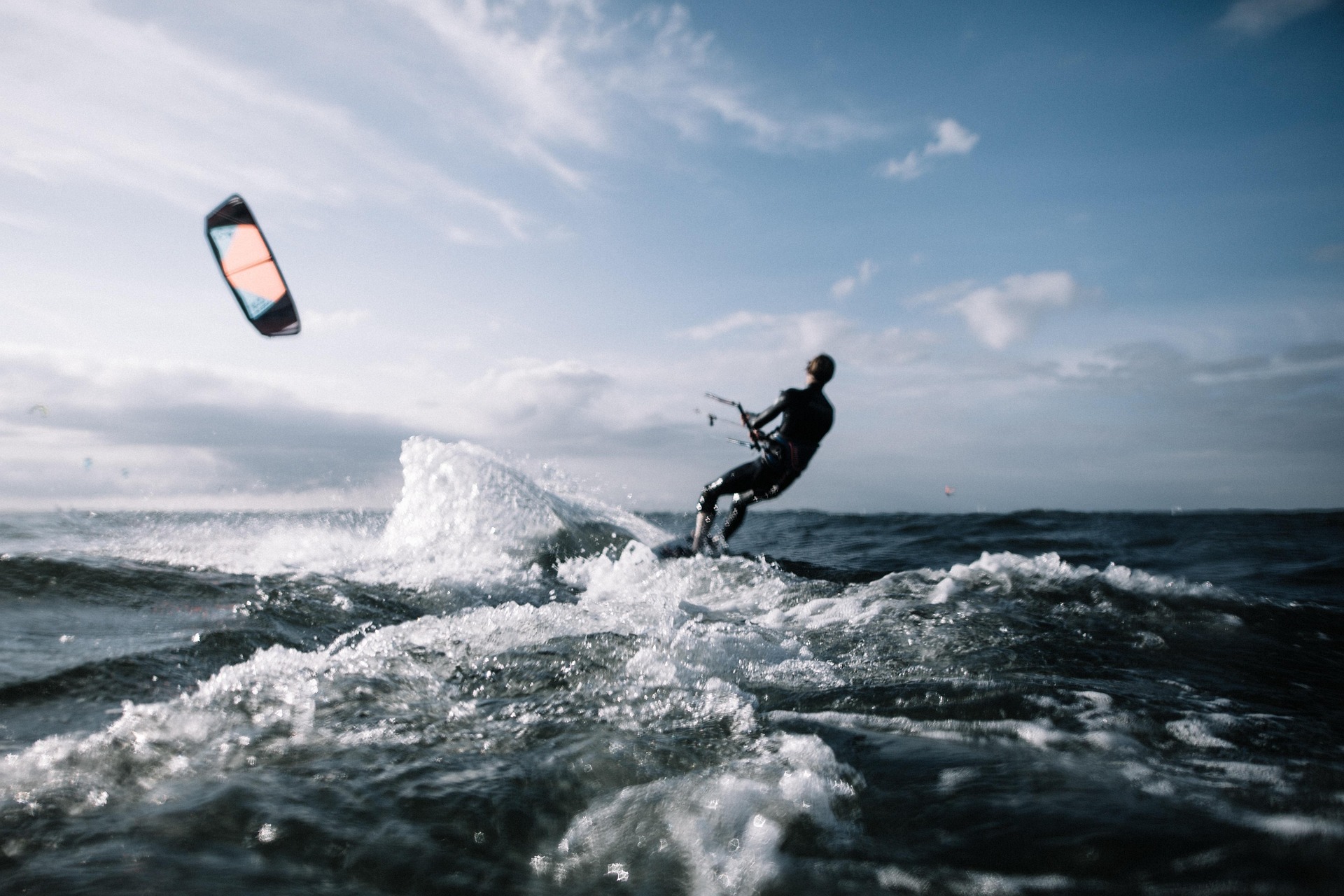
Morocco is not just a destination; it’s a pilgrimage for surfers. With over 1,800 miles of Atlantic coastline, this North African kingdom has established itself as one of the premier surfing hubs on the planet. From the legendary long point breaks of Taghazout to the mystical, endless waves of Imsouane, Morocco offers a variety of surf experiences that cater to everyone from absolute beginners to seasoned professionals. As we look toward 2026, the Moroccan surf scene is more vibrant than ever, blending traditional Berber hospitality with world-class infrastructure and a growing commitment to sustainable coastal tourism.
Table of Contents
- Why Morocco is a World-Class Surf Destination
- Best Surf Spots in Morocco
- Best Time to Surf: Seasons & Swells
- Beginner vs. Advanced Beaches
- Logistics: Schools, Camps & Equipment
- Travel Tips: Costs, Safety & Packing
- Frequently Asked Questions (FAQ)
Why Morocco is a World-Class Surf Destination
What sets Morocco apart from other surf destinations like Portugal or Indonesia? It’s the combination of consistency, variety, and culture. The Moroccan coast is perfectly positioned to receive the powerful North Atlantic swells that travel thousands of miles before hitting the African shelf. These swells are groomed into perfect lines by the prevailing offshore winds, creating some of the longest right-hand point breaks in the world.
Beyond the waves, Morocco offers a sensory experience that is unmatched. Imagine finishing a sunset session at Anchor Point and walking straight into a village filled with the aroma of slow-cooked lamb tagine and fresh mint tea. The “surf-eat-sleep-repeat” lifestyle here is infused with a deep sense of history and community. In 2026, the development of eco-friendly surf resorts and improved coastal roads has made reaching even the most remote breaks easier while preserving the rugged beauty of the coastline.
Best Surf Spots in Morocco
Taghazout: The Surfing Epicenter
Taghazout is the heart and soul of Moroccan surfing. Once a quiet fishing village, it is now a global hub for the surf community. The village itself is a maze of blue-and-white buildings perched on the edge of the Atlantic.
- Anchor Point: The most famous wave in Morocco. A world-class right-hand point break that can hold massive swells and offer rides of up to 500 meters. Best for intermediate to advanced surfers.
- Killer Point: Named after the Orcas that are occasionally spotted here, this break offers powerful, hollow sections. It’s a long paddle out, but the reward is one of the most consistent waves in the region.
- Panoramas: A more forgiving right-hand break located right in front of the village. Great for intermediates and longboarders.
Tamraght: The Laid-Back Alternative
Just a few kilometers south of Taghazout, Tamraght offers a quieter, more residential vibe. It’s home to many of the region’s best surf camps and provides easy access to “Banana Point” and “Devil’s Rock,” both of which are excellent for beginners and those looking to improve their skills.
Imsouane: The Magic Bay
Imsouane is home to “The Bay,” a wave that is often cited as one of the longest in the world. On a good day, you can ride a wave for over two minutes, covering nearly a kilometer. It is a longboarder’s dream—mellow, peeling, and incredibly consistent. The village remains a traditional fishing port, where you can buy fresh fish directly from the boats for your post-surf lunch.
Dakhla: The Desert Frontier
Located in the far south where the Sahara meets the sea, Dakhla is world-renowned for kitesurfing, but its surf potential is a well-kept secret. Spots like “Foum Labouir” offer world-class waves with virtually no crowds. It’s a destination for the adventurous soul seeking solitude and raw natural beauty.
Best Time to Surf: Seasons & Swells
Morocco is a year-round destination, but the “Big Wave” season runs from October to March. This is when the North Atlantic is most active, sending consistent, powerful swells to the Moroccan coast. During these months, the point breaks come alive, and the water temperature hovers around 17-19°C (a 3/2mm or 4/3mm wetsuit is recommended).
Spring (April – June) offers smaller, more manageable swells, making it the perfect time for beginners and intermediates. Summer (July – September) is generally the smallest time for surf, but it’s great for learning and enjoying the vibrant coastal atmosphere, especially in spots like Essaouira where the wind provides relief from the heat.
Beginner vs. Advanced Beaches
One of Morocco’s greatest strengths is its accessibility. There is a wave for every level:
- Beginners: Head to Devil’s Rock (Tamraght), Magic Bay (Imsouane), or the main beach in Essaouira. These spots offer sandy bottoms and gentle whitewater or peeling waves.
- Intermediate: Banana Point, Panoramas, and Hash Point provide the perfect stepping stone to more challenging point breaks.
- Advanced: Anchor Point, Boilers (known for its vertical faces and shipwreck), and Killer Point will test your fitness and skill.
Logistics: Schools, Camps & Equipment
In 2026, the infrastructure for surfers in Morocco is world-class. You don’t need to bring your own board unless you are very particular. Rental shops in Taghazout and Imsouane offer the latest models from top brands. Surf camps are the most popular way to experience the coast, providing accommodation, meals, daily surf guiding, and lessons in one package.
Travel Tips: Costs, Safety & Packing
Costs: Morocco remains an affordable destination. A budget surf trip can cost as little as $40/day, while luxury eco-resorts can range from $150-$300/day. Safety: The Atlantic can be powerful; always surf within your limits and be aware of local currents. Packing: Don’t forget high-SPF zinc for your face, a good repair kit if you bring your own board, and modest clothing for when you are off the beach.
Frequently Asked Questions (FAQ)
1. Do I need a wetsuit in Morocco? Yes, even in summer. A 3/2mm is usually sufficient, but in winter, a 4/3mm is better for longer sessions.
2. Is Morocco safe for solo female surfers? Yes, the surf community is very welcoming. Standard travel precautions apply.
3. Can I rent a car to explore the coast? Absolutely. Renting a car with a roof rack is the best way to find uncrowded spots.
4. What is the best airport to fly into? Agadir (AGA) is the closest to the main surf hubs of Taghazout and Tamraght.
5. Are there sharks in Morocco? Shark sightings are extremely rare and not a concern for surfers here.
Conclusion
Surfing in Morocco is an experience that transcends the sport. It’s about the rhythm of the ocean, the warmth of the sun, and the incredible hospitality of the Moroccan people. Whether you are catching your first wave or charging the peaks of Anchor Point, Morocco in 2026 promises an adventure you will never forget. Pack your bags, wax your board, and get ready to discover the magic of the Maghreb.