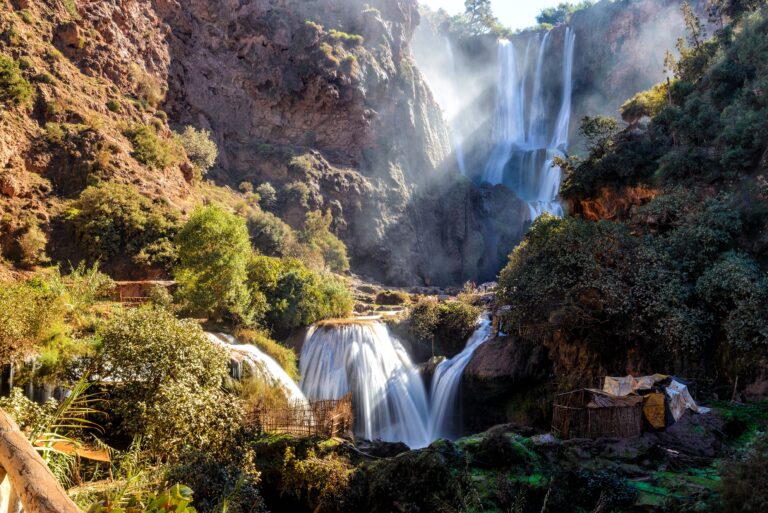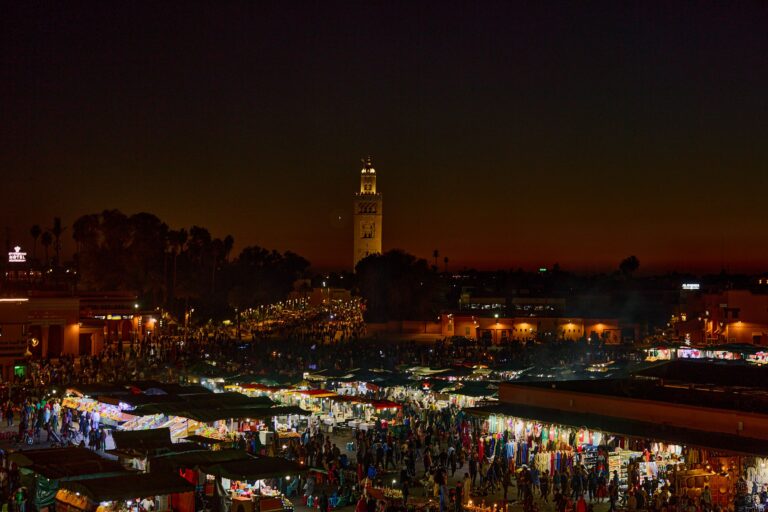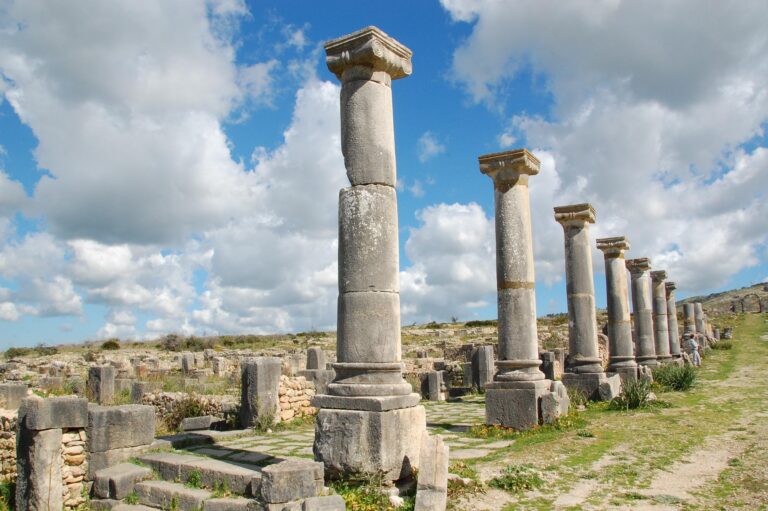
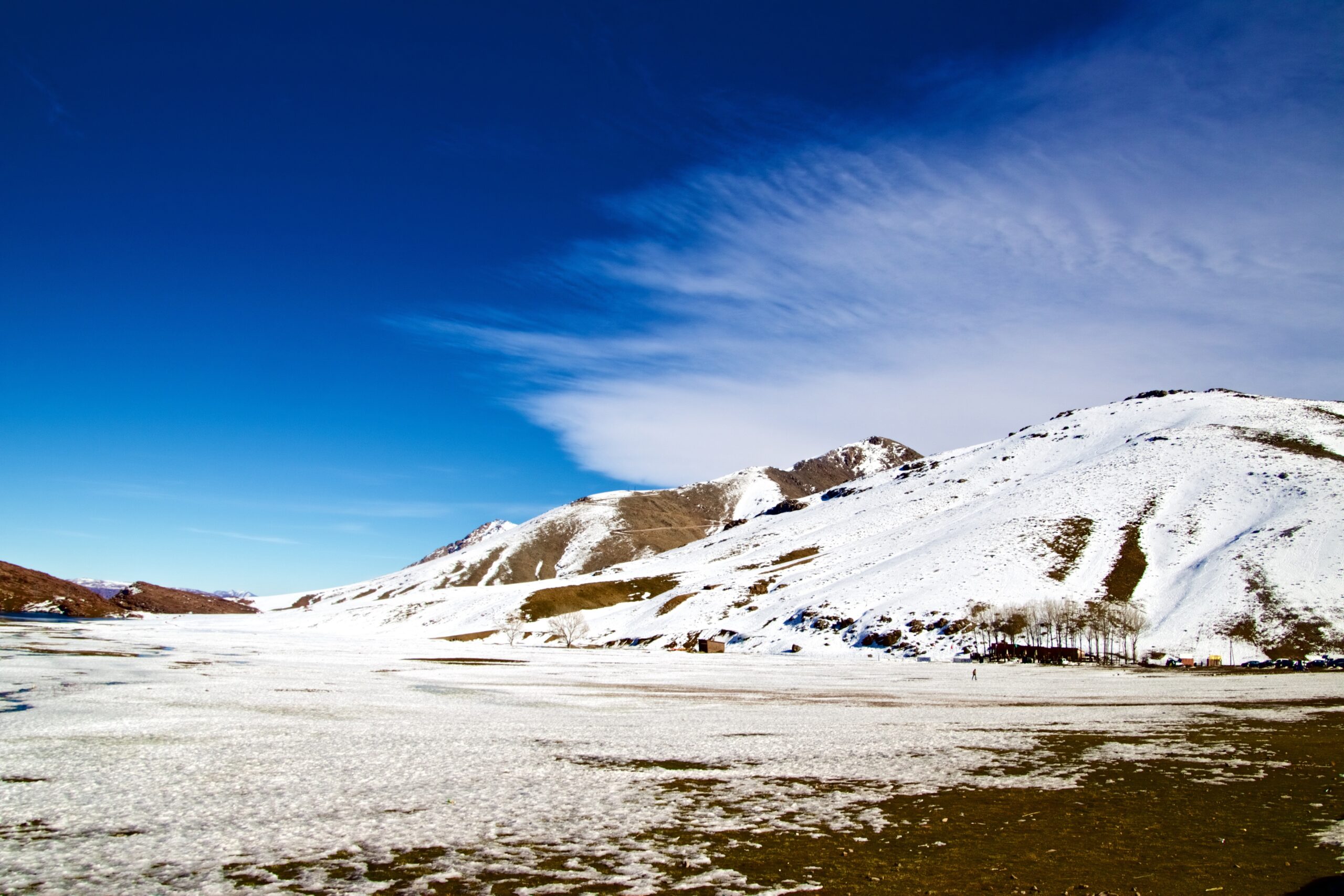
Morocco is a land of dramatic contrasts, where the snow-capped peaks of the High Atlas meet the golden dunes of the Sahara, and the rugged Rif Mountains overlook the Mediterranean. For hikers and trekkers, it offers one of the most diverse and rewarding landscapes on the planet. As we look toward 2026, Morocco has solidified its position as a premier global trekking destination, blending ancient Amazigh (Berber) culture with world-class trails and a growing commitment to sustainable tourism.
Table of Contents
- Why Hike in Morocco?
- Atlas Mountains Overview
- The High Atlas: The Roof of North Africa
- The Middle Atlas: Cedar Forests and Lakes
- The Anti-Atlas: Granite Peaks and Oases
- The Rif Mountains: The Blue Pearl’s Backdrop
- Sahara Hiking: The Art of the Desert Trek
- Best Hiking Destinations
- Multi-day Trekking Routes
- Difficulty Levels and Preparation
- Best Time to Hike & Weather
- The Ultimate Packing Checklist
- Safety Tips and Health
- Hiring Local Guides and Mules
- Costs and Budgeting
- Accommodation: Gites, Refuges, and Tents
- Responsible Tourism and Ethics
- Frequently Asked Questions (FAQ)
- Conclusion
Why Hike in Morocco?
Hiking in Morocco is not just about the physical challenge; it is a deep dive into a culture that has lived in harmony with these mountains for millennia. Unlike the highly commercialized trails of Europe or North America, Moroccan trekking offers a sense of raw adventure. You aren’t just walking through a landscape; you are walking through history. You will pass through remote villages where life follows the rhythm of the seasons, share mint tea with shepherds, and witness a level of hospitality that is legendary.
In 2026, the infrastructure for hikers has never been better. Improved trail marking in key areas, a professionalized network of mountain guides, and high-quality eco-lodges mean that you can experience the wildness of the mountains without sacrificing safety or essential comfort. Whether you are aiming for the summit of Mount Toubkal or a gentle stroll through the almond blossoms of the Anti-Atlas, Morocco delivers an unparalleled experience.
Atlas Mountains Overview
The Atlas Mountains are the backbone of Morocco, stretching over 2,500 kilometers across North Africa. They are divided into three distinct ranges, each offering a unique trekking environment.
The High Atlas: The Roof of North Africa
The High Atlas is the most famous and accessible range. It contains the highest peaks in North Africa, including Mount Toubkal (4,167m). The landscape is characterized by deep valleys, jagged limestone and granite peaks, and traditional stone-and-mud Berber villages clinging to the hillsides. This is the heart of Moroccan trekking, offering everything from day hikes to grueling multi-week expeditions.
The Middle Atlas: Cedar Forests and Lakes
Located to the north of the High Atlas, the Middle Atlas is a softer, greener landscape. It is home to vast forests of ancient Atlas Cedars, hidden lakes (dayets), and the Barbary macaque. The hiking here is generally less strenuous, focusing on forest trails and volcanic plateaus. It is particularly beautiful in the spring when the wildflowers are in bloom.
The Anti-Atlas: Granite Peaks and Oases
The Anti-Atlas is the southernmost range, bordering the Sahara. It is a land of stark, lunar-like beauty, characterized by massive granite boulders, hidden palm oases, and fortified granaries (agadirs). The hiking here is rugged and remote, perfect for those looking to escape the crowds of the High Atlas. The region around Tafraoute is a highlight, known for its “Painted Rocks” and almond blossoms.
Best Hiking Destinations
Mount Toubkal
The ultimate goal for many trekkers. Climbing Toubkal is a non-technical but physically demanding ascent. Most hikers take two days, staying at the Toubkal Refuge before a pre-dawn summit push. The reward is a 360-degree view that stretches from the Atlantic coast to the Sahara dunes.
Imlil
Known as the “Chamonix of Morocco,” Imlil is the primary gateway to the High Atlas. Even if you aren’t climbing Toubkal, Imlil offers fantastic day hikes to the village of Aroumd or the Mizane Valley. It is a vibrant hub of mountain culture and the best place to hire guides and mules.
Aït Bouguemez (The Happy Valley)
This lush, high-altitude valley is one of the most beautiful and traditional areas in the High Atlas. It is the starting point for treks to Mount Mgoun and offers a peaceful, agricultural landscape that feels worlds away from the bustle of Marrakech.
Akchour and the Rif Mountains
Located near Chefchaouen, the Rif Mountains offer a greener, more Mediterranean hiking experience. The trek to the Akchour Waterfalls and “God’s Bridge” is a must-do, featuring crystal-clear pools and dramatic limestone arches.
Multi-day Trekking Routes
For those seeking a deeper immersion, Morocco offers world-class multi-day routes:
- The Toubkal Circuit (7-10 days): A comprehensive loop that takes you through remote valleys and over high passes, offering a much more complete experience than the standard summit trek.
- Mgoun Massif (5-6 days): A wilder alternative to Toubkal, featuring dramatic ridge walks and river trekking through the Mgoun Gorges.
- Sirwa Massif (6-7 days): A volcanic range between the High and Anti-Atlas, known for its saffron cultivation and unique rock formations.
- The Trans-Atlas (3-4 weeks): The ultimate challenge, crossing the entire range from west to east.
Best Time to Hike & Weather
Timing is everything when hiking in Morocco. The “best” time depends entirely on the altitude and region.
- Spring (March – May): The golden window. Wildflowers are in bloom, the valleys are lush, and temperatures are mild. Ideal for the High Atlas (lower elevations) and the Anti-Atlas.
- Summer (June – August): The best time for high-altitude trekking (3,000m+). While the cities are scorching, the high peaks are pleasantly cool. Avoid the Sahara and lower valleys.
- Autumn (September – October): Another excellent window. The air is clear, and the summer heat has faded. Great for all mountain ranges.
- Winter (November – February): The time for desert hiking in the Sahara or the Anti-Atlas. The High Atlas is covered in snow, requiring crampons, ice axes, and winter mountaineering experience.
The Ultimate Packing Checklist
Layering is the key to comfort in the Moroccan mountains, where temperatures can swing 20 degrees between day and night.
- Footwear: Broken-in hiking boots with good ankle support. Lightweight sandals for the evenings.
- Clothing: Moisture-wicking base layers, a warm fleece or down jacket, and a waterproof/windproof shell.
- Sun Protection: High-SPF sunscreen, polarized sunglasses, and a wide-brimmed hat. The sun at altitude is intense.
- Hydration: At least 2-3 liters of water capacity. A filtration system (like a LifeStraw or Grayl) is essential to reduce plastic waste.
- Gear: A 30-40L daypack, trekking poles (highly recommended for descents), and a headlamp with extra batteries.
Frequently Asked Questions (FAQ)
1. Do I need a guide to hike Mount Toubkal?
Yes. Since 2019, it is mandatory for all foreign hikers to be accompanied by a licensed local guide for the Toubkal ascent. This is for safety and to support the local economy.
2. Is hiking in Morocco safe for solo women?
Generally, yes. However, it is highly recommended to join a group or hire a guide. In the mountains, you will find the locals to be very respectful and protective of travelers.
3. Can I drink the water from mountain streams?
No. Always treat or filter water from streams, as livestock often graze upstream. Bottled water is available in villages but creates significant plastic waste.
4. How much should I tip my guide and muleteer?
Tipping is an important part of the culture. A standard tip is around 100-150 MAD per day for a guide and 50-100 MAD for a muleteer, shared among the group.
5. What is a ‘Gite d’Etape’?
It is a traditional Berber guesthouse. They offer simple, clean accommodation, often with shared bathrooms and delicious home-cooked meals (tagines and couscous).
Conclusion
Hiking in Morocco is a transformative experience that stays with you long after the dust has settled on your boots. It is a journey through a landscape of epic proportions and a culture of profound warmth. Whether you are standing on the summit of Toubkal or watching the sunset over the Anti-Atlas, the mountains of Morocco offer a sense of perspective that is hard to find elsewhere. Start planning your 2026 adventure today, and let the High Atlas show you the true meaning of adventure. For more inspiration, check out our guides to the Best Places to Visit in Morocco and the Sahara Desert Guide.