
The Sahara Desert is one of the most mesmerizing landscapes on Earth, and experiencing it in Morocco is a bucket-list adventure for many travelers. Stretching endlessly with golden dunes, nomadic culture, and starry nights, the Moroccan Sahara offers an unforgettable journey into the wild. As travel trends evolve into 2026, the desert remains a timeless destination, blending traditional Berber hospitality with modern comfort and a growing focus on sustainable, eco-friendly tourism. This ultimate guide covers everything you need to know to plan the perfect Sahara Desert trip.
Where is the Sahara Desert in Morocco?
The Sahara Desert covers a vast portion of North Africa, but in Morocco, travelers primarily visit two main accessible regions: **Erg Chebbi** (near Merzouga) and **Erg Chigaga** (near Zagora or M’Hamid). These areas are located in the southeastern part of the country, near the Algerian border. Most tours start from either Marrakech or Fes, taking you through the dramatic Atlas Mountains and the lush Draa Valley before reaching the sands.
Best Sahara Desert Tours
Choosing the right tour is crucial. In 2026, eco-friendly and small-group tours are highly recommended to minimize environmental impact. The classic route is a 3-day/2-night tour from Marrakech to Merzouga, which allows enough time to see the highlights like Ait Benhaddou and the Todra Gorge without feeling rushed. For a deeper experience, consider a 4-day tour that ends in Fes, or a private 4×4 expedition into the more remote Erg Chigaga.
Merzouga vs Zagora: Which Should You Choose?
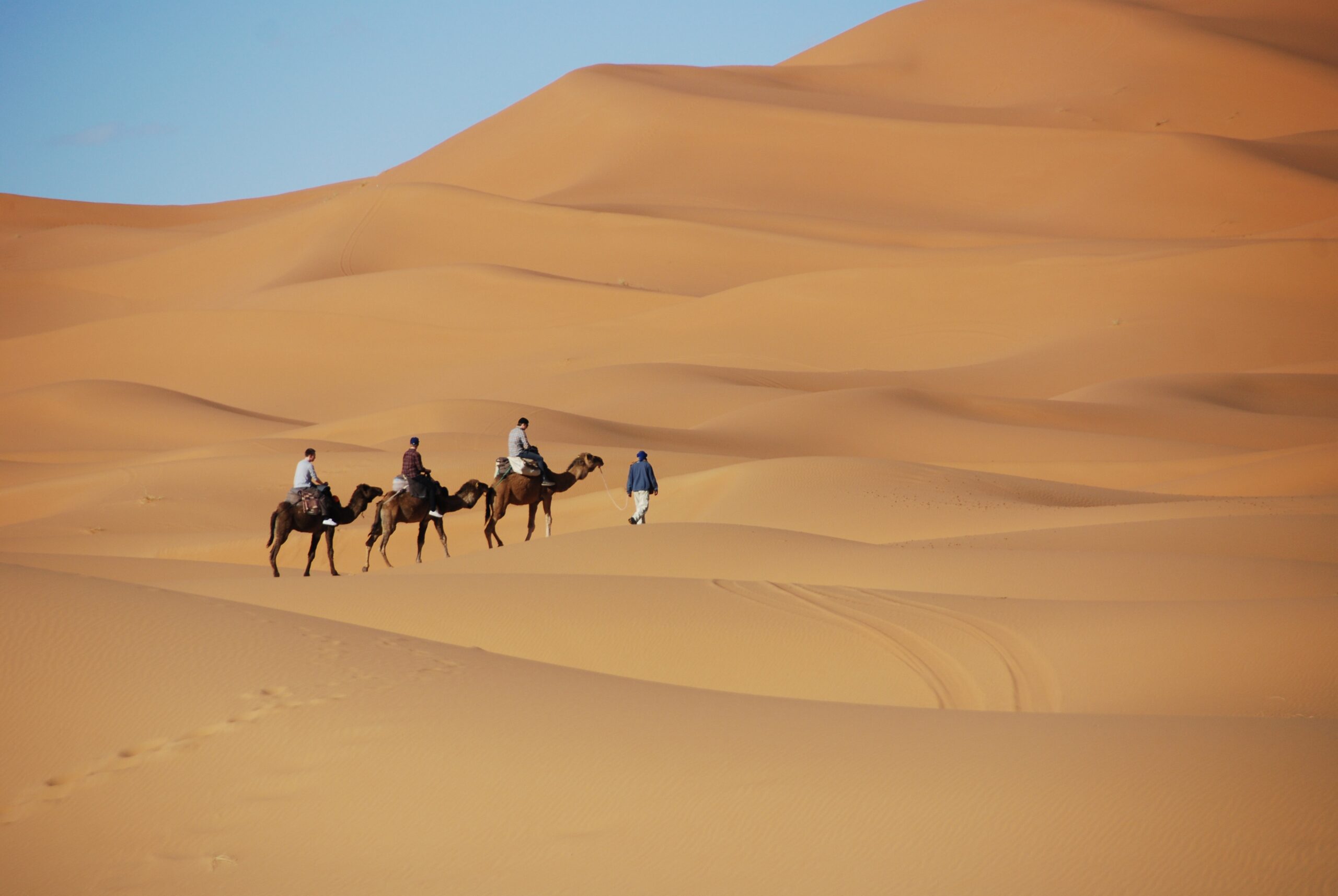
Merzouga (Erg Chebbi): Known for its towering, classic golden dunes that can reach up to 150 meters high. It’s further from Marrakech (about a 9-10 hour drive) but offers the quintessential “Lawrence of Arabia” desert experience. Highly recommended if you have 3 or more days.
Zagora: Closer to Marrakech (about a 7-hour drive), making it possible for a 2-day/1-night trip. However, Zagora is more of a rocky, flat desert with smaller dunes. It’s great if you are short on time, but it won’t provide the massive sand dunes experience of Merzouga.
Camel Trekking Experience
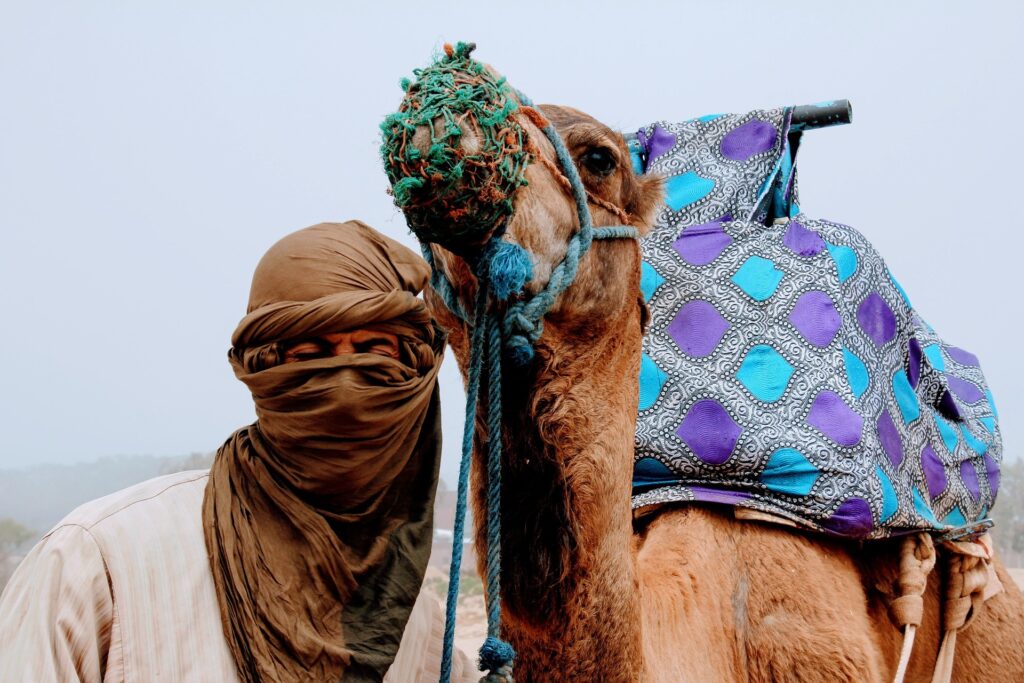
A camel trek into the desert is the highlight of the trip. You’ll typically ride for 1 to 2 hours into your camp just before sunset. The rhythmic swaying of the camel and the utter silence of the dunes create a meditative experience. Insider Tip for 2026: Ensure your tour operator follows ethical animal welfare guidelines. If you prefer not to ride, many camps now offer 4×4 transfers or quad biking as alternatives.
Luxury Desert Camps vs Budget Camps
Luxury Camps: In 2026, “glamping” in the Sahara has reached new heights. Luxury camps offer spacious tents with proper beds, en-suite bathrooms, hot showers, and gourmet Moroccan dining. Many now feature eco-friendly solar power and sustainable water management systems. It’s perfect for honeymooners or those who want comfort in the wilderness.
Budget/Standard Camps: These offer a more authentic, rugged experience. You’ll sleep on mattresses on the floor in shared tents and use communal bathrooms. It’s a fantastic way to bond with fellow travelers and local guides over a campfire, sharing stories and traditional Gnaoua music.
Watching the Sunrise & Sunset
The Sahara is all about the light. The dunes shift from pale yellow to deep orange and fiery red as the sun moves. Waking up early (often before 6 AM) to climb the highest dune near your camp for sunrise is non-negotiable. The crisp morning air and the first rays of light hitting the sand are truly magical.
Stargazing in the Sahara
With zero light pollution, the Sahara offers some of the best stargazing in the world. On a clear, moonless night, the Milky Way is vividly visible. Many luxury camps now provide telescopes and even guided astronomy sessions, but simply lying back on a dune and looking up is an awe-inspiring experience.
Sandboarding Adventure
If you’re looking for a thrill, grab a sandboard from your camp. Hiking up a 100-meter dune is exhausting, but sliding down is exhilarating. It’s like snowboarding, but warmer and slower. It’s a fun activity for all ages and a great workout!
What to Pack
- Layers: The desert is scorching in the day but freezing at night. Bring a warm jacket for the evenings.
- Scarf/Turban: Essential for protecting your face from sand and sun. Your guide can teach you how to tie it properly.
- Comfortable Shoes: Sneakers or hiking boots. Sandals will fill with sand immediately.
- Wet Wipes & Hand Sanitizer: Water is scarce, especially in budget camps.
- Power Bank: While luxury camps have electricity, it’s best to be prepared.
Best Time to Visit
The best time to visit the Sahara is during **Spring (March to May)** and **Autumn (September to November)**. The weather is pleasant during the day and cool at night. Summer (June to August) is dangerously hot, with temperatures exceeding 45°C (113°F), and many camps close. Winter (December to February) has nice days but freezing nights.
Safety Tips
The Sahara is safe, but it demands respect. Always stick with your guide; it is incredibly easy to get lost in the dunes. Drink plenty of bottled water (at least 3 liters a day) to prevent dehydration. If you wear contact lenses, switch to glasses, as the blowing sand can cause severe eye irritation. Be mindful of the sun and use high-SPF sunscreen.
Costs & Budget Guide
A standard 3-day group tour from Marrakech typically costs around **$100 – $150 USD** per person. A private or luxury tour will range from **$300 to $600+ USD**. This usually includes transport, camel rides, accommodation, and half-board (breakfast and dinner). Lunches and tips are extra. In 2026, expect slightly higher prices for eco-certified tours that support local conservation efforts.
Frequently Asked Questions
1. Is it safe to travel to the Sahara?
Yes, guided tours are very safe. The main risks are dehydration and sunburn.
2. Can I go to the desert without a guide?
You can drive to towns like Merzouga independently, but you must hire a local guide to take you into the actual dunes.
3. Are there snakes and scorpions?
They exist, but they avoid human activity. You are highly unlikely to see them, especially in the cooler months.
4. Is there cell service in the desert?
Coverage is spotty. Some high dunes might catch a signal, but generally, expect to be disconnected.
5. Can children go on a desert tour?
Yes, but the long drives can be tough on young kids. Private tours with flexible stops are better for families.
6. What about bathrooms?
Luxury camps have flush toilets. Budget camps have shared facilities, and if you’re wild camping, nature is your bathroom.
7. How much should I tip?
Tipping is expected. Plan to tip your driver around 100 MAD ($10) per day and your camel guide 50-100 MAD.
8. Is the food safe to eat?
Yes, the tagines and couscous prepared in the camps are cooked thoroughly and are generally very safe and delicious.
Conclusion
A journey into the Sahara Desert is more than just a vacation; it’s an encounter with the sublime. The vastness of the dunes and the warmth of the Berber culture will leave a lasting impression. Whether you choose the rugged simplicity of a budget camp or the opulence of a luxury tent, the magic of the Moroccan sands awaits. Start planning your adventure today and check out our guides to the Best Places to Visit in Morocco, the Top 15 Things to Do in Marrakech, and our Complete Guide to Chefchaouen to build your perfect Moroccan itinerary.